Resources
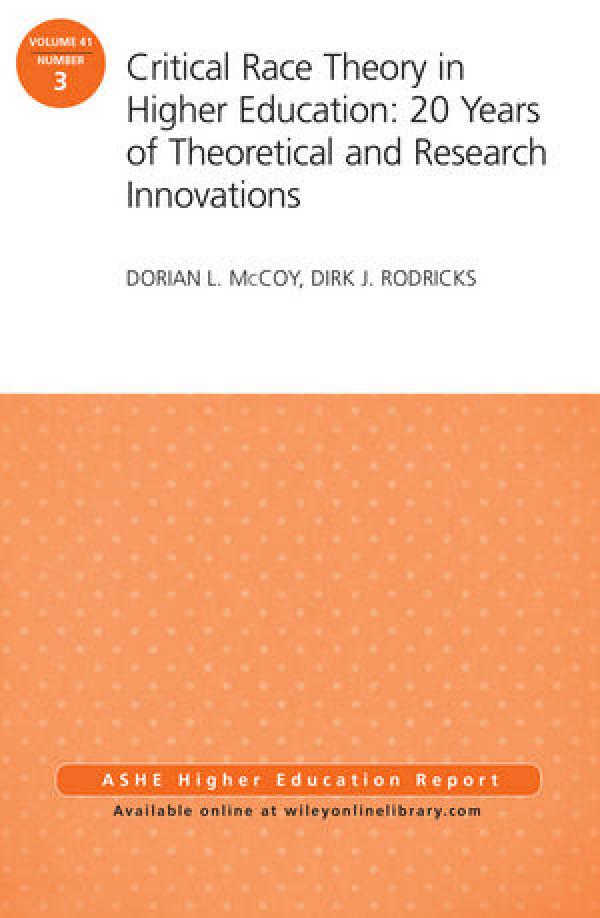
">Click Here for Book Review Abstract: Critical race theory (CRT) was introduced in 1995 and for almost twenty years, the theory has been used as a tool to examine People of Color’s experiences with racism in higher education. This monograph reviews the critical race literature with a focus on race and racism’s continued role and presence in higher education, including: • legal studies and history, • methodology and student development theory, • the use of storytelling and counterstories, and • the types of and research on microaggressions. The goal of the editors is to illuminate CRT as a theoretical framework, analytical tool, and research methodology in higher education. As part of critical race theory, scholars and educators are called upon to extend their commitment to social justice and to the eradication of racism and other forms of oppression. This is the 3rd issue of the 41st volume of the Jossey-Bass series ASHE Higher Education Report. Each monograph is the definitive analysis of a tough higher education issue, based on thorough research of pertinent literature and institutional experiences. Topics are identified by a national survey. Noted practitioners and scholars are then commissioned to write the reports, with experts providing critical reviews of each manuscript before publication. (From the Publisher)
Click Here for Book Review Abstract: Leadership Case Studies in Education looks at leadership through the eyes of educators. The text examines how the major theories and models of leadership apply to education. Taking a clear, concise, and informative approach, Peter G. Northouse, Marie Lee, and contributors from all levels of the education discipline provide readers with real-world case studies that illustrate the complex leadership challenges and issues facing educators today. Engaging, practical, and relevant, Leadership Case Studies in Education is the perfect companion for educational leadership courses. (From the Publisher)
Indicators of the processes that enhance GTA teaching and professional development: the use of reflective practice, feedback, mentorship, and engagement in teaching practice. Including: online environment,  role-play activity, micro-teaching, and  independent course instruction.
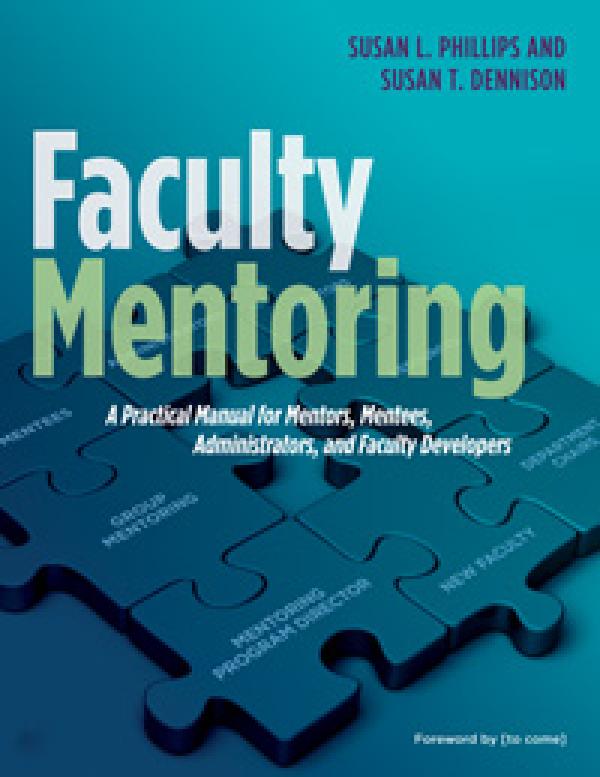
Click Here for Book Review Abstract: Faculty mentoring programs greatly benefit the institutions that have instituted them, and are effective in attracting and retaining good faculty. Prospective faculty members commonly ask about mentoring at on-campus interviews, and indicate that it is a consideration when choosing a position. Mentoring programs also increase the retention rate of junior faculty, greatly reducing recruitment costs, and particularly help integrate women, minority and international faculty members into the institution, while providing all new hires with an orientation to the culture, mission and identity of the college or university. The book provides step-by-step guidelines for setting up, planning, and facilitating mentoring programs for new faculty members, whether one-on-one, or using a successful group model developed and refined over twenty-five years by the authors. While it offers detailed guidance on instituting such programs at the departmental level, it also makes the case for establishing school or institutional level programs, and delineates the considerable benefits and economies of scale these can achieve. The authors provide guidance for mentors and mentees on developing group mentoring and individual mentor / protégé relationships – the corresponding chapters being available online for separate purchase; as well as detailed outlines and advice to department chairs, administrators and facilitators on how to establish and conduct institution-wide group mentoring programs, and apply or modify the material to meet their specific needs. For training and faculty development purposes, we also offer two chapters as individual e-booklets. Each respectively provides a succinct summary of the roles and expectations of the roles of Mentor and Mentee. Faculty Mentoring / Mentor Guide The booklets are affordably priced, and intended for individual purchase by mentors and mentees, and are only available through our Web site. (From the Publisher)

Click Here for Book Review Abstract: Moving beyond critique, Alternative Solutions to Higher Education’s Challenges uses an appreciative approach to highlight what is working in colleges and universities and offers an examination of how institutions can improve practice. Drawing on examples and cases from real higher education institutions, this book offers a solution-focused framework that challenges the negative assumptions that have plagued higher education. Chapters explore how current narratives have perpetuated and maintained systematic flaws in our education system and have hindered reform. This invaluable resource breaks from the substantial literature that only highlights the many problems facing higher education today, and instead provides alternative strategies and essential recommendations for moving higher education institutions forward. (From the Publisher)

Here for Book Review Abstract: Focuses on the opportunities and challenges of using the science of change to improve the academic enterprise. This is not another book about why higher education needs to change. This volume is about how to facilitate change. What could higher education achieve if varied stakeholders decided to work together to accomplish a shared vision by using data and scaling up evidence-based interventions? The contributors offer examples and instructions to help execute change in order to drive collective impact. When we understand large-scale change in other sectors, such as healthcare, business, and the social sector, it can help inform us of what collective impact looks like and how to get there. A deeper investigation into the science of change will enable us to work towards increasing access, overcoming racial disparities, reducing the need for remediation, and improving learning outcomes. (From the Publisher)
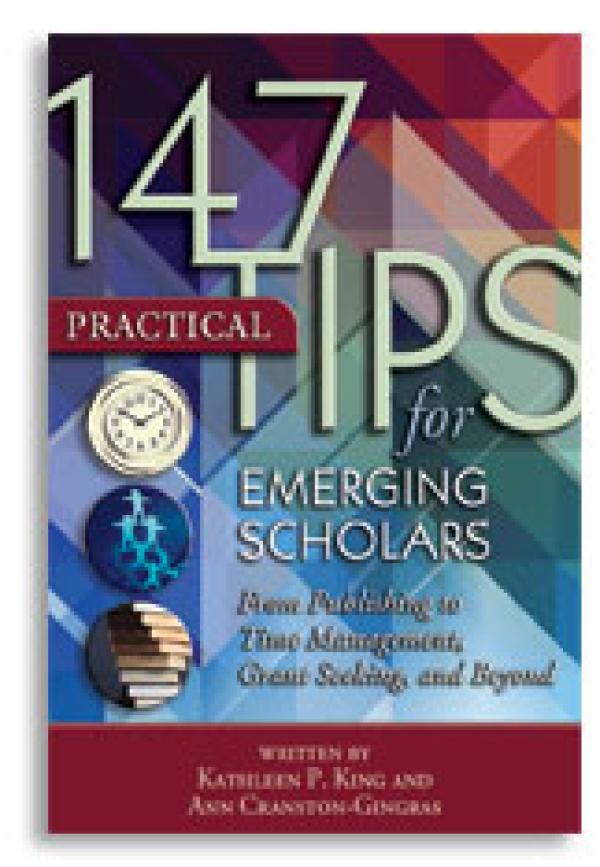
Click Here for Book Review Abstract: Higher educations professionals face a myriad of competing demands on their time. Many of these pressures exist apart from teaching and outside the classroom altogether. Career requirements can seem to be never ending, and if they are not carefully managed and balanced, they can overrun even the most committed scholar’s resolve. The latest book in Atwood’s 147 Tips series, 147 Practical Tips for Emerging Scholars presents readers with a much-needed guide to the varied ins and outs of a career in higher education. Advocating detailed planning and clear priorities, the authors have crafted a thorough and accessible book to simplify and de-stress the navigation of a scholar’s world. Their pragmatic and detailed tips offer advice on crucial topics including: - Writing grants - Research - Working with technology - Collaboration - Mentoring The authors write: 147 Practical Tips for Emerging Scholars assists you in developing your successful professional journey as a scholar by delivering proven and succinct guidance.... You can use this book as a ready reference that you can turn to again and again for solid direction, clarity, and encouragement. This essential volume offers fresh and enriching insights, and will prove an indispensable tool for higher education professionals - new and veteran alike. (From the Publisher)
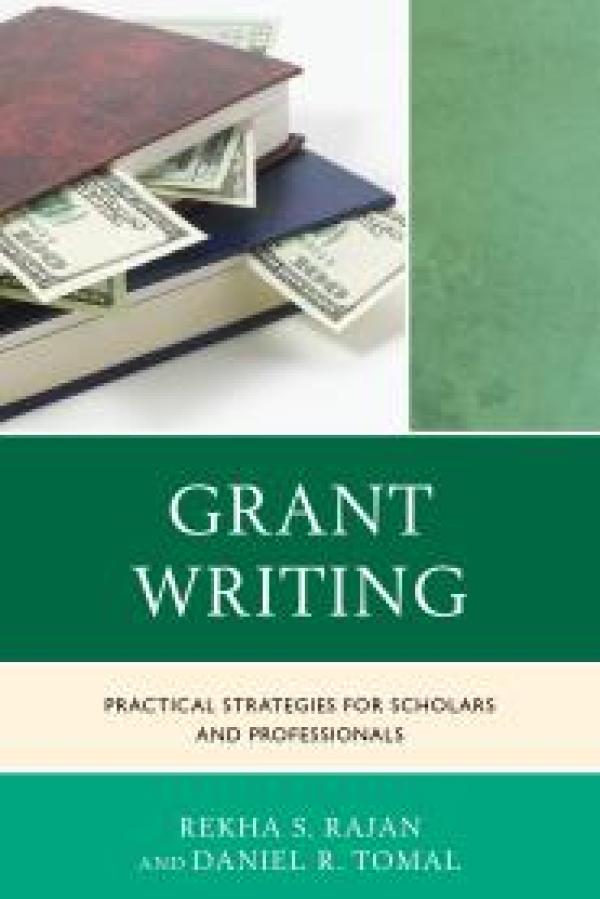
A first of its kind, this book provides you everything you need to know about successfully navigating the grant writing process including understanding the language of grant writing, finding grants, preparing the proposal, completing the application, preparing budgets, organizing information and timelines, revising and editing the proposal, including the assessment and evaluation, and building meaningful relationships with program officers and colleagues. (From the Publisher)
Institutions face tremendous potential loss if midcareer employees (like mid-career faculty?) are not happy and productive. Midcareer problems are “pervasive, largely invisible, and culturally uncharted.”