Resources
In this report, we review social science and library studies literatures on librarian-faculty relations, and present a preliminary sociological analysis of these relations. We find an asymmetrical disconnection between both groups: Librarians and faculty identify a disconnection that keeps the two separated, but only librarians view this disconnection as problematic.
Compared research papers before and after implementation of an inquiry-based library instruction program at the University of New Mexico to asses the program's effectiveness and consider its future development. Discusses increased collaboration between the library and the English department and suggests more training for instructors and greater emphasis on a rhetorical research approach.
New campus-wide initiatives and developing a technology now provide librarians with fresh tools for supporting and assisting faculty as fellow educators. Librarians can participate in instruction activities as collaborators and by acting as teachers to the teaching faculty Librarians can foster this interaction by cooperating in assessment and accreditation processes, and by joining in learning communities and writing programs. This article will explore ways that the librarian can partner in professional development with faculty by participating in curriculum planning and educational assessment.
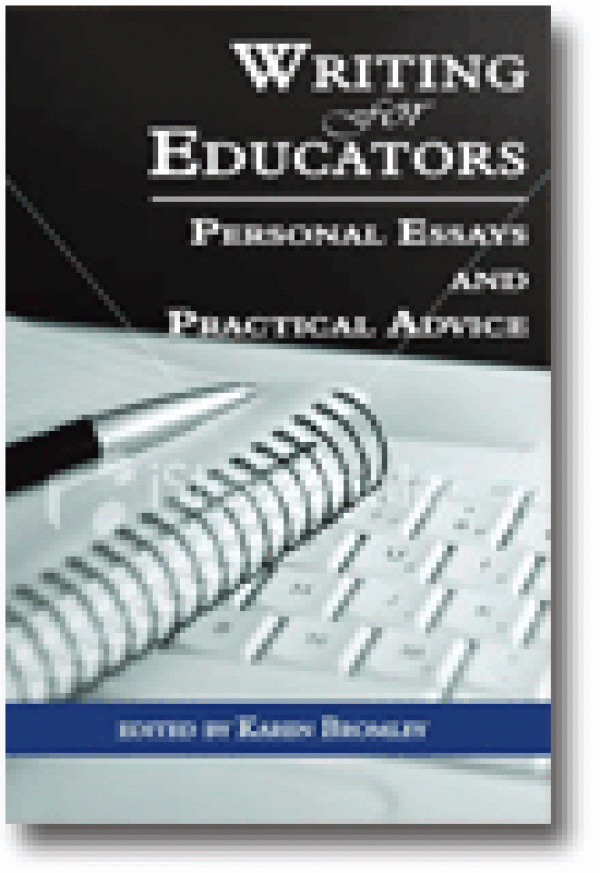
This book is for new faculty, graduate students, teachers, administrators, and other academics who want to write more clearly and have their work published. The essays focus on writing journal articles, dissertations, grants, edited books, and other writing in educational settings. The authors are educators who share their own first-hand experiences that provide novice writers with important knowledge and support in the quest for success in professional scholarly writing. A variety of authors discuss the writer's craft, including issues of voice, audience, planning,drafting, revision, conventions, style, submitting to journals, editorial review, and editing. (From the Publisher)

Joining the Mission is a helpful guide for new (and experienced) faculty at religious colleges and universities. Susan VanZanten here provides an orientation to the world of Christian higher education and an introduction to the academic profession of teaching, scholarship, and service, with a special emphasis on opportunities and challenges common to “mission-driven” institutions. From designing a syllabus to dealing with problem students, from working with committees to achieving a balanced life, VanZanten's guidebook will help faculty across the disciplines — Art to Zoology and every subject between — understand better what it means to pursue faithfully a vocation as professor. (From the Publisher)
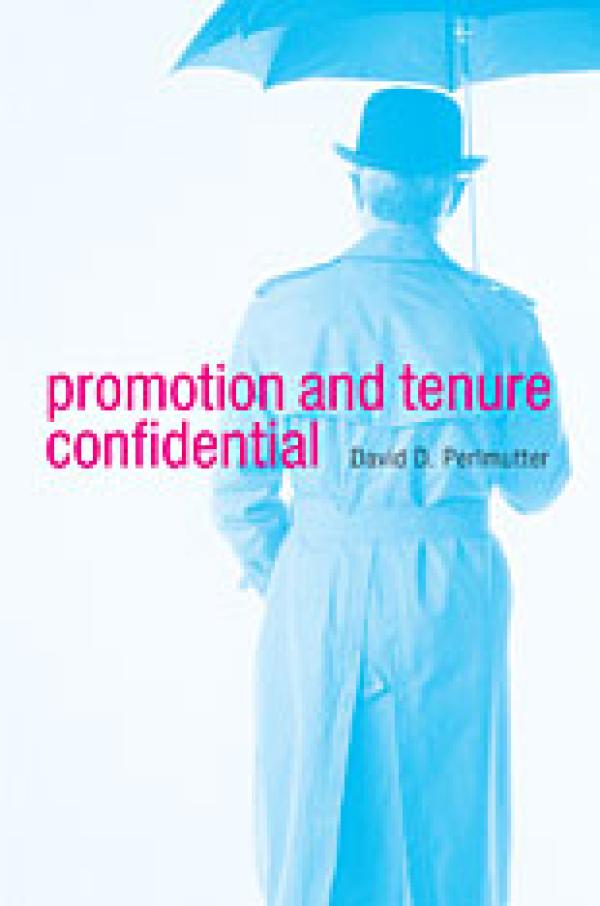
Sitting down with a young and brilliant mathematician, I asked what he thought were his biggest problems in working toward tenure. Instead of describing difficulties with his equations or his software programs, he lamented that (a) his graduate assistant wasn’t completing his tasks on time, (b) his department chair didn’t seem to care if junior faculty obtained grants, and (c) a senior professor kept glaring at him in faculty meetings. He knew he could handle the intellectual side of being an academic—but what about the people side? ‘Why didn’t they offer Promotion and Tenure Confidential provides that course in an astute and practical book, which shows that P&T is not just about research, teaching, and service but also about human relations and political good sense. Drawing on research and extensive interviews with junior and senior faculty across many institutions, David D. Perlmutter provides clear-sighted guidance on planning and managing an academic career, from graduate school to tenure and beyond. Topics include: Making the transformation from student and protégé to teacher and mentor. Seeking out and holding onto lifelong allies. How to manage your online reputation and avoid “death by Google”. What to say and what not to say to deans and department chairs. How meeting deadlines wins points with everyone in your life. How, when, and to whom to say “no”. When and how to look for a new job when you have a job. How (and whom) to ask for letters of recommendation. What to do if you know you’re not going to get tenure. (From the Publisher)

With increasing calls for accountability of faculty, the use of peers as teaching consultants could be the answer to how to monitor our own effectiveness as professionals. (From the Publisher)