Resources
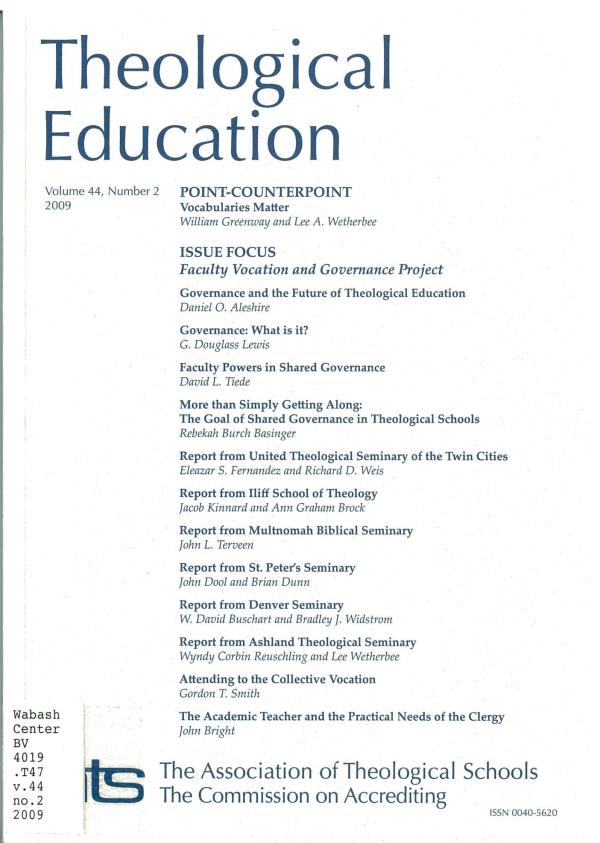
Journal Issue. Full text is available online.

As in her other work, JoAnn Moody demonstrates a keen understanding of the day-to-day challenges of faculty issues, drawing from careful research as well as from close connections to the issues facing early-stage faculty. She reminds us that effective mentoring is designed around a flexible set of approaches and cannot be based on what she appropriately labels myths.
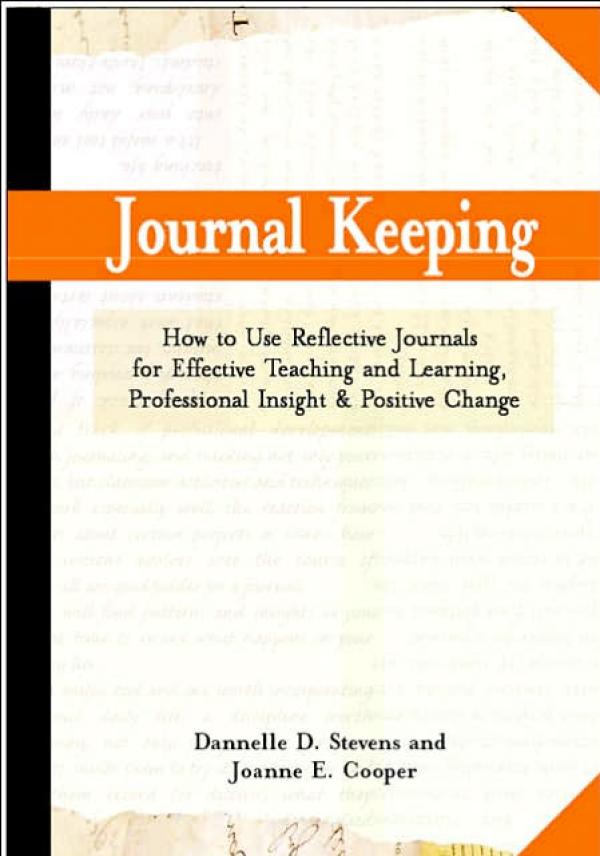
** By the authors of the acclaimed Introduction to Rubrics ** Major growth of interest in keeping journals or diaries for personal reflection and growth; and as a teaching tool ** Will appeal to college faculty, administrators and teachers One of the most powerful ways to learn, reflect and make sense of our lives is through journal keeping. This book presents the potential uses and benefits of journals for personal and professional development-particularly for those in academic life; and demonstrates journals' potential to foster college students' learning, fluency and voice, and creative thinking. In professional life, a journal helps to organize, prioritize and address the many expectations of a faculty member's or administrator's roles. Journals are effective for developing time management skills, building problem-solving skills, fostering insight, and decreasing stress. Both writing and rereading journal entries allow the journal keeper to document thinking; to track changes and review observations; and to examine assumptions and so gain fresh perspectives and insights over past events. The authors present the background to help readers make an informed decision about the value of journals and to determine whether journals will fit appropriately with their teaching objectives or help manage their personal and professional lives. They offer insights and advice on selecting the format or formats and techniques most appropriate for the reader's purposes. (From the Publisher)
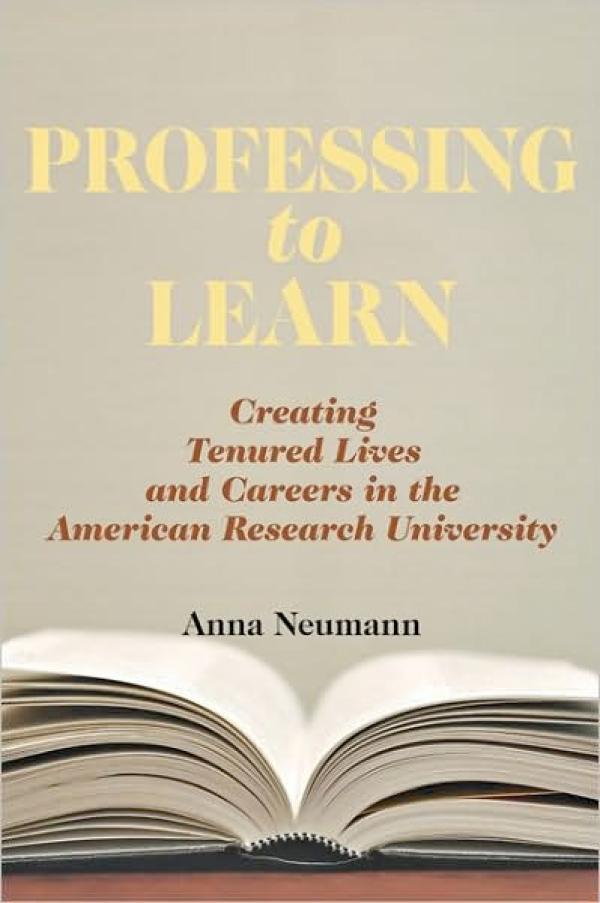
Research, teaching, service, and public outreach — all are aspects of being a tenured professor. But this list of responsibilities is missing a central component: actual scholarly learning — disciplinary knowledge that faculty teach, explore in research, and share with the academic community. How do professors pursue such learning when they must give their attention as well to administrative and other obligations? Professing to Learn explores university professors' scholarly growth and learning in the years immediately following the award of tenure, a crucial period that has a lasting impact on the academic career. Some launch from this point to multiple accomplishments and accolades, while others falter, their academic pursuits stalled. What contributes to these different outcomes? Drawing on interviews with seventy-eight professors in diverse disciplines and fields at five major American research universities, Anna Neumann describes how tenured faculty shape and disseminate their own disciplinary knowledge while attending committee meetings, grading exams, holding office hours, administering programs and departments, and negotiating with colleagues. By exploring the intellectual activities pursued by these faculty and their ongoing efforts to develop and define their academic interests, Professing to Learn directs the attention of higher education professionals and policy makers to the core aim of higher education: the creation of academic knowledge through research, teaching, and service. (From the Publisher)
The number of part-time faculty members is increasing steadily, to the point that most colleges and universities could not function efficiently without them. The evening and weekend availability of adjunct faculty enables us to expand class schedules to serve the educational needs of nontraditional students, and their expertise offers students important real-world perspectives.Yet there is often a lack of preparation or support for their vital role. Best Practices for Supporting Adjunct Faculty is written for a full range of academic leaders, including instructional administrators, department chairs, and directors of teaching and learning centers. It showcases proven initiatives at a variety of institutional types—two- and four year, public and private—that help achieve the needs of adjunct instructors, while increasing their effectiveness within institutions’ existing delivery systems. This book provides research data on the initiatives highlighted, and valuable ideas for institutions expanding their professional development opportunities for part-time instructors—thus enhancing student learning and improving accountability outcomes. Contents include: * Deepening our understanding of adjunct faculty * Ensuring an effective start for adjunct faculty * Supporting adjunct faculty through face-to-face and online programming * Mentoring adjunct instructors in a variety of approaches * Building community and a sense of mission * Analysis of orientation, pre-service training, recognition, and comprehensive professional development programs for adjunct faculty * Portraits of proven programs and strategies for implementing initiatives atyour institution * An adjunct professor’s perspective on the benefits of supporting your part-timers’ teaching (From the Publisher)
Practically focused, easily accessible, this book is directly relevant to the academic environment in which department chairs operate. The authors—internationally known experts in academic administration—conducted interviews with department chairs and heads at 38 academic institutions from across the U.S. and Canada, public and private, two-year and four-year. The extensive interviews resulted in four thematic patterns that covered the overarching issues department chairs face: quality, change, culture, and leadership. Each chapter is packed with practical advice and concludes with questions and resources to help chairs develop constructive responses to the myriad issues facing them. (From the Publisher)
From the Publisher Written for anyone who works with graduate students to support their teaching efforts in American research universities, this book draws on the extensive experience of professional educators who represent a variety of programs throughout the United States. They understand the common constraints of many TA development classes, workshops, and programs, as well as the need for motivating and sophisticated techniques that are, at the same time, practical and focused. Their contributions to this book have proven to be effective in developing the sophisticated communication skills required by TAs across the disciplines.
A 15,000 word article from AAUP (American Association of University Professors), addressing faculty recruitment,  tenure and advancement, sexual harassment, academic freedom, and protections against personal liability. “In the end, if you apply institutional policies consistently and fairly, you will be in a solid position to defend decisions.”
Written by experts in teaching and administration, this guide offers practical, research-based information for faculty members and administrators in search of new approaches for assessing and improving faculty potential. By recognizing that faculty evaluation can be a difficult, time-consuming, and costly process, the authors of Evaluating Faculty Performance have distilled existing evaluation practices into useful recommendations for strengthening the overall system. Offering numerous suggestions for improving evaluation methods, assessing program weaknesses, and avoiding common problems, the book * Examines compelling reasons for developing effective and systematic faculty assessment processes * Discusses how to create a climate for positive change by favoring performance counseling over performance evaluation * Identifies the essential elements and best practices in assessment, while also revealing what not to do in evaluating performance * Explains the value of the professional portfolio in assessment teaching, and offers advice on how to complete a portfolio * Outlines key issues, dangers, and benchmarks for success in straightforward language Included are field-tested forms and checklists that can be used to measure faculty performance in teaching, research, and service. The suggestions for improving faculty assessment are clear and practicable—sensible advice for strengthening a process that is of increasing importance in higher education. (From the Publisher)