Resources
Click Here for Book Review Abstract: Employ cognitive theory in the classroom every day Research into how we learn has opened the door for utilizing cognitive theory to facilitate better student learning. But that's easier said than done. Many books about cognitive theory introduce radical but impractical theories, failing to make the connection to the classroom. In Small Teaching, James Lang presents a strategy for improving student learning with a series of modest but powerful changes that make a big difference—many of which can be put into practice in a single class period. These strategies are designed to bridge the chasm between primary research and the classroom environment in a way that can be implemented by any faculty in any discipline, and even integrated into pre-existing teaching techniques. Learn, for example: - How does one become good at retrieving knowledge from memory? - How does making predictions now help us learn in the future? - How do instructors instill fixed or growth mindsets in their students? Each chapter introduces a basic concept in cognitive theory, explains when and how it should be employed, and provides firm examples of how the intervention has been or could be used in a variety of disciplines. Small teaching techniques include brief classroom or online learning activities, one-time interventions, and small modifications in course design or communication with students. (From the Publisher)

Journal Issue.

Journal Issue.
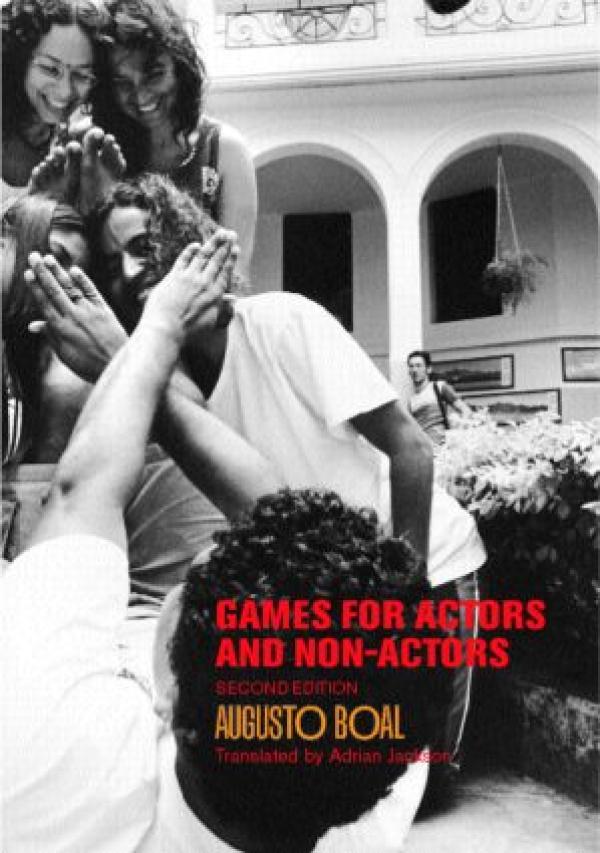
Games for Actors and Non-Actors is the classic and best selling book by the founder of Theatre of the Oppressed, Augusto Boal. It sets out the principles and practice of Boal's revolutionary Method, showing how theatre can be used to transform and liberate everyone – actors and non-actors alike! This thoroughly updated and substantially revised second edition includes: - two new essays by Boal on major recent projects in Brazil - Boal's description of his work with the Royal Shakespeare Company - a revised introduction and translator's preface - a collection of photographs taken during Boal's workshops, commissioned for this edition - new reflections on Forum Theatre. (From the Publisher)
This article argues that attention to material culture can enhance teaching classical rabbinic literature (Talmud, Midrash, and related Jewish texts from the first seven centuries C.E.) at universities. Following an examination of broader scholarship on teaching and learning on using visuals, this article explores four ways in which material culture can help instructors teach rabbinics to students without background in Jewish studies or the relevant languages (Hebrew, Aramaic). It builds upon teaching other areas of biblical and religious studies (Hebrew Bible, New Testament, and teaching rabbinics at liberal seminaries), research methods, and broader scholarship on using visuals and material culture for pedagogical purposes. Contributing to these fields, this article addresses a lacuna in research on teaching rabbinic literature at secular institutions of higher learning and models ways to bring material culture into religious studies classrooms.
A collection of one page Teaching Tactics: S. Brent Plate's introductory essay orients the reader to the academic move toward material text studies, a wide range of research questions and pedagogical practices that includes attention to the history of the book, book technologies, the social habits of readership especially in relation to print culture, and issues raised in media studies about differences in verbal communication. This introduction is followed by a series of one-page Teaching Tactics that prompt students to ask about the material conditions in and through which scriptures acquire meaning. Students are challenged to become aware of the sensorial nature of sacred texts, and of communication itself. They touch, see, and hear in new ways, learning with their bodies.
The millennial generation is distinctive for several reasons, not the least is its growing religious disaffiliation. Given a growing disinterest in religion in general and the Bible in particular especially among the fast growing group of millennial “nones” how can biblical studies classes still be seen as appealing and relevant? This article seeks to answer this question by examining the identity and concomitant values of millennials. As a result of this analysis I argue that while the Bible as inherent authority may be quickly losing its appeal, the Bible as an example of human creativity, group reflection, political rhetoric, and social discourse makes the study of the Bible particularly relevant for millennials contemplating careers in the global marketplace even if the importance of the Bible itself is waning for this generation. I show how in my introductory New Testament class I attempt to implement these ideas.

Journal Issue.

Journal Issue.

Journal Issue.