Resources
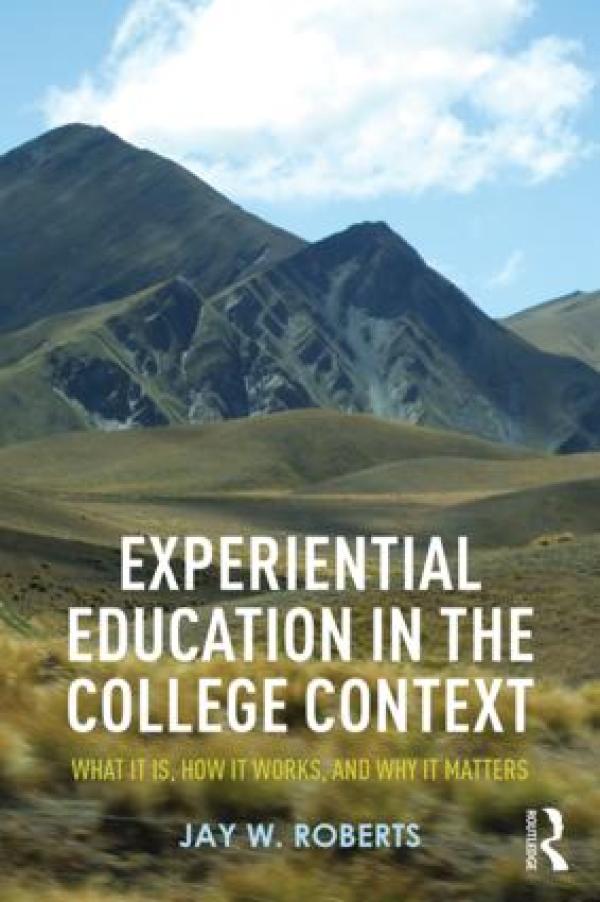
Click Here for Book Review Abstract: Experiential Education in the College Context provides college and university faculty with pedagogical approaches that engage students and support high-impact learning. Organized around four essential categories—active learning, integrated learning, project-based learning, and community-based learning—this resource offers examples from across disciplines to illustrate principles and best practices for designing and implementing experiential curriculum in the college and university setting. Framed by theory, this book provides practical guidance on a range of experiential teaching and learning approaches, including internships, civic engagement, project-based research, service learning, game-based learning, and inquiry learning. At a time when rising tuition, consumer-driven models, and e-learning have challenged the idea of traditional liberal education, this book provides a compelling discussion of the purposes of higher education and the role experiential education plays in sustaining and broadening notions of democratic citizenship. (From the Publisher)
One page Teaching Tactic: Scaffolded activities and assignments beginning the first day of class to help students engage significant life questions in the Bible.
One page Teaching Tactic: Inspiring students through informal encounters with the wide diversity of actual living biblical scholars.
One page Teaching Tactic: Students work alone and in groups to identify effective research questions for their capstone essay.
One page Teaching Tactic: A final paper assignment that knits together the major themes of the course by drawing on activities from the first day of class and peer interviews students have conducted during the semester.
Journal Issue.
Journal Issue.
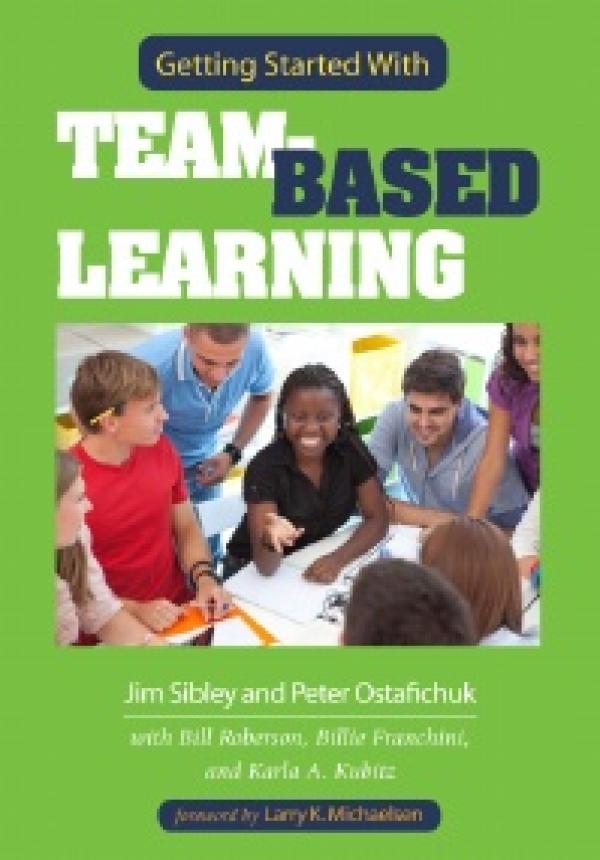
Click Here for Book Review Abstract: This book is written for anyone who has been inspired by the idea of Team-Based Learning (TBL) through his or her reading, a workshop, or a colleague’s enthusiasm, and then asks the inevitable question: how do I start? Written by five authors who use TBL in their teaching and who are internationally recognized as mentors and trainers of faculty making the switch to TBL, the book also presents the tips and insights of 46 faculty members from around the world who have adopted this teaching method. TBL is a uniquely powerful form of small group learning. It harnesses the power of teams and social learning with accountability structures and instructional sequences. This book provides the guidance, from first principles to examples of practice, together with concrete advice, suggestions, and tips to help you succeed in the TBL classroom. This book will help you understand what TBL is and why it is so powerful. You will find what you need to plan, build, implement, and use TBL effectively. This book will appeal to both the novice and the expert TBL teacher. (From the Publisher)
Journal Issue.
Journal Issue.