Resources
Poetry is a bridge across diverse realities; it bridges the expressible and inexpressible, the present and the future. Poetry is also a powerful force in human life; it reveals, nourishes, binds, critiques, empowers, constructs, and confront. From such movement come visions for educational action, both actual and metaphoric. These include: dancing, meditating, singing, chanting, improvising, and drumming.
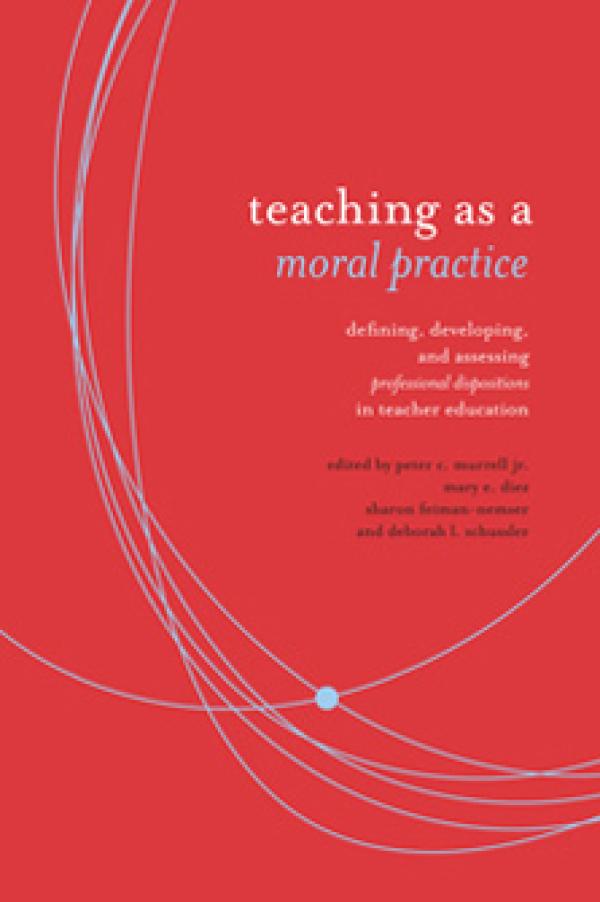
Sometimes understood as habits of mind, “dispositions” represents a new concept in teacher education. Conversations about professional dispositions in teaching often touch on issues such as attitudes, values, moral commitment, and social justice. Based on the American Association of Colleges for Teacher Education’s Task Force on Teaching as a Moral Community, this book addresses the philosophical grounding for the concept of teacher dispositions and examines thoughtful examples of emerging practice. (From the Publisher)
This timely and compelling examination of the experience of Asian Americans in higher education explores why and how Asian Americans and Pacific Islanders (AAPIs) are important to our nation's higher education priorities and places the study of AAPI college participation within a broad set of conditions through which all students must navigate as they pursue higher education. Teranishi captures the intersections of individual agency, social conditions, and organizational structures as synergetic forces that result in a range of postsecondary outcomes for subpopulations within the larger body of AAPIs.
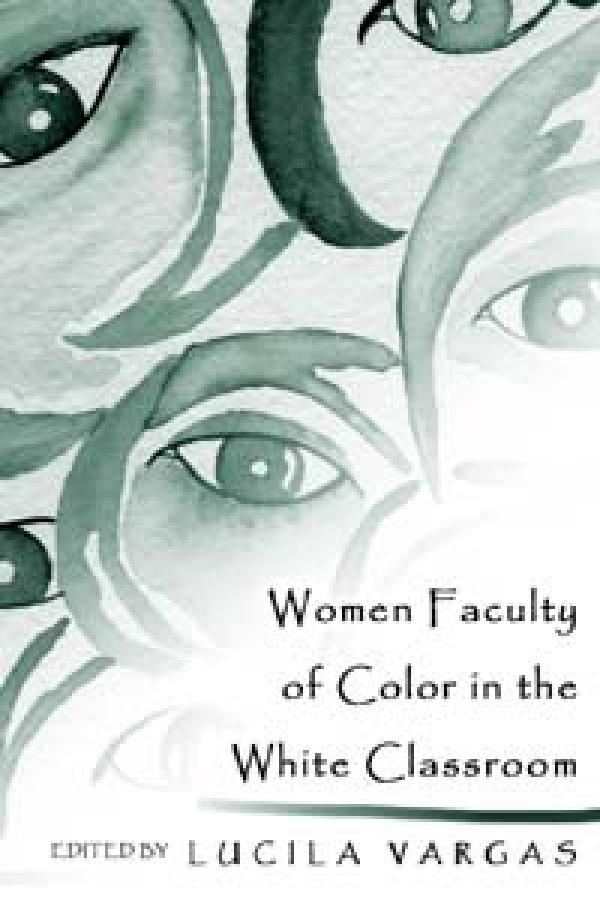
What is it like for women of color to teach in predominantly white college classrooms? This anthology is about the pedagogical implications of diversifying the faculty of higher education. It compiles narratives by women professors of color who interrogate their classroom experiences in predominantly white U.S. campuses to examine the impact of their social positions upon their classroom practices and their teaching-learning selves. The authors reflect upon their unique classroom challenges and talk about the teaching-learning strategies they use to find rewards in their interactions with students. This anthology explores the larger question of how social distinctions shape classroom social life and will be a resource for those concerned with enabling the diversification of the faculty of institutions of higher learning. (From the Publisher)
With lively stories and compelling analysis, Gary Howard takes his readers on a journey of personal and professional transformation. From his 25 years of experience as a multicultural educator, he looks deeply into the mirror of his own racial identity to discover what it means to be a culturally competent White teacher in racially diverse schools. Inspired by his extensive travel and collaboration with students and colleagues from many different cultures, We Can't Teach What We Don't Know offers a healing vision for the future of education. (From the Publisher)
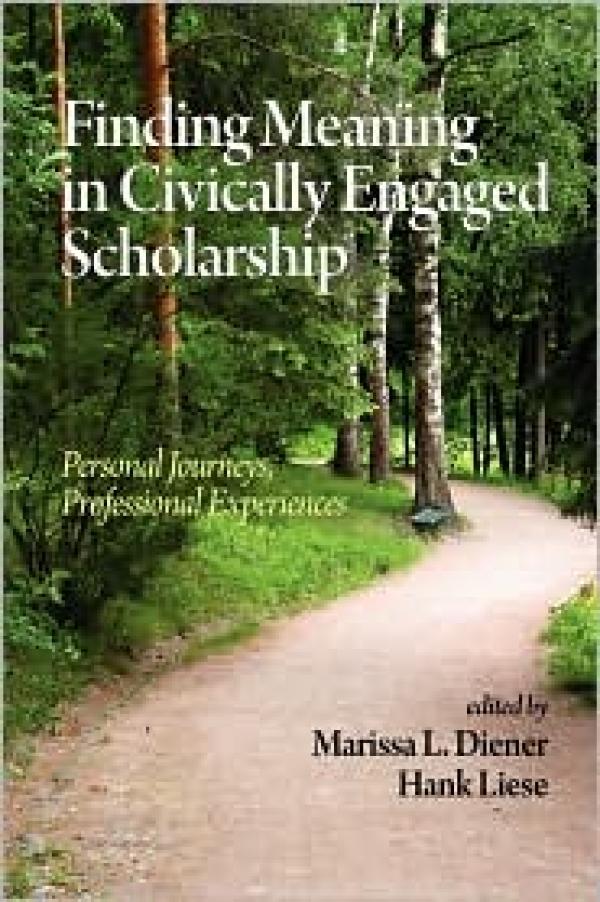
From the Pubisher The essays in this volume are a collection of reflective narratives, rather than traditional scholarly treatises. The book is divided into two parts. The first part describes our individual journeys as each of us found our way to civically engaged scholarship and came to see it as critical to our academic endeavors and identity. This section also highlights the interdisciplinary nature of our work as we discuss our journeys through our own disciplinary lenses. The second part presents detailed examples of our civic engagement, including service-learning classes, community based research projects, and creation of community service-learning spaces. These chapters provide a varied picture of the available avenues for civic engagement for students and faculty in a higher education setting. We provide sufficient details of our projects and classes to enable replication. The book concludes with a discussion of civic engagement as it is defined in the literature. The conclusion also discusses institutional factors that support and promote civic engagement as well as the importance of community involvement in service learning. Five common themes that emerged across the chapters are described. These themes include the use of service learning and civic engagement as an effective pedagogy, the relationship between civic engagement and political activism, the importance of partnership and collaboration, the meaning found in civic engagement, and the challenges of civically engaged work.
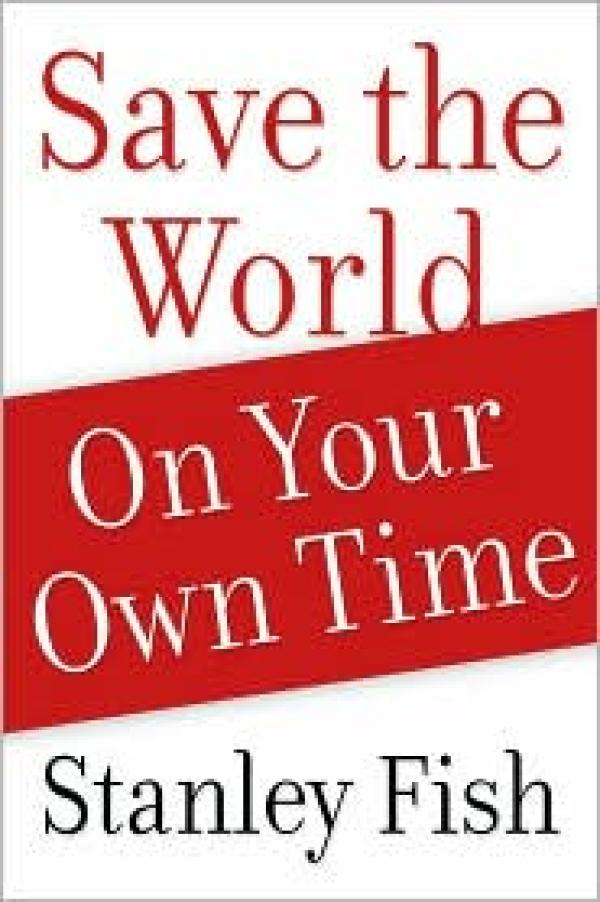
What should be the role of our institutions of higher education? To promote good moral character? To bring an end to racism, sexism, economic oppression, and other social ills? To foster diversity and democracy and produce responsible citizens? In Save the World On Your Own Time, Stanley Fish argues that, however laudable these goals might be, there is but one proper role for the academe in society: to advance bodies of knowledge and to equip students for doing the same. When teachers offer themselves as moralists, political activists, or agents of social change rather than as credentialed experts in a particular subject and the methods used to analyze it, they abdicate their true purpose. And yet professors now routinely bring their political views into the classroom and seek to influence the political views of their students. Those who do this will often invoke academic freedom, but Fish argues that academic freedom, correctly understood, is the freedom to do the academic job, not the freedom to do any job that comes into the professor's mind. He insists that a professor's only obligation is "to present the material in the syllabus and introduce students to state-of-the-art methods of analysis. Not to practice politics, but to study it; not to proselytize for or against religious doctrines, but to describe them; not to affirm or condemn Intelligent Design, but to explain what it is and analyze its appeal." Given that hot-button issues such as Holocaust denial, free speech, and the Israeli-Palestinian conflict are regularly debated in classrooms across the nation, Save the World On Your Own Time is certain to spark fresh debate-and to incense both liberals andconservatives-about the true purpose of higher education in America. (From the Publisher)
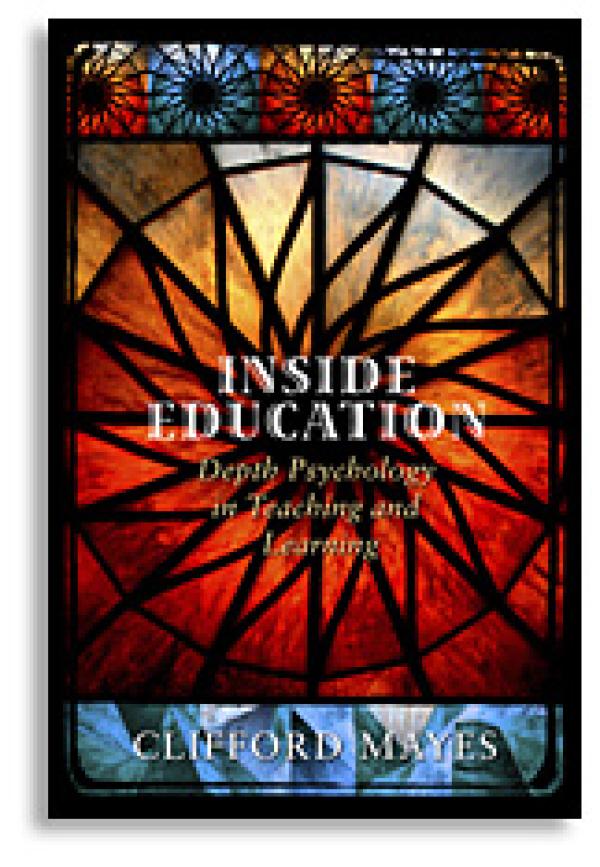
Education has to do with the mind and spirit of both the learner and the teacher. Those who teach know this instinctively. Yet many of the processes and mandates required in education, at all levels, fail to consider this most basic condition of the learning environment. Mayes, as an educator and therapist, examines the teaching/learning project through the lens of Depth Psychology because he believes that it offers the best possibility for examining the non-quantifiable dimensions of the student/teacher/learning situation. Depth Psychology, rooted in the work of Carl Jung, offer the educator a very human and humane way to frame interactions with learners. (From the Publisher)