Resources
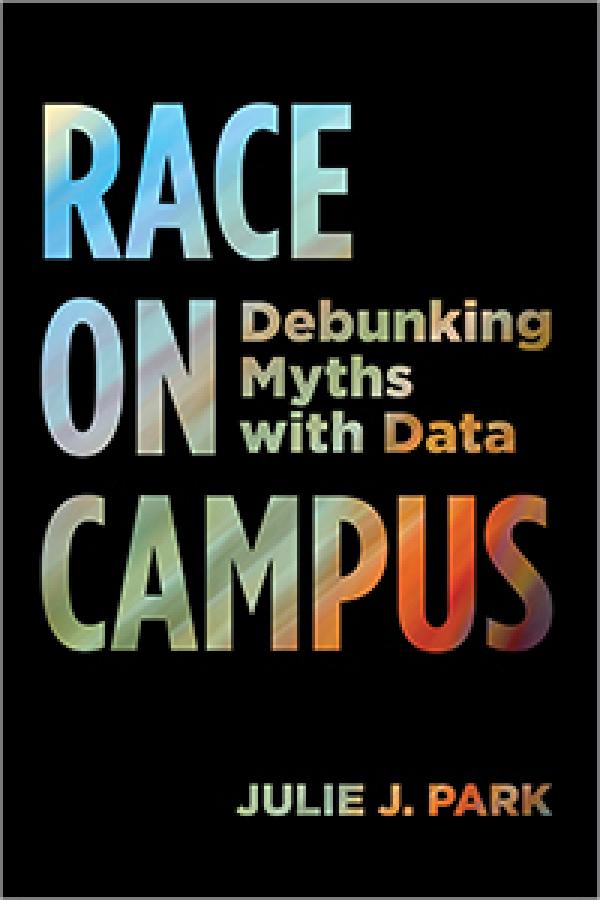
Click Here for Book Review In Race on Campus, Julie J. Park argues that there are surprisingly pervasive and stubborn myths about diversity on college and university campuses, and that these myths obscure the notable significance and admirable effects that diversity has had on campus life. Based on her analysis of extensive research and data about contemporary students and campuses, Park counters these myths and explores their problematic origins. Among the major myths that she addresses are charges of pervasive self-segregation, arguments that affirmative action in college admissions has run its course and become counterproductive, related arguments that Asian Americans are poorly served by affirmative action policies, and suggestions that programs and policies meant to promote diversity have failed to address class-based disadvantages. In the course of responding to these myths, Park presents a far more positive and nuanced portrait of diversity and its place on American college campuses. At a time when diversity has become a central theme and goal of colleges and universities throughout the United States, Race on Campus offers a contemporary, research-based exploration of racial dynamics on today’s college campuses. (From the Publisher)
Drawing on the lived experiences of Black students in adult degree completion programs at predominantly White, Christian institutions in the southern United States, this book presents a model for reimagining adult higher education. Westbrook explores the reasons students enrolled in degree programs, how they experience their predominantly white institutions, and how their experiences affect their lives. Employing Critical Race Theory and Christian theology as frameworks for evaluating the students’ experiences, the author sheds light on the ways African American experiences to inform, critique, and shape Christian adult learning in higher education. (From the Publisher)
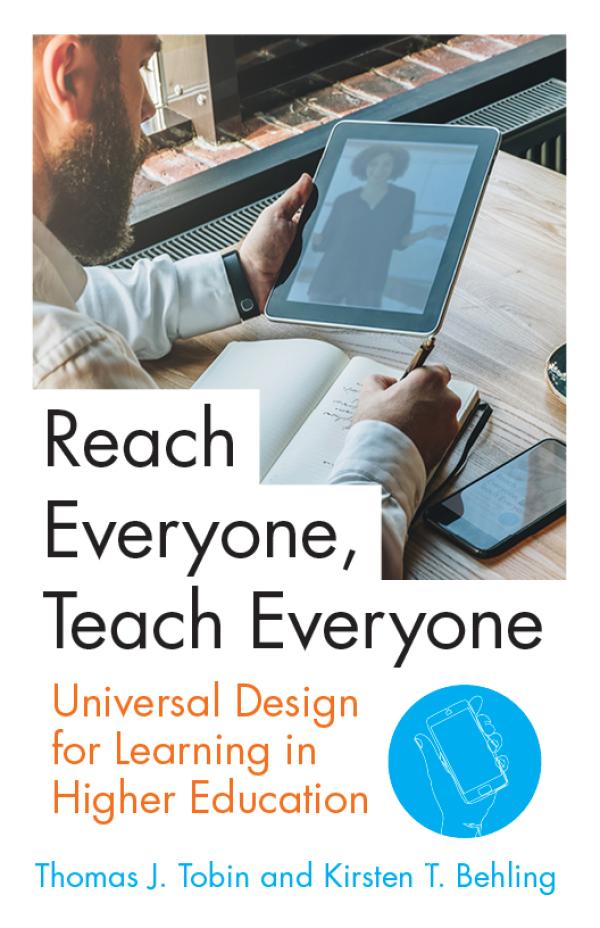
Advocates for the rights of people with disabilities have worked hard to make universal design in the built environment “just part of what we do.” We no longer see curb cuts, for instance, as accommodations for people with disabilities, but perceive their usefulness every time we ride our bikes or push our strollers through crosswalks. This is also a perfect model for Universal Design for Learning (UDL), a framework grounded in the neuroscience of why, what, and how people learn. Tobin and Behling show that, although it is often associated with students with disabilities, UDL can be profitably broadened toward a larger ease-of-use and general diversity framework. Captioned instructional videos, for example, benefit learners with hearing impairments but also the student who worries about waking her young children at night or those studying on a noisy team bus. Reach Everyone, Teach Everyone is aimed at faculty members, faculty-service staff, disability support providers, student-service staff, campus leaders, and graduate students who want to strengthen the engagement, interaction, and performance of all college students. It includes resources for readers who want to become UDL experts and advocates: real-world case studies, active-learning techniques, UDL coaching skills, micro- and macro-level UDL-adoption guidance, and use-them-now resources. (From the Publisher)
Click Here for Book Review Written by a sitting college president who has presided over transformative change at a state university, this book takes on the big questions and issues of change and change management, what needs to be done and how to do it. Writing in a highly accessible style, the author recommends changes for higher education such as the reallocation of resources to support full-time faculty members in foundation-level courses, navigable pathways from community college to the university, infusion rather than proliferation of courses, and the role of state universities in countering the disappearance of the middle class. The book describes how these changes can be made, as well as why we must make them if our society is to thrive in the twenty-first century.
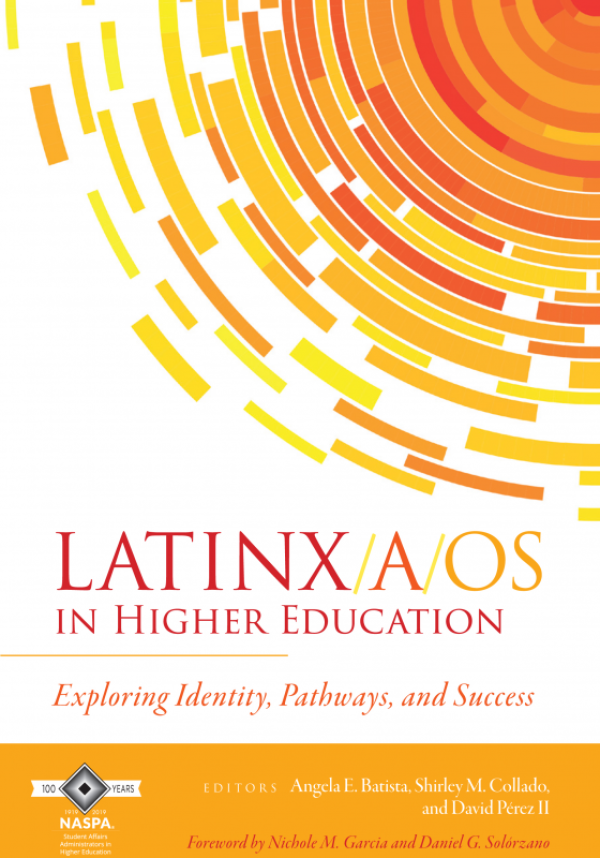
The Latinx/a/o population is the largest and fastest-growing ethnic group in the United States, yet higher education attainment for this community is among the lowest. Latinx/a/os in Higher Education: Exploring Identity, Pathways, and Success addresses topics relevant to the experience of Latinx/a/o students and professionals and illustrates key elements that should be considered in the development of varied pathways to their success.
This article consists of four brief responses to Lucretia B. Yaghjian's “Pedagogical challenges in teaching ESOL/Multilingual writers in theological education,” published in this issue of the journal.
A theological school's international students contribute to and are constitutive of its diversity. Yet while research on diversity in theological education is flourishing, the pedagogical challenges of international ESOL (English for Speakers of other Languages) theological students and of their teachers have received scant attention. This article probes the pedagogical challenges of international student writers in theological schools, and of their teachers and tutors, by (1) reflecting on those challenges, their context, and responses to them; (2) connecting contemporary theories of ESOL language learning with the practice of teaching and tutoring non‐native English writers in a theological context; and (3) proposing a discipline‐driven, writing‐centered ESOL pedagogy that I call “Writing Theology as a Common Language.” See as well “Responses to Lucretia B. Yaghjian's ‘Pedagogical challenges in teaching ESOL/multilingual writers in theological education,’ by Steed Vernyl Davidson, Sheryl A. Kujawa‐Holbrook (with Ahsah Kyuelna and Angela Wendy Tankersley), Hyo‐Dong Lee, and Carmen M. Nanko‐Fernández, published in this issue of the journal.
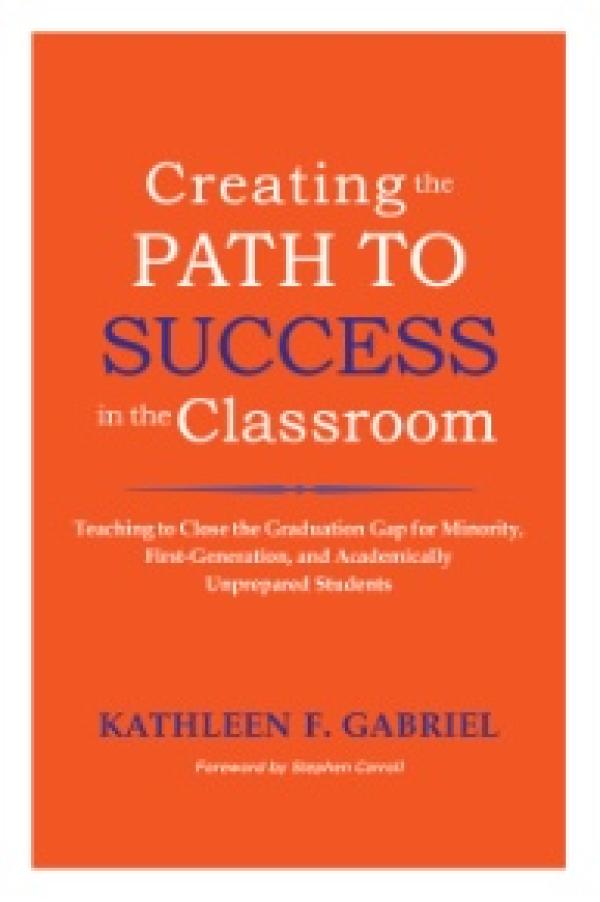
Click Here for Book Review This is a book for all faculty who are concerned with promoting the persistence of all students whom they teach. Most recognize that faculty play a major role in student retention and success because they typically have more direct contact with students than others on campus. However, little attention has been paid to role of the faculty in this specific mission or to the corresponding characteristics of teaching, teacher-student interactions, and connection to student affairs activities that lead to students’ long-term engagement, to their academic success, and ultimately to graduation. At a time when the numbers of underrepresented students – working adults, minority, first-generation, low-income, and international students – is increasing, this book, a companion to her earlier Teaching Underprepared Students, addresses that lack of specific guidance by providing faculty with additional evidence-based instructional practices geared toward reaching all the students in their classrooms, including those from groups that traditionally have been the least successful, while maintaining high standards and expectations. Recognizing that there are no easy answers, Kathleen Gabriel offers faculty ideas that can be incorporated in, or modified to align with, faculty’s existing teaching methods. She covers topics such as creating a positive and inclusive course climate, fostering a community of learners, increasing engagement and students’ interactions, activating connections with culturally relevant material, reinforcing self-efficacy with growth mindset and mental toughness techniques, improving lectures by building in meaningful educational activities, designing reading and writing assignments for stimulating deep learning and critical thinking, and making grade and assessment choices that can promote learning. (From the Publisher)
Students increasingly appear anxious, risk‐averse, and worried about getting things “wrong.” They may appear to lack intellectual curiosity, and be unwilling to engage in independent study. This essay explores how teaching and assessment in theology and religious studies might help students learn to take intellectual risks, and increase their resilience. One approach is to encourage students to experiment and “fail safely,” to increase their confidence that they understand what is expected of them, and to help them begin to understand learning as more broadly formational, not always directed toward a grade. I suggest three strategies: more formative assessment; a stronger narrative about the purpose of formative assessment; and an appeal to values, virtue, and the cultivation of character. Via these approaches, students might be encouraged to understand assessment in less utilitarian terms and increase their resilience for a world characterized by volatility, uncertainty, complexity, and ambiguity, prepared both critically and dispositionally to thrive and contribute positively to society.
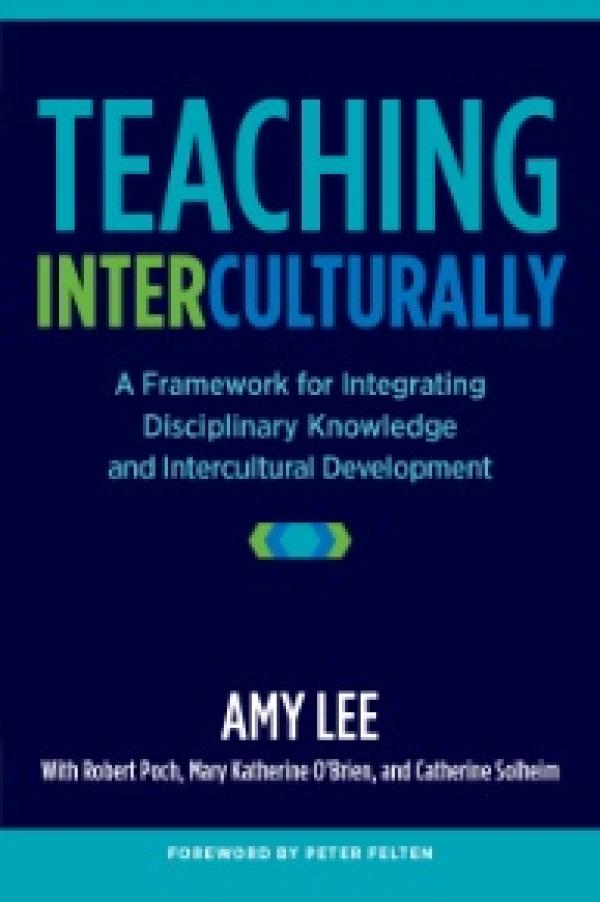
Click Here for Book Review How can I simultaneously support students' critical engagement with course content and develop their intercultural awareness? Most faculty have multiple diversities present in any given classroom or academic program— whether from an influx of international students or an increase of students from low-income, first generation, and/or racial/ethnic minority populations— and are concerned about how to maintain a rigorous curriculum and ensure that all their students succeed, given disparate backgrounds and varying degrees of prior knowledge. This book provides faculty and instructors with a theoretical foundation, practical tools, and an iterative and reflective process for designing and implementing an intercultural pedagogy. The authors bring to bear the expertise of their various disciplinary backgrounds to offer a responsive, integrative framework to develop and continually refine a pedagogy that both promotes deep disciplinary learning and supports intercultural outcomes for all students. The authors offer a framework that is flexible enough to be responsive to the experience, environment, and particulars of a given teaching and learning situation. The text incorporates narrative text by the authors, as well as first-person reflections, classroom activities, and annotated assignments that illustrate the dynamic process of intention, experiment/implement, critique, and refinement that characterize pedagogy and intercultural interaction. The authors bring to bear the expertise of their various disciplinary backgrounds, a deep knowledge of effective pedagogical practice, and their experience and grounding in intercultural practice: Amy in composition/writing studies, Mary Katherine in international education with rich experience as a faculty development trainer, and Bob and Catherine, respectively, an historian and a family scientist. This book is intended both for individual reading as well as for collective study in learning communities.