Resources
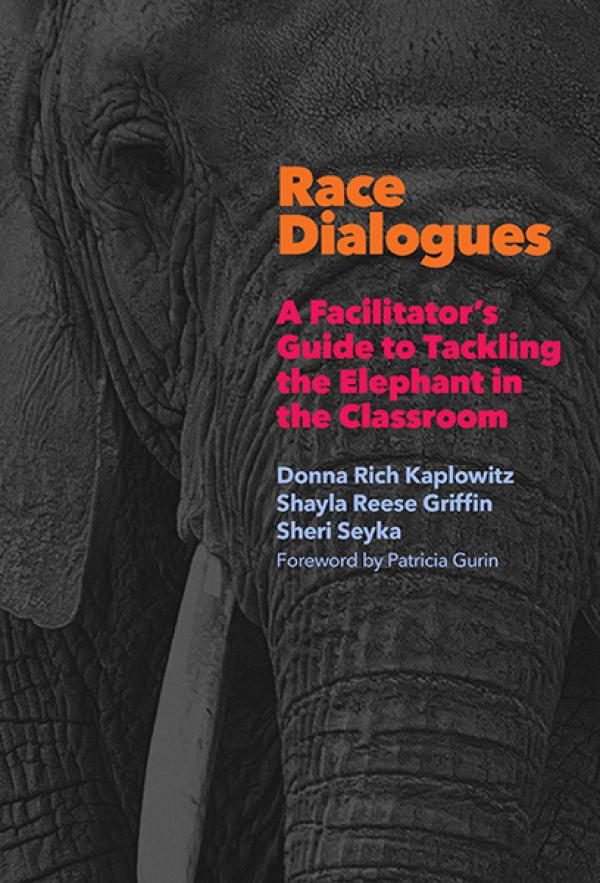
All too often, race discourse in the United States devolves into shouting matches, silence, or violence, all of which are mirrored in today’s classrooms. This book will help individuals develop the skills needed to facilitate difficult dialogues across race in high school and college classrooms, in teacher professional learning communities, and beyond. The authors codify best practices in race dialogue facilitation by drawing on decades of research and examples from their own practices. They share their mistakes and hard-earned lessons to help readers avoid common pitfalls. Through their concrete lesson plans and hands-on material, both experienced and novice facilitators can immediately use this inclusive and wide-ranging curriculum in a variety of classrooms, work spaces, and organizations with diverse participants. (From the Publisher)
Many early efforts at teaching preaching online incurred disastrous losses in quality. Revamped versions now claim to meet, and in some areas even exceed, classroom learning effectiveness, with potentially significant gains for students from non‚Äêdominant cultures. Students preach in local ethnic and denominational contexts, so a wider range of sermon styles can flourish in indigenous soil. Students hear immediate feedback from their community, and from their online peers and professor. Online discussion formats level the playing field for non‚Äênative speakers. By remaining embedded in their denominational and ethnic environments, student's cultural differences may be simultaneously affirmed and critiqued. This article describes capacities which predict success among preaching students, and how culture may influence the manifestation of these capacities. It details best practices and continuing challenges for professors making the transition to online preaching courses, as they seek to build culturally sustaining learning environments in which diverse students may flourish.
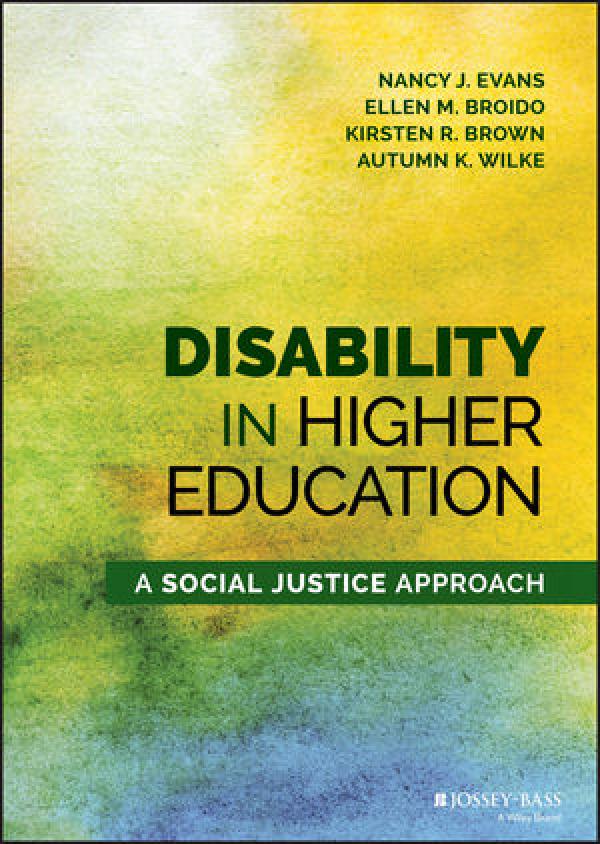
Disability in Higher Education: A Social Justice Approach examines how disability is conceptualized in higher education and ways in which students, faculty, and staff with disabilities are viewed and served on college campuses. Drawing on multiple theoretical frameworks, research, and experience creating inclusive campuses, this text offers a new framework for understanding disability using a social justice lens. Many institutions focus solely on legal access and accommodation, enabling a system of exclusion and oppression. However, using principles of universal design, social justice, and other inclusive practices, campus environments can be transformed into more inclusive and equitable settings for all constituents. The authors consider the experiences of students, faculty, and staff with disabilities and offer strategies for addressing ableism within a variety of settings, including classrooms, residence halls, admissions and orientation, student organizations, career development, and counseling. They also expand traditional student affairs understandings of disability issues by including chapters on technology, law, theory, and disability services. Using social justice principles, the discussion spans the entire college experience of individuals with disabilities, and avoids any single-issue focus such as physical accessibility or classroom accommodations. (From the Publisher)
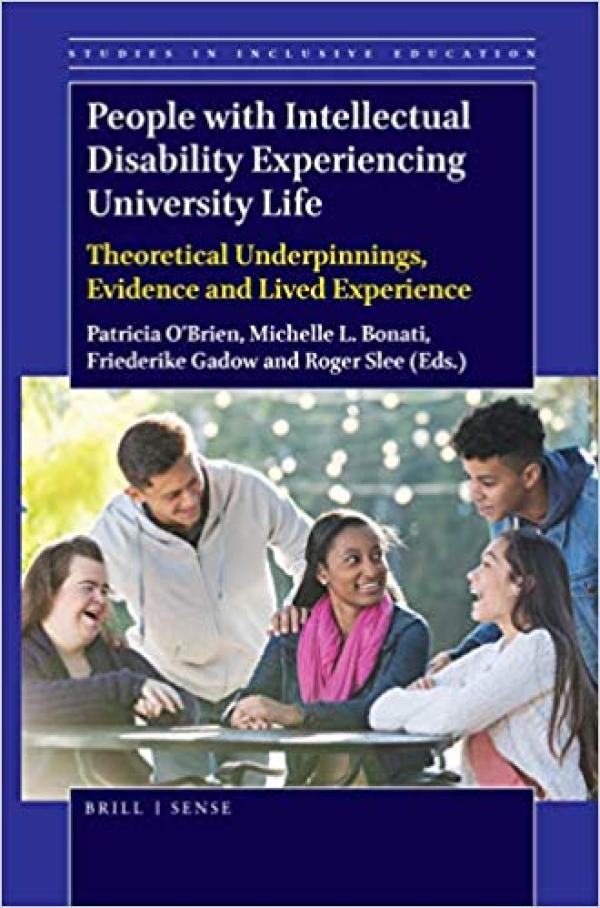
This book will introduce the reader to international perspectives associated with post-secondary school education for students with intellectual disability attending university settings. Examples of students with intellectual disability gaining their right to full inclusion within university settings are outlined, as well as the barriers and facilitators of such innovation. The four parts of the text will act as a reader for all stakeholders of inclusion at the university level. The first part examines the philosophical, theoretical and rights-based framework of inclusion. The second part provides evidence and insight into eight programs from across the globe, where students with intellectual disability are included within university settings. The third part consists of six chapters associated with the lived experiences of stakeholders in the programs profiled in Part 2. These stories are represented through the voices of former students of inclusive tertiary education initiatives, parents of adult children with intellectual disability who have participated in tertiary education, and lecturers who have taught students with intellectual disability as members of their courses. In the fourth part, critical issues are examined, including the role of secondary school counsellors, sustaining post university outcomes, transition from university to employment, inclusive university teaching approaches, and decision-making approaches to successfully implement a tertiary education initiative. The text concludes with a synthesis of the book themes and proposes calls to action with specific tasks to move the rhetoric of human rights into reality for adults with intellectual disability through an inclusive tertiary education.
On April 10-11, 2015 the University of San Francisco hosted the national conference, “Islam at U.S. Jesuit Colleges and Universities.” The overall aim of the conference was to examine the evolution of the mission, objectives, and identity of Catholic Jesuit colleges and universities in light of the expansion of the study of Islam and the growing presence of Muslim faculty, staff, and students on our campuses. (From the Publisher)