Resources
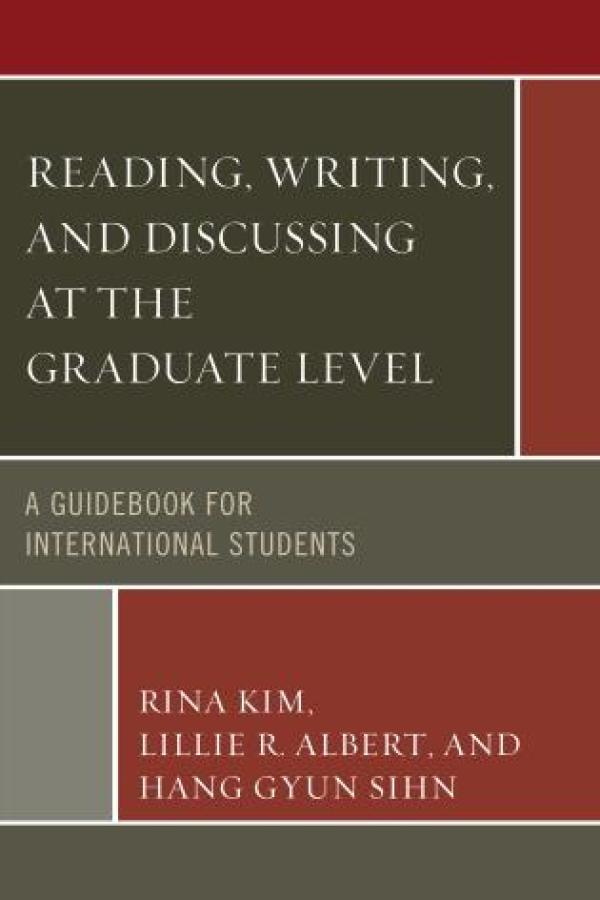
Click Here for Book Review Abstract: The purpose of this book is to help international students navigate the academic issues they will encounter while attending graduate school in the United States. This book provides guidelines for conquering the obstacles that international graduate students often face, such as developing independent ideas based on required readings, participating in classroom discussions effectively, organizing academic papers, and effectively managing academic work and social relationships. This book is an invaluable tool for international graduate students and their instructors and mentors. (From the Publisher)
Click Here for Book Review Abstract: Graduating from Syracuse University with a degree in computer science, Jose Vilson left campus with no job and a few hundred dollars to his name, propelling him (eventually) to his calling: teaching middle school children math in a public school in Washington Heights / Inwood, Manhattan. From his own background as a boy growing up on the drug-tainted, community-centered projects of the Lower East Side of Manhattan, this book takes the reader on the coming-of-age story of a naïve young man struggling to mature through the first few years of his career, balancing the lows of murder, poverty, and academic failure to the highs of growth and eventual triumph. His career takes a twist when he starts a blog with incisive commentary on the state of education on his eponymous blog TheJoseVilson.com, taking prominent figures and institutions like NYC Mayor Michael Bloomberg, Secretary of Education Arne Duncan, and The New York Times to task. (As of this letter, the site is banned from most NYC Department of Education computers, yet read by central offices.) In his collection of multifaceted essays, he provokes discussion on issues of race, gentrification, and the teaching profession from the eyes of a Black-Latino educator with a mix of research and first-hand experience. This education book is not to be missed! (From the Publisher)
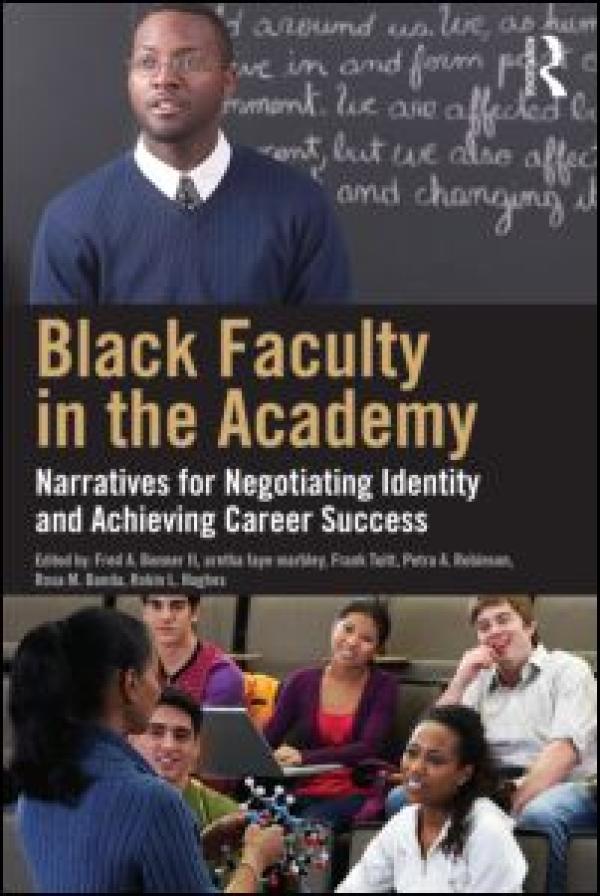
Click Here for Book Review Abstract: Through candid discussions and personal counter-narrative stories, Black Faculty in the Academy explores the experiences and challenges faced by faculty of color in academe. Black faculty in predominantly White college and university settings must negotiate multiple and competing identities while struggling with issues of marginality, otherness, and invisible barriers. This important book illuminates how faculty can develop a professional identity that leads to success in academe, while at the same time remaining true to cultural and personal identities. Through rich narratives, chapter authors situate race-related encounters at the center of their experience in an effort to deconstruct and challenge commonly held assumptions about life in academe. They also provide key recommendations and strategies to help faculty of color ensure their continued professional success. Framed by critical race theory, these stories show how faculty can successfully maneuver through all stages of a career in academe, including tenure and promotion, publication, mentoring, networking, teaching, and dealing with institutional climate issues. This valuable book is for faculty and administrators seeking to create an environment that nurtures professional growth and fosters success among Black faculty. (From the Publisher)
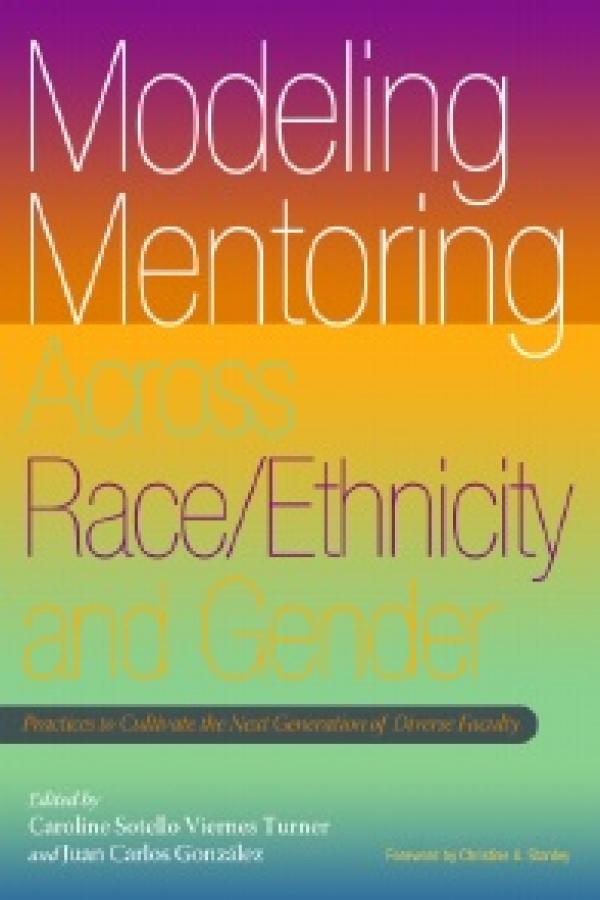
While mentorship has been shown to be critical in helping graduate students persist and complete their studies, and enter upon and succeed in their academic careers, the under-representation of faculty of color and women in higher education greatly reduces the opportunities for graduate students from these selfsame groups to find mentors of their race, ethnicity or gender. Recognizing that mentoring across gender, race and ethnicity inserts levels of complexity to this important process, this book both fills a major gap in the literature and provides an in-depth look at successful mentorships between senior white and under-represented scholars and emerging women scholars and scholars of color. Following a comprehensive review of the literature, this book presents chapters written by scholars who share in-depth descriptions of their cross-gender and/or cross-race/ethnicity mentoring relationships. Each article is co-authored by mentors who are established senior scholars and their former protégés with whom they have continuing collegial relationships. Their descriptions provide rich insights into the importance of these relationships, and for developing the academic pipeline for women scholars and scholars of color. Drawing on a comparative analysis of the literature and of the narrative chapters, the editors conclude by identifying the key characteristics and pathways for developing successful mentoring relationships across race, ethnicity or gender, and by offering recommendations for institutional policy and individual mentoring practice. For administrators and faculty concerned about diversity in graduate programs and academic departments, they offer clear models of how to nurture the productive scholars and teachers needed for tomorrow’s demographic of students; for under-represented students, they offer compelling narratives about the rewards and challenges of good mentorship to inform their expectations and the relationships they will develop as protégés. (From the Publisher)
This collection of essays written by seventeen Generation X academics passionately, provocatively, and eloquently demonstrates the personal issues, conflicts, and triumphs that are definitive of this generation. These essays define the voice of an often overlooked and ignored demographic. (From the Publisher)
Explores the challenges faculty fathers face in navigating the demands of work and family. For the past two decades, colleges and universities have focused significant attention on helping female faculty balance work and family by implementing a series of family-friendly policies. Although most policies were targeted at men and women alike, women were intended as the primary targets and recipients. This groundbreaking book makes clear that including faculty fathers in institutional efforts is necessary for campuses to attain gender equity. Based on interviews with seventy faculty fathers at four research universities around the United States, this book explores the challenges faculty fathers—from assistant professors to endowed chairs—face in finding a work/life balance. Margaret W. Sallee shows how universities frequently punish men who want to be involved fathers and suggests that cultural change is necessary—not only to help men who wish to take a greater role with their children, but also to help women and spouses who are expected to do the same. (From the Publisher)

Click Here for Book Review Abstract: This practical guide prepares graduate students of color for their first job in academia and offers strategies for succeeding in the early years of a tenure-track position. Through the voices of faculty who have experienced the rigors of the job search and a career in academia, Beginning a Career in Academia offers advice for graduate students of color on how to transition from graduate school to an academic position. This inclusive volume shares perspectives that vary based on gender, racial, ethnic, generational, and disciplinary backgrounds, giving readers an opportunity to reflect on successful strategies for career readiness and for dealing with marginalization. The authors provide recommendations and tips to enhance the job search, identify campus fit, prepare for the interview and negotiation process, address dynamics of of racial and gender politics, find work-life balance, and demystify the promotion and tenure process. This must-read provides candid advice and mentorship for any graduate students of color embarking on a carreer in academe. (From the Publisher)
Click Here for Book Review Abstract: The Guide is a welcome companion for women in religious studies. From undergraduates to retired professors, this distilled wisdom of several generations of colleagues is an important book to have handy. Whether seeking a job, preparing for tenure, working at a non-profit organization, entering the publishing world, figuring finances, mentoring or being mentored, the reader will find just what she (or he—men find it useful too) needs to know. This volume reflects the diversity of women's experiences, the range of opportunities, the pitfalls and promises of religious studies that span ministry, academia, and activism. It is a good investment for one's future career and a welcome gift for students. This second edition is updated to reflect the rapidly changing field, especially technological innovations. (From the Publisher)
Are you doing all you can to improve teaching and learning? Culturally proficient instruction is the result of an inside-out journey of teaching and learning during which you explore your values and behaviors while evaluating the policies and practices of your workplace. The journey deepens your understanding of yourself and your community of practice. In the newest version of their best-selling book, the authors invite you to reflect on how you engage with your students and your colleagues as a community of learners. The third edition features a case study to show cultural proficiency in practice and: • An updated discussion of standards-based education guidelines • A conceptual framework for the tools of cultural proficiency • New language for understanding the microaggressions of dominant cultures • An integrated guide for use with study groups Each chapter contains reflective activities and group work conducive to collaborative professional development. Culturally Proficient Instruction is invaluable for anyone dedicated to creating an environment in which all learners can succeed. (From the Publisher)
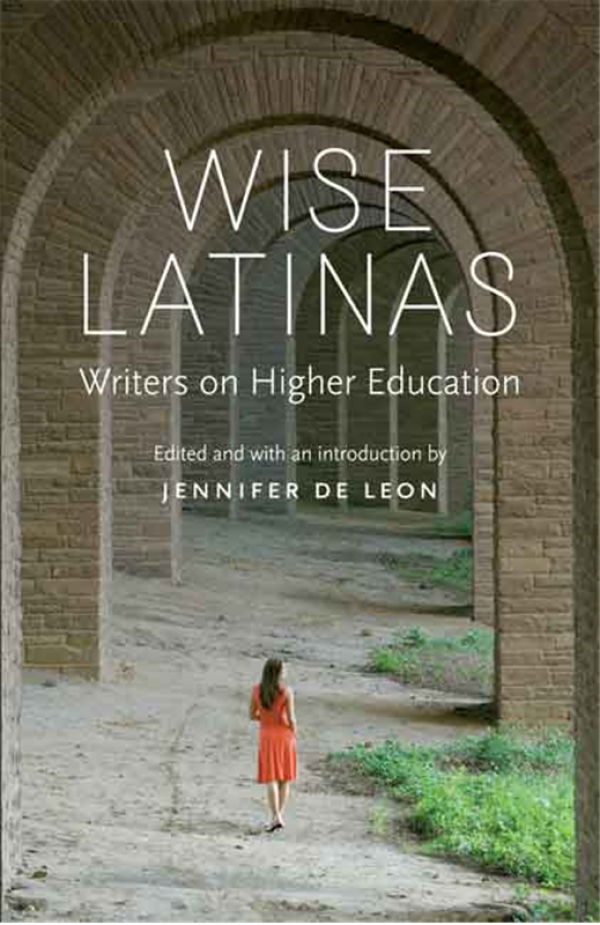
Click Here for Book Review Abstract: College can be a complex time for Latinas, who are traditionally expected to leave home when they get married. In her essay “Only Daughter,” author Sandra Cisneros remarks, “After four years in college and two more in graduate school, and still no husband, my father shakes his head even now and says I wasted all that education.” Wise Latinas is a collection of personal essays addressing the varied landscape of the Latina experience in higher education. For some Latinas, college, where they are vastly underrepresented, is the first time they are immersed in American culture outside their homes—and where the values of two cultures often clash. Wise Latinas is in part a response to this widening gap. Featuring acclaimed writers such as Sandra Cisneros, Norma Cantú, and Julia Alvarez, to name a few, Wise Latinas shows that there is no one Latina college experience. With thoughtful and engaging pieces, Wise Latinas provides a platform for Latina writers to share their experiences in higher education and gives a voice to the many Latina women who have taken risks; embraced the new, confronted change; and maintained (and in some cases found) their roots. (From the Publisher)