Resources
An e-book with chapters on various stages of the academic career (graduate school, job search, alternative career options), as well as a chapter on "Dealing with Difficult Issues" and suggested resources.
Looks at some of the roles that cultural context plays in developing and using various teaching and learning styles. Re-print of chapter 7 of “Teaching, Testing, and Measuring Intelligence” (University of Wisconsin Press).
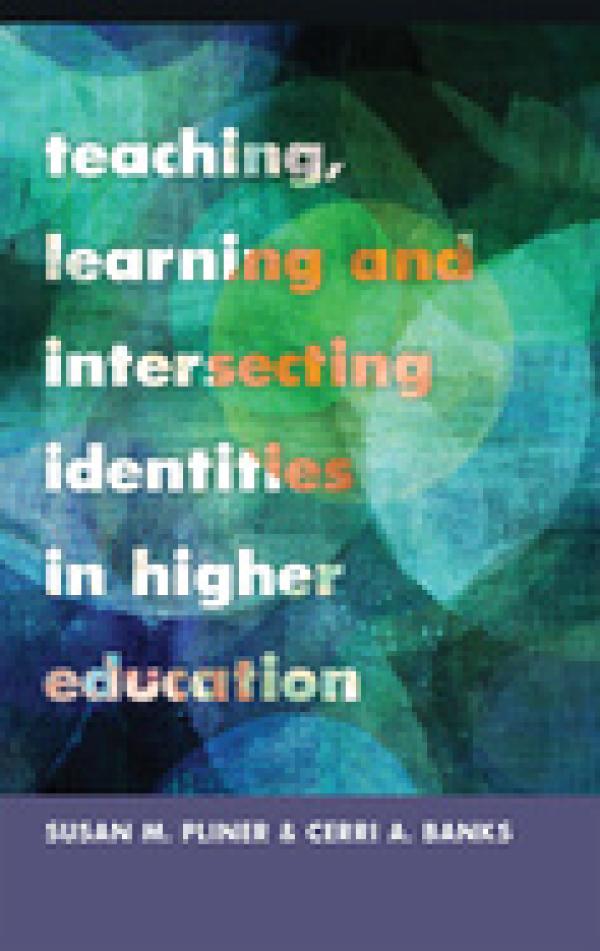
This book utilizes the theory of intersectionality to focus on the divergent identities and experiences of marginalized groups and to analyze the ways these experiences infiltrate the classroom. It examines teaching and learning as integrated and synergistic practices and highlights the personal and institutional power dynamics existing between scholars and students. Starting with the premise that institutions of higher education must pay attention to the ways intersecting identities and structures of privilege and disadvantage enter all educational settings, the contributors to this text represent a range of academic disciplines and they are both scholars and students. This approach demonstrates that ideas related to teaching and learning should not follow models that separate teachers, students, and disciplines, but rather that significant learning occurs in the areas where they overlap. Each chapter provides pedagogical strategies and methods for classroom practice that facilitate student learning, equitable classroom environments, and a social justice agenda. (From the Publisher)
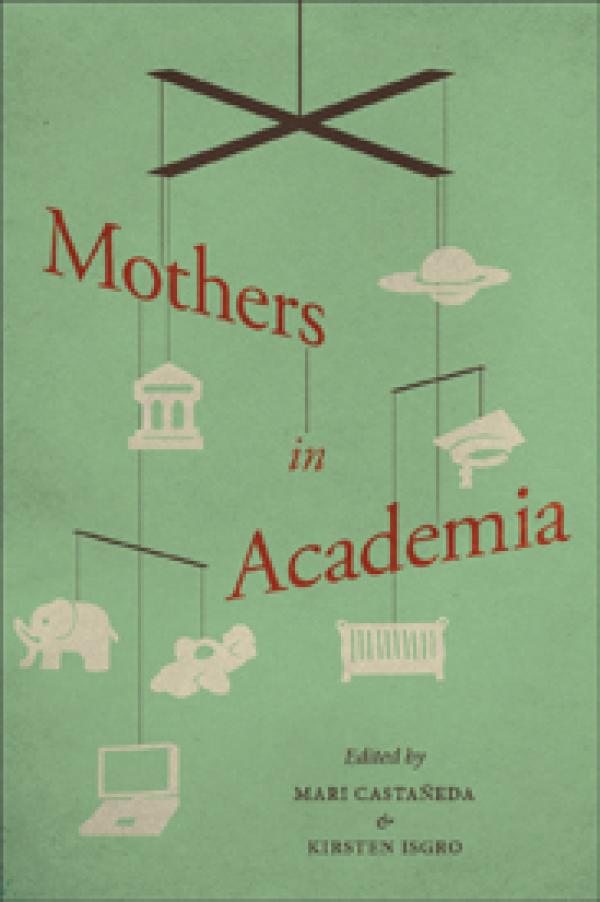
Featuring forthright testimonials by women who are or have been mothers as undergraduates, graduate students, academic staff, administrators, and professors, Mothers in Academia intimately portrays the experiences of women at various stages of motherhood while theoretically and empirically considering the conditions of working motherhood as academic life has become more laborious. As higher learning institutions have moved toward more corporate-based models of teaching, immense structural and cultural changes have transformed women’s academic lives and, by extension, their families. Hoping to push reform as well as build recognition and a sense of community, this collection offers several potential solutions for integrating female scholars more wholly into academic life. Essays also reveal the often stark differences between women’s encounters with the academy and the disparities among various ranks of women working in academia. Contributors—including many women of color—call attention to tokenism, scarce valuable networks, and the persistent burden to prove academic credentials. They also explore gendered parenting within the contexts of colonialism, racism, sexism, ethnocentrism, ageism, and heterosexism. (From the Publisher)
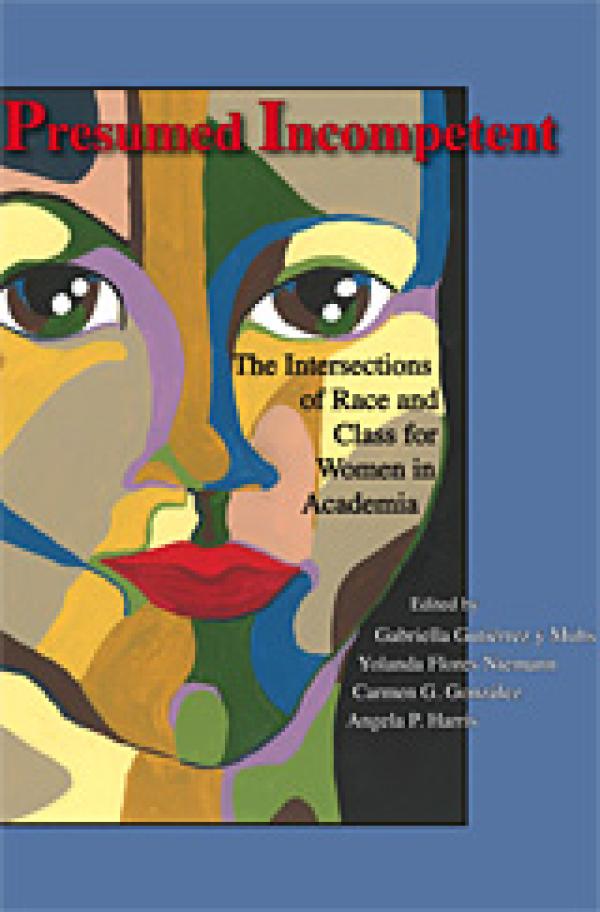
Presumed Incompetent is a pathbreaking account of the intersecting roles of race, gender, and class in the working lives of women faculty of color. Through personal narratives and qualitative empirical studies, more than 40 authors expose the daunting challenges faced by academic women of color as they navigate the often hostile terrain of higher education, including hiring, promotion, tenure, and relations with students, colleagues, and administrators. The narratives are filled with wit, wisdom, and concrete recommendations, and provide a window into the struggles of professional women in a racially stratified but increasingly multicultural America. (From the Publisher)
The purpose of this study was to examine the gender bias in student ratings of effective teaching. Students in five colleges were invited to rate instructors on three factors: interpersonal characteristics, pedagogical characteristics, and course content characteristics. We analyzed group differences based on student gender, instructor gender, and student level. Ratings of pedagogical characteristics and course content characteristics yielded significant interactions between student gender and instructor gender, but no differences were found among groups on interpersonal characteristics. We concluded that gender bias plays a role in students’ views of effective teaching in terms of how students evaluate pedagogical and content characteristics and that this bias generalizes across student levels.
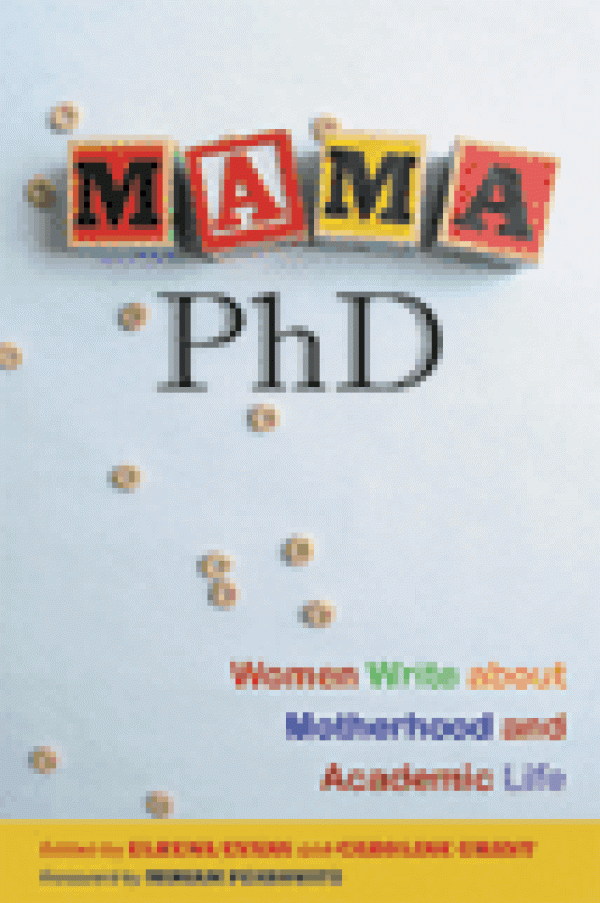
Every year, American universities publish glowing reports stating their commitment to diversity, often showing statistics of female hires as proof of success. Yet, although women make up increasing numbers of graduate students, graduate degree recipients, and even new hires, academic life remains overwhelmingly a man's world. The reality that the statistics fail to highlight is that the presence of women, specifically those with children, in the ranks of tenured faculty has not increased in a generation. Further, those women who do achieve tenure track placement tend to report slow advancement, income disparity, and lack of job satisfaction compared to their male colleagues. Amid these disadvantages, what is a Mama, PhD to do? This literary anthology brings together a selection of deeply felt personal narratives by smart, interesting women who explore the continued inequality of the sexes in higher education and suggest changes that could make universities more family-friendly workplaces. The contributors hail from a wide array of disciplines and bring with them a variety of perspectives, including those of single and adoptive parents. They address topics that range from the level of policy to practical day-to-day concerns, including caring for a child with special needs, breastfeeding on campus, negotiating viable maternity and family leave policies, job-sharing and telecommuting options, and fitting into desk/chair combinations while eight months pregnant. Candid, provocative, and sometimes with a wry sense of humor, the thirty-five essays in this anthology speak to and offer support for any woman attempting to combine work and family, as well as anyone who is interested in improving the university's ability to live up to its reputation to be among the most progressive of American institutions. (From the Publisher)