Resources
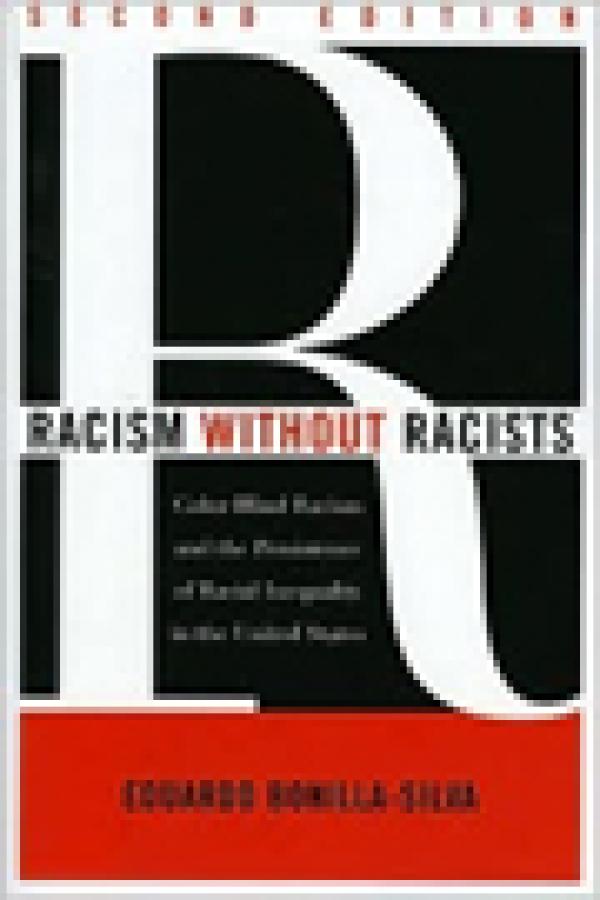
Racism is alive and well although it has changed its clothes. Color-blind racism combines elements of liberalism in the abstract with anti-minority views to justify contemporary racial inequality. (From the Publisher)

In the burgeoning field of whiteness studies, What White Looks Like takes a unique approach to the subject by collecting the ideas of African-American philosophers. George Yancy has brought together a group of thinkers who address the problematic issues of whiteness as a category requiring serious analysis. What does white look like when viewed through philosophical training and African-American experience? In this volume, Robert Birt asks if whites can "live whiteness authentically." Janine Jones examines what it means to be a "goodwill white." Joy James tells of beating her "addiction" to white supremacy, while Arnold Farr writes on making whiteness visible in Western philosophy. What White Looks Like brings a badly needed critique and philosophically sophisticated perspective to central issue of contemporary society. (From the Publisher)
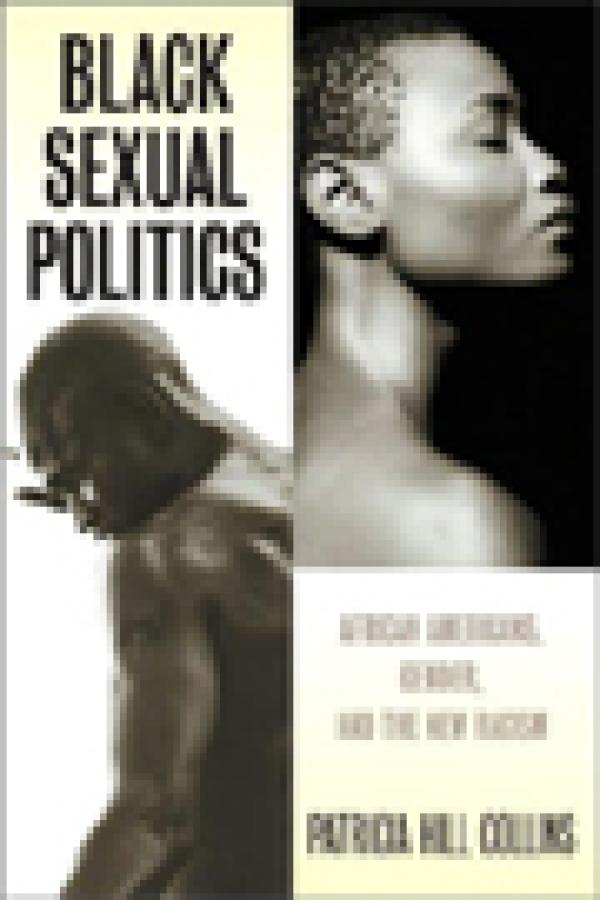
In Black Sexual Politics, one of America's most influential writers on race and gender explores how images of Black sexuality have been used to maintain the color line and how they threaten to spread a new brand of racism around the world today. In the tradition of her award-winning book, Black Feminist Thought, Patricia Hill Collins now turns her critical eye to race, gender, and sexuality in relation to black men and women. (From the Publisher)

The long-awaited reprint of one of SPD's most popular titleS, this book features a new foreword by Gloria E. Anzaldua, as well as an updated bibliography. It also includes the original 1981 foreword (Toni Cade Bambara), the original preface (Cherrie L. Moraga) and the original introduction (Anzaldua & Moraga). (From the Publisher)

"My mother still wants me to get a 'real' job. My father, who is retired after forty-four years in the merchant marine, has never read my work. When I visited recently, the only book in his house was the telephone book." "I do not know that my mother's mother ever acknowledged my college education except to ask me once, 'How can you live so far away from your people?'. Thus write two of the twenty women from working-class backgrounds whose voices are heard in this unique collection of essays. Each of the women has lived through the process of academic socialization - as both student and teacher - and each has thought long and deeply about her experience from an explicitly feminist perspective. Among the questions the contributors explore, What are the issues - pedagogical, theoretical, and personal - that affect the professional and private lives of these women? How do they resolve tensions between their roles as middle-class professionals and their roots in working-class families? How do class and gender intersect in the academy? (From the Publisher)
These autobiographical and analytical essays by a diverse group of professors and graduate students from working-class families reveal an academic world in which "blue-collar work is invisible." Describing conflict and frustration, the contributors expose a divisive middle-class bias in the university setting. Many talk openly about how little they understood about the hierarchy and processes of higher education, while others explore how their experiences now affect their relationships with their own students. They all have in common the anguish of choosing to hide their working-class background, to keep the language of home out of the classroom and the ideas of school away from home. These startlingly personal stories highlight the fissure between a working-class upbringing and the more privileged values of the institution. (From the Publisher)
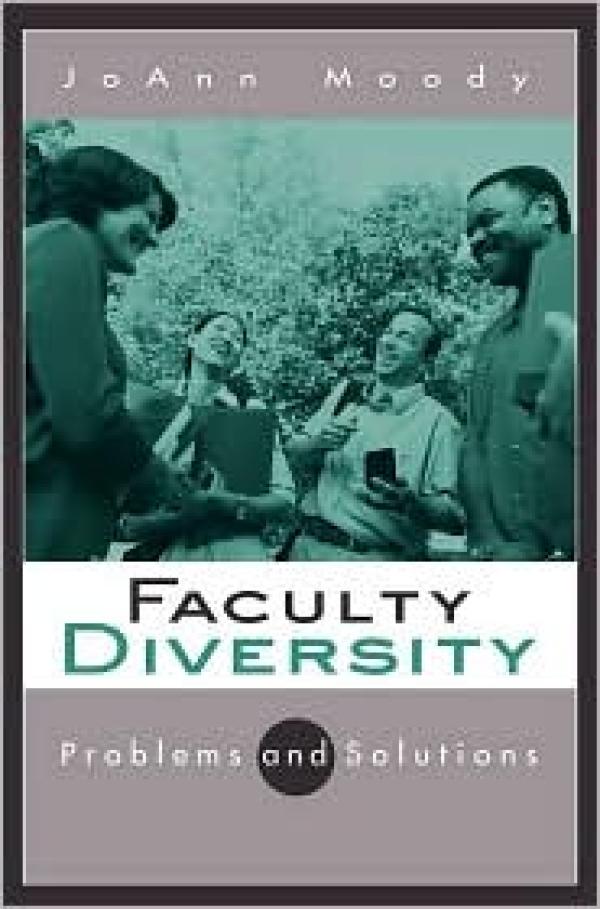
JoAnn Moody shows majority campuses, faculty, and administrators how to dismantle the high barriers that block women and especially minorities from entry and advancement in the professoriate. Good practices for improving recruitment, evaluation, mentorship, and retention are offered. (From the Publisher)
Journal Issue.
Journal Issue
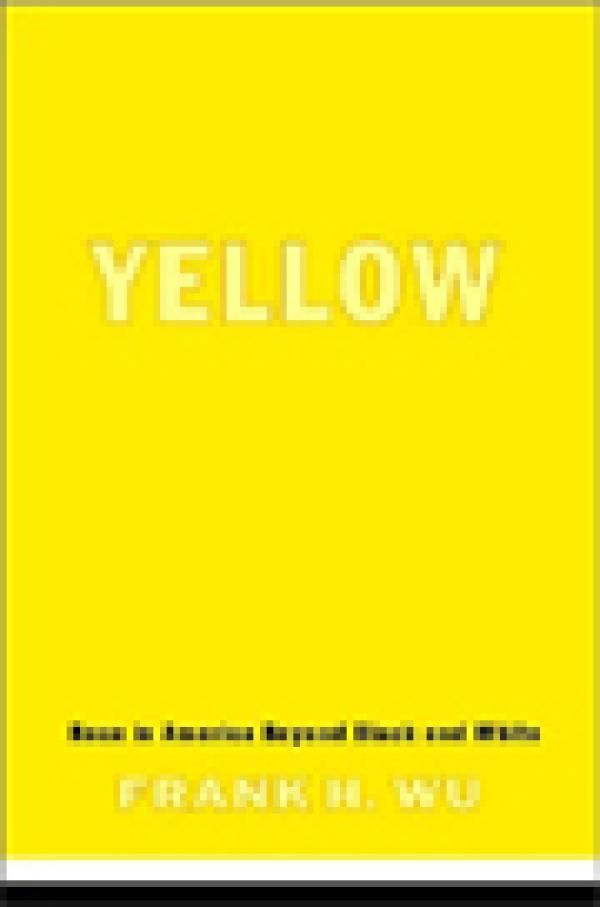
This explosive book examines the current state of civil rights in the U.S. through the unique experiences of Asian Americans. In the tradition of W.E.B. Du Bois, Cornel West, and other public intellectuals who have confronted the "color line" of the twentieth century, journalist, scholar, and activist Frank H. Wu offers a unique perspective on how changing ideas of racial identity will affect race relations in the new century. Often provocative and always thoughtful, this book addresses some of the most controversial contemporary issues: discrimination, immigration, diversity, globalization, and the mixed race movement, introducing the example of Asian Americans to shed new light on the current debates. Mixing personal anecdotes, social science research, legal cases, history, and original journalistic reporting, Wu tackles Asian American stereotypes like "the model minority" and "the perpetual foreigner," and shows how these seemingly innocuous concepts have harmed individuals and damaged relations between communities. By offering new ways of thinking about race in American society, Wu's work challenges us to make good on our great democratic experiment. (From the Publisher)