Resources
This Forum collects the papers presented at a 2010 panel at the Society of Biblical Literature, an outcome of a Wabash Center funded grant project. The project examined the unique dimensions and experiences of teaching Biblical exegesis at the six historically black theological schools (HBTSs), including discussion of the unique needs of HBTS students and their communities, and appropriate learning goals and effective teaching practices for this context. None of the biblical studies faculty were prepared as graduate students for the unique challenges that they have encountered teaching at a HBTS, so they have all had to “learn on the job” how best to approach the unique needs of the student body. The brief statements collected here summarize the findings from the project, describe and analyze some effective teaching strategies, and offer suggestions for continuing the conversation.
Journal Issue. Full text is available online.
The best way to ensure that all of your students feel comfortable is to explore ways to foster an open, safe environment for all students, while learning more about the varied backgrounds and experiences that your students bring to your classroom.
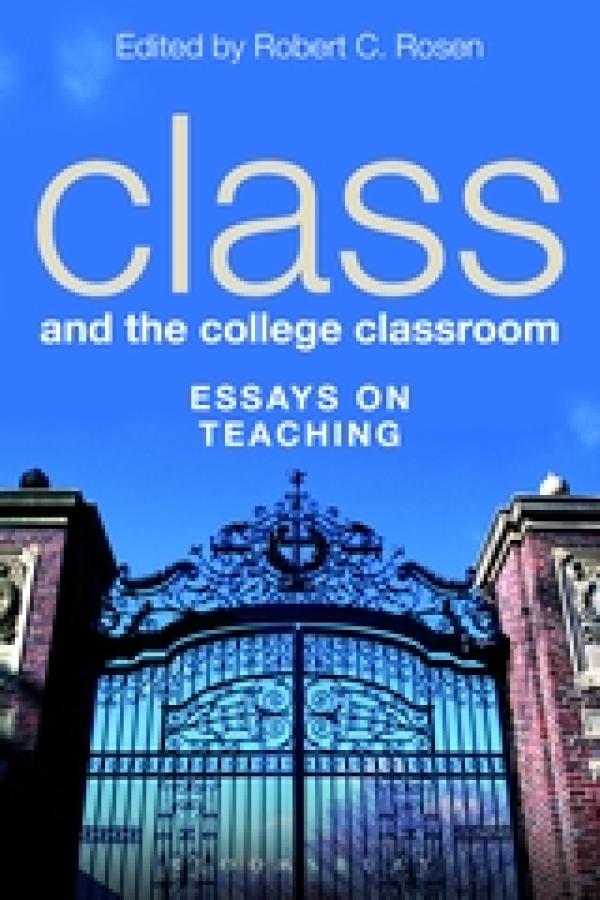
Click Here for Book Review Abstract: We have long been encouraged to look to education, especially higher education, for the solution to social problems, particularly as a way out of poverty for the talented and the hard working. But in its appointed role as the path to upward mobility that makes inequality more acceptable, higher education is faltering these days. As funds for public institutions are cut and tuition costs soar everywhere; as for-profit education races into the breach; and as student debt grows wildly; the comfortable future once promised to those willing to study hard has begun to fade from sight. So now is a good time to take a more serious look at the ways class structures higher education and the ways teachers can bring it into focus in the classroom. In recent decades, scholarly work and pedagogical practice in higher education have paid increasing attention to issues of race, class, gender, and sexuality.But among these four terms of analysis -- and clearly they are interrelated -- class is often an afterthought, and work that does examine class and higher education tends to focus only on admissions, on who is in the college classroom, not on what happens there. Class and the College Classroom offers a broader look at the connections between college teaching and social class.It collects and reprints twenty essays originally published in Radical Teacher, a journal that has been a leader in the field of critical pedagogy since 1975. This wide-ranging and insightful volume addresses the interests, concerns, and pedagogical needs of teachers committed to social justice and provides them with new tools for thinking and teaching about class. (From the Publisher)
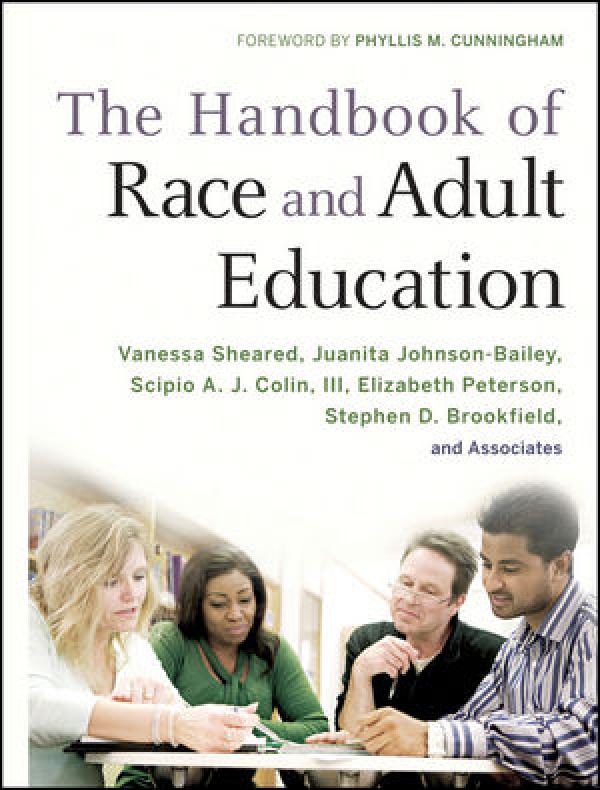
The Handbook of Race and Adult Education provides a discourse on the theory, the real-life experiences, and the structure of privileges within race and racism. Edited by leaders in this field, the unique resource presents ways for changes in classrooms, communities, and homes for marginalized or oppressed groups and individuals. As the first comprehensive resource on race, racism, and adult education, this book is essential for introductory level graduate students in understanding the complexity of race and racism in an educational context. (From the Publisher)
One page Teaching Tactic to diagnose the level of learning students' bring to a course.
Click Here for Book Review Abstract: Government initiatives in many countries emphasise social inclusion in higher education, resulting in a more diverse student population. This presents opportunities and challenges for academic and professional staff in managing and supporting these students. Managing and Supporting Student Diversity in Higher Education focuses on how students succeed amidst a culture of widening participation. The book is divided into seven chapters. The first introduces current literature and policies to present an international perspective on widening participation in higher education. The following five chapters present students’ stories on topics including getting into higher education, the international experience, coping with education later in life, and identity. Stories are followed by implications for management and support, and discussion topics for practitioners. The book concludes by looking at how students succeed in higher education and the implications for managing and supporting student diversity. (From the Publisher)
Video. A series of short (half hour) videos based on research on the perceived pedagogical challenges in intercultural/multicultural classrooms. Each video shows a before and after. None of it was rehearsed. Topics include team work, plagiarism, and office hours. Created by the Thompson Rivers University Center for Teaching and Learning.  
Nearly a hundred or more citations on the issue of students and plagiarism, especially with international students, compiled by Rebecca Moore Howard, Professor of Writing and Rhetoric at Syracuse University, and specialist in "authorship studies."
Magazine article-style discussion of the challenges and needs of first generation college students.