Resources
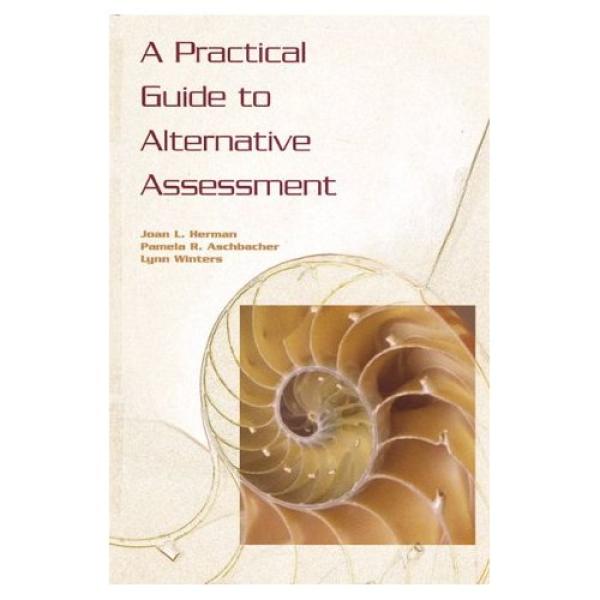
Joan Herman, Pamela Aschbacher, and Lynn Winters offer cogent guidance on the creation and use of alternative measures of student achievement. They present a systemic and iterative process model that links assessment with decisions affecting curriculum and instruction, according to developmental theories of learning and cognition. The authors review the purposes of assessment and provide a substantive rationale for alternative structures. The heart of the book is the illumination of several key assessment issues that reaffirm our knowledge that assessment tasks must be informed by the most important elements of instructional practice. Includes sample forms and figures to help readers begin revamping their assessment programs. (From the Publisher)
This book shows college administrators, deans, department heads, and faculty development professionals how to improve the instructional performance of faculty members. It offers strategies for overcoming resistance and motivating faculty members to improve their teaching--and identifies the resources, activities, and services that will help them to succeed. (From the Publisher)
Susan Toohey focuses not on teaching techniques but on the strategic decisions which must be made before a course begins. She provides realistic advice for university and college teachers on how to design more effective courses without underestimating the complexity of the task facing course developers. In particular, she examines fully the challenges involved in leading course design teams, getting agreement among teaching staff and managing organizational politics. (From the Publisher)
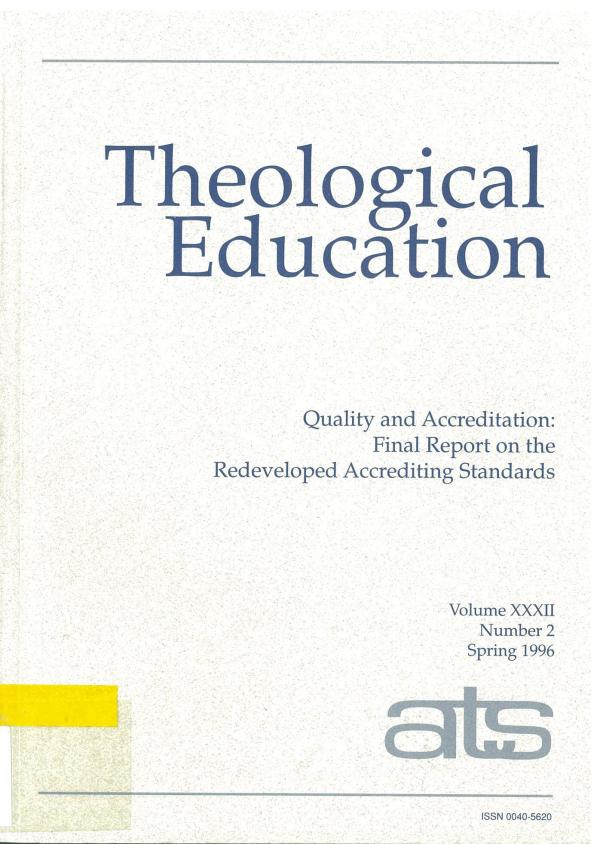
Journal Issue. Full text is available online.
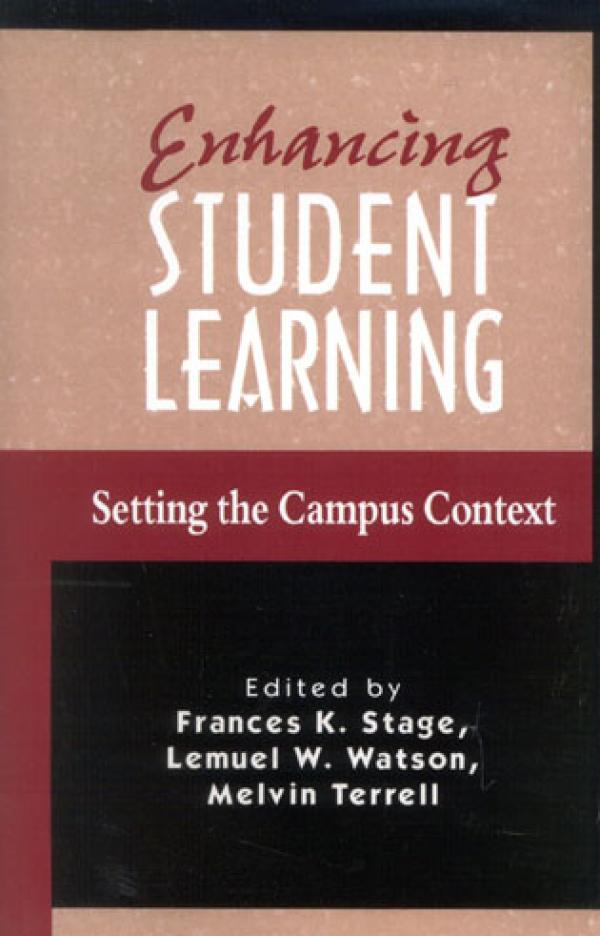
In this important volume, the authors focus on the connections between academic learning and student affairs. Beginning with the premise that academic learning is a critical part of the overall personal development of each student, the authors show how student affairs professionals can work in harmony with their academic colleagues to create a campus milieu that is truly conducive to that development. Such a milieu would offer a rich array of social, athletic, academic, and artistic events, all of which would enrich, enhance, and give deeper meaning to the learning that occurs in the classroom. With its emphasis upon partnership building and interdisciplinary collaboration, this work will be extremely useful to student affairs professionals, college administrators, and faculty members as they work together to design courses and programs that will optimize student learning. Co-published with American College Personnel Association. (From the Publisher)
Along the fault line of public education and conservative religious beliefs, this break-through volume explores five curriculum arenas that have been "ground zero" in community debate—science and human evolution, textbook selection, sexuality instruction, character development, and outcome-based education. Curriculum, Religion, and Public Education will assist educators, parents, and community leaders in crossing boundaries to communicate with "the others," and in the process transform schools—and ourselves. (From the Publisher)
This book provides a brief history of the most recent wave of assessment in higher education, particularly focused on the faculty role in assessment. It traces major conceptual, methodological, political and policy advances in assessment over the past decade. The authors suggest some ways of thinking about assessment, strategies, and next steps which they view as necessary for more clearly envisioning assessment as a faculty role. (From the Publisher)
Assessment Clear and Simple is "Assessment 101" in a book -- a concise, step-by-step guide written for everyone who participates in the assessment process. This practical book helps to make assessment simple, cost-efficient, and useful to the institution, while at the same time meeting the requirements of accreditation agencies, legislatures, review boards, and others. Assessment Clear and Simple can help your institution employ assessment as a powerful instrument for improvement and provide a basis for wiser planning, budgeting, and change in curriculum, pedagogy, staffing, programming, and student support. (From the Publisher)
This book identifies optimal practices or "benchmarks" for creating a quality learning environment within higher education and outlines steps faculty and administrators can take to improve student learning. Author Janet Donald integrates extensive research on teaching and learning with findings from her in-depth interviews with faculty and administrators at four of America's premier research institutions. She focuses on key factors influencing learning, identifies practices and policies central to effectiveness, and offers timely and feasible solutions for meeting student learning challenges. Using the voices of faculty, administrators, and members of higher education centers, Donald investigates institutional missions and priorities. She examines how learning goals vary across the disciplines and what this means in terms of student outcomes. She also describes practices that support the improvement of teaching and she discusses classroom assessment techniques that measure learning and teaching. Donald examines student selection and access - especially questions of quality and diversity - and discusses how to foster motivation for learning. In addition, she provides strategies for recognizing teaching in tenure and reward systems and points out the importance of academic leadership. (From the Publisher)
Designing and Assessing Courses and Curricula reflects the best current knowledge and practice in course and curriculum design and connects this knowledge with the critical task of assessing and learning outcomes at both course and curricular levels. Tested and refined through long-term use and study, the change model presented in this book shows how to move from concept to actualization, from theory to practice. (From the Publisher)