Resources

Click Here for Book Review Abstract: Out of over 40 years of experience in adult or worker education, David Greene brings us tools to develop consciousness and leadership for social change. Based on the power of our huge working class to understand this economic system and to organize, this book aims to empower educators, students and other workers with science applied to solving the serious social problems we face today. We are confronted with the issues of low-wage, part-time and temporary jobs, inadequate housing, health care, and transportation, inequality and injustice, at the same time as the greatest concentration of wealth in human history. The disparity of wealth and control has never been greater. The only way out of this deepening crisis is through education. To change this we need understanding that is based on the clearest reflection of the real world. Unfit to Be a Slave employs the tools of theory and informed practice, to guide us to create spaces to share experience, study history’s lessons and develop consciousness. As a collective and organized force we can transform our communities, our countries and our world. Mythologies that tell people, ‘Things don’t change,’ ‘We can’t do anything,’ or ‘It has always been this way,’ prevent poor and working class populations from taking necessary action on behalf of their own lives and families. Unfit to Be a Slave is meant to be a guide to education for social change. (From the Publisher)
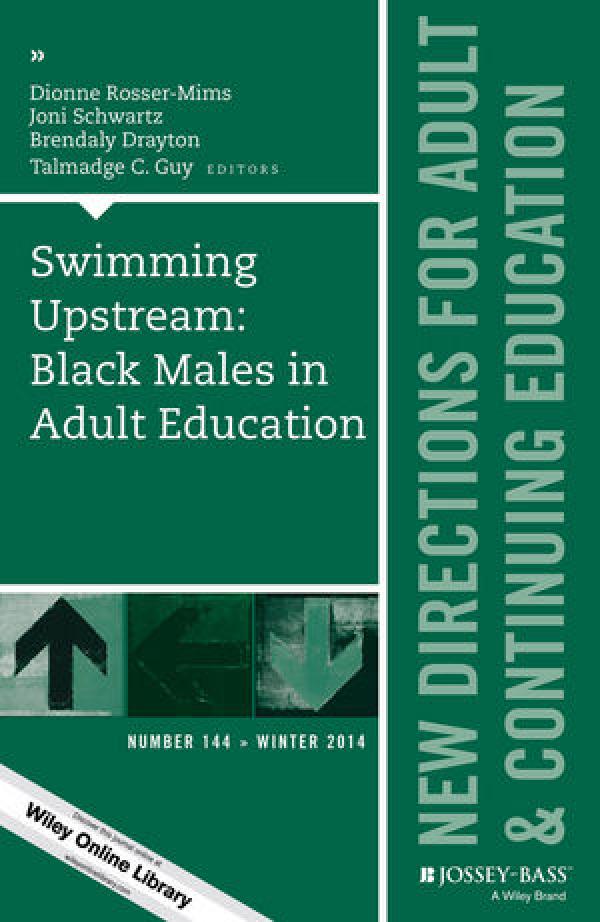
Click Here for Book Review Abstract: Here is an introduction to salient topics and issues affecting Black males as they engage in adult basic education programs, pursue employment, and obtain higher education. The chapters include academic research as well as program descriptions and personal narratives with a concern for the “lived experiences” and the voices of the men. While not exhaustive, this volumne does hope to challenge commonly held stereotypes, interactions, and policies. It is designed to raise questions about the unique experiences of this specific population and to explore the sociocultural dynamics that impact their education. This is the 144th volume of the Jossey Bass series New Directions for Adult and Continuing Education. Noted for its depth of coverage, it explores issues of common interest to instructors, administrators, counselors, and policymakers in a broad range of education settings, such as colleges and universities, extension programs, businesses, libraries, and museums. (From the Publisher)
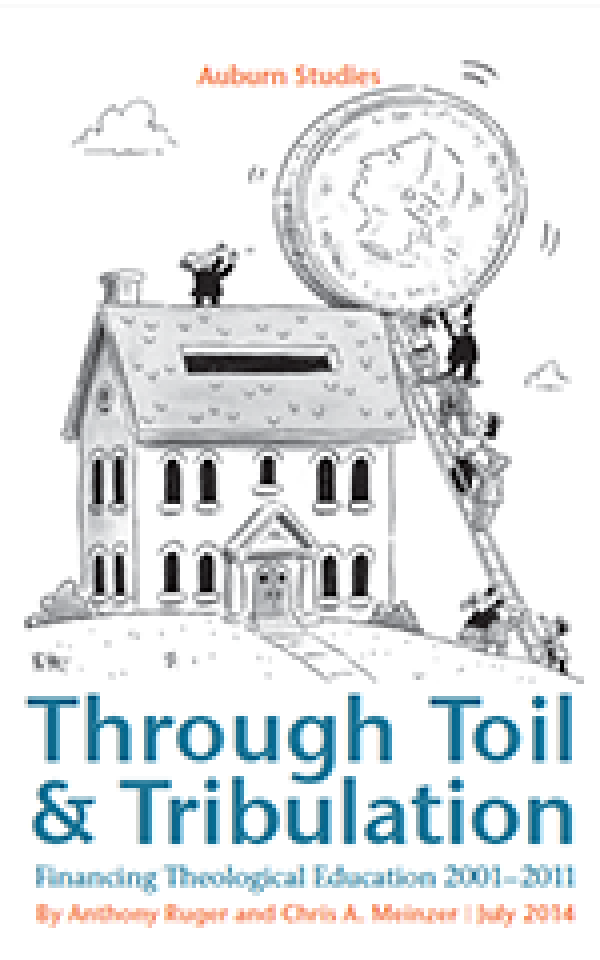
Revenues and expenditures of schools are analyzed for this ten year period. Enrollment trends, including extension sights and distance education, are reviewed. Qualitative factors that contribute to financial stability are examined, including findings from six schools whose financial performance was remarkably consistent and solid for this decade. (From the Publisher)
Click Here for Book Review Abstract: Learning transfer is the use of skills and knowledge acquired in one situation or setting in a different environment. It is, fundamentally, the point of education. By consciously building it into our curricula, syllabi, and practice, we can greatly enhance the likelihood that students will integrate their learning and their lives. This issue examines learning transfer across the breadth of adult education. The authors approach the question practically, looking at techniques such as experiential or problem-based learning and the use of classroom technology as well as the perspectives of brain research, the effects of race and culture, and the context and complications of personal change. Each chapter offers practitioners a thoughtful outlook that will help them plan for and implement learning transfer in their particular area of focus. This is 137th volume of the Jossey-Bass quarterly report series New Directions for Adult and Continuing Education. Noted for its depth of coverage, it explores issues of common interest to instructors, administrators, counselors, and policymakers in a broad range of adult and continuing education settings, such as colleges and universities, extension programs, businesses, libraries, and museums. (From the Publisher)
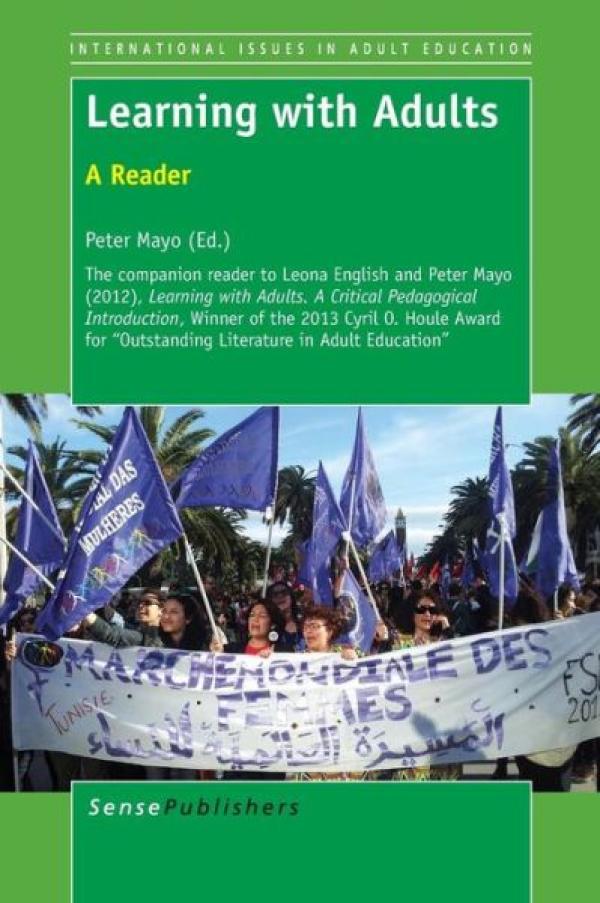
Click Here for Book Review Abstract: This anthology brings together some of the finest writers on different aspects of adult education and related areas to provide a complementary reader to the introductory text by Leona English and Peter Mayo Learning with Adults: A Critical Introduction. Areas tackled include Disability, Prisons, Third Age Universities, Lifelong Learning Policy, Learning Society, Poverty, LGBTQ, Sport, Women, Literacy, Transformative Learning, Community Arts, Aesthetics, Consumption, Migration, Libraries, Folk High Schools, Adult Education Policy, Subaltern Southern Social Movements, Social Creation, Community Radio, Social Film. Contexts focused on include Africa, Caribbean, Europe, Latin America, Asia (India), small island states. Over thirty authors involved including Zygmunt Bauman, Rosa Maria Torres, Oskar Negt, Antonia Darder, Jim Elmborg, D. W. Livingstone, Palle Rasmussen, Mae Shaw, Leona English, Asoke Bhattacharya, Cynthia L. Pemberton, Eileen Casey White, Daniel Schugurensky, Dip Kapoor, Peter Rule, John Myers, Joseph Giordmaina, Antonia De Vita, Alexis Kokkos, Marvin Formosa, Carmel Borg, Julia Preece, Patricia Cranton, Lyn Tett, Ali A. Abdi, Anna Maria Piussi, Behrang Foroughi, Taadi Ruth Modipa, Robert Hill, Edward Shiza, Kaela Jubas and Didacus Jules. (From the Publisher)
Your hands-on guide to teaching adults. . . no matter what the subject In this expanded edition of How to Teach Adults, Dan Spalding offers practical teaching and classroom management suggestions that are designed for anyone who works with adult learners, particularly new faculty, adjuncts, those in community colleges, ESL teachers, and graduate students. This reader-friendly resource covers all phases of the teaching process from planning what to teach, to managing a classroom, to growing as a professional in the field. How to Teach Adults can guide new instructors who are trying to get up to speed on their own or can help teacher trainers cover what their students need to know before they get in front of a class. It is filled with down-to-earth tips and checklists on such topics as connecting with adult students, facilitating discussions, and writing tests, plus everything you need to remember to put into your syllabus and how to choose the right textbook. Dan Spalding reveals what it takes to teach all students the skills they need to learn, no matter what the topic or subject matter. Full of vivid examples from real-world classrooms, this edition: Shows how to get started and tips for designing your course Includes information for creating a solid lesson plan Gives suggestions for developing your teacher persona How to Teach Adults offers the framework, ideas, and tools needed to conduct your class or workshop with confidence. (From the Publisher)
Students usually begin their path to theological or rabbinical school long before they first appear on the radar of most schools. They have been nurtured along the way by parents and professors, churches and clergy, and their interest in ministry often begins at an early age. Recruiting the best students for the future will require long-term strategies and major investment on the part of the seminaries, denominations, and religious communities. Theological Student Enrollment: A Special Report from the Auburn Center for Study of Theological Education is a companion piece to this report. (From the Publisher)
Great site that advocates for non-traditional students
Describes different generational groupings of adult learners and different learning preferences. Provides suggestions on effective course design and highlights characteristics of excellent instructors across generational lines.
One challenge in teaching is designing a learning environment for students who span multiple generations. I’ll focus on this challenge in two blog posts. This first post will look more closely at “non-traditional” or “adult” learners as a demographic group, and suggest ways to support them in our classes. The second post will look at the so-called generational differences between students of different ages. Across both posts, I’ll include cautions for classifying students into neatly defined categories and suggest some strategies for supporting the learning of all students.