Blogs
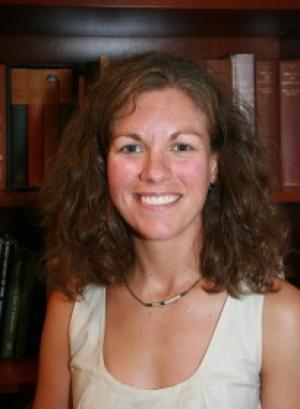
Molly Bassett Associate Professor of Religious Studies Georgia State University “If I wanted to write, I would have taken an English class.” – Anonymous in my intro course Looking back I’ll admit that it was more last straw than “Aha!” In fact, I’m sure there were times when analogous thoughts...
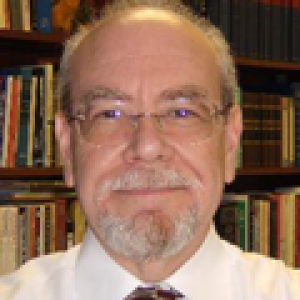
One of the biggest liabilities for leaders in any system, including deans, is blind spots. Blind spots can be the result of personal bias, or of having inaccurate or insufficient information. When leaders fail to have a systemic perspective, 360...
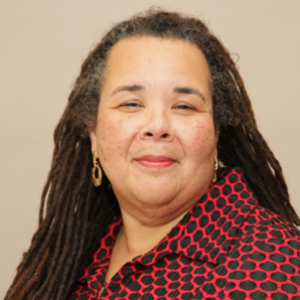
Nancy Lynne Westfield Associate Professor of Religious Education Drew Theological School The gaze. eager sparkle – happy batting of lashes – signaling “…go!”; cautious, diverted looks – at the floor or just “away”— ….no!-- down caste/mostly shut eyes, maybe even the downright defiant stare – fixed & cocked….Occasionally the gawk.
Molly Bassett Associate Professor of Religious Studies Georgia State University In her introduction to Animals in the Four Worlds: Sculptures from India (1989), Wendy Doniger observes that animals and gods inhabit the borderlands of human communities, and as I mention in a piece for Religious Studies News, this notion frames...
Nancy Lynne Westfield Associate Professor of Religious Education Drew Theological School Though this particular meeting of the Academic Standing Committee was five or six years ago, my memory of a request as filed by a student yet lingers. Bonnie, not her real name, was petitioning for a grade change from..
Dr. Molly Bassett Associate Professor of Religious StudiesGeorgia State University “Timeliness is next to cleanliness and godliness; we don’t want to waste a minute. Plus, I’ve been looking forward to this moment since at least January, and it was hard to sleep a week ago.” That’s how we began..
One of my favorite cartoons depicts a bowling pin on a psychiatrist's coach. There is a diploma on the wall, a plant in the corner, and a therapist with notepad sitting behind the disconcerted bowling pin character. The caption has...
Nancy Lynne Westfield Associate Professor of Religious Education Drew Theological School Baby Suggs, holy, is an enslaved, woman in the novel Beloved, by Toni Morrison. In the passage cited below, Baby Suggs, holy is preaching in the woods on a Saturday afternoon. Baby Suggs, holy stands on a huge flat-sided.
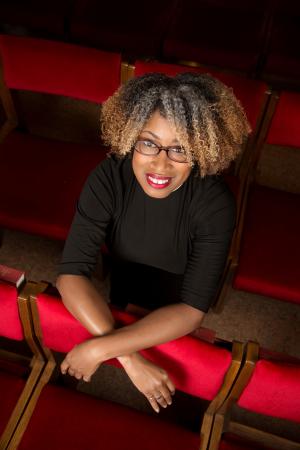
Wil Gafney Associate Professor of Hebrew Bible Brite Divinity School When and where I enter, in the quiet, undisputed dignity of my womanhood, without violence and without suing or special patronage, then and there the whole Negro race enters with me. Anna Julia Cooper Student enters. Looks at me, looks at other students, looks back at me. Is this room 101? Looks at me, looks at other students, looks back at me. Is this Hebrew? Looks at me, looks at other students, looks back at me. Are you teaching it? There is no place that race is not present and...
Dr. Molly Bassett Associate Professor of Religious Studies Georgia State University By the time you read this, I will have met the students in “Religious Dimensions in Human Experience: Between Animals and Gods.” In this completely redesigned dual-level (grad/undergrad) course, we will explore how people can know a single animal—the...
Categories
Write for us
We invite friends and colleagues of the Wabash Center from across North America to contribute periodic blog posts for one of our several blog series.
Contact:
Donald Quist
quistd@wabash.edu
Educational Design Manager, Wabash Center
Most Popular

Why I Talk to My Students Every Semester About Gender Bias in Teaching Evaluations
Posted by Gabrielle Thomas on January 13, 2026
Reading for Orpah: Rethinking the Bible’s Marginal Characters (Part One)
Posted by Laura Carlson Hasler on September 22, 2025
Plagiarism as Gaslighting in the Time of Artificial Intelligence
Posted by Brian Hillman on September 8, 2025
On Being Neighbored
Posted by Nancy Lynne Westfield, Ph.D. on May 1, 2026
Teaching Buddhism, Mindfulness, and Whiteness
Posted by Anna Lännström on April 7, 2025