Resources
Cláudio Carvalhaes Associate Professor McCormick Theological Seminary In memory of William Klug and Ioan Petru Culianu Pedagogies are concerned with the study and practice of teaching and learning. Pedagogies are ways of organizing society as it has to do with ways of thinking and valuing life, shaping emotions, defining sense,
Caleb Elfenbein Assistant Professor Grinnell College Don’t we all have moments when we want to, or perhaps feel like we should, set aside a class session plan in lieu of discussing a pressing event or development? Despite the vast array of subjects that we teach within the broader field of..
Tat-siong Benny Liew Class of 1956 Professor in New Testament Studies College of the Holy Cross [O]ne thing above all—to step to one side, to leave … spare moments, to grow silent, to become slow—the leisurely art of the goldsmith applied to language: an art which must carry out slow
Theological school deans are not just theological leaders for their institution, they must be EDUCATIONAL leaders. That is, they must implement sound educational practices related to curriculum, instruction, supervision, assessment, and administration. There is a variety of ways to assess...
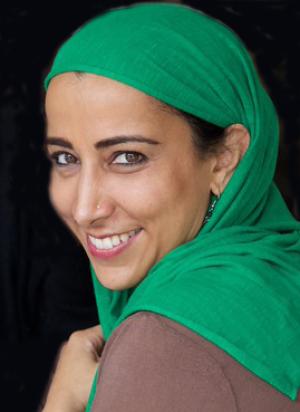
Najeeba Syeed-Miller Assistant Professor Claremont School of Theology In my last entry, I made curricular suggestions on teaching Islam and pluralism. The curricular suggestions continue as follows: Juristic Approaches to Diversity Ethics of Disagreement: This method is an internal modality for dissent for scholars of Islam who developed a systematized..
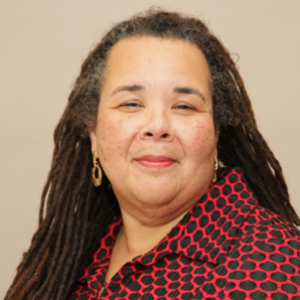
Nancy Lynne Westfield Associate Professor of Religious Education Drew Theological School Imagine this scenario: “YOU TOOK MY JESUS!” said the first-semester student who is feeling displaced, disoriented, disappointed and enraged while being overwhelmed, even defeated, by the unexpected convergence of seminary courses’ too dense readings along with the absence of.
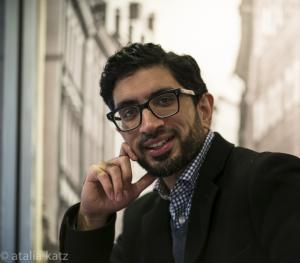
Youshaa PatelAssistant Professor of Religious Studies Lafayette College Today, Islam is paired with violence so often that these two concepts have become virtually synonymous. Conversations are often wedged between criticisms that Muslims are doing too much violence or not doing enough to stop it. Jihad, the Islamic keyword that.
Cláudio Carvalhaes Associate Professor McCormick Theological Seminary Last time we talked about the body in the classroom. Our body, my body, the bodies of my students, are all shaped by institutional bodies that carry values, marks, love, deceptions, commitments and history. Just as our bodies carry constructions of race, gender,
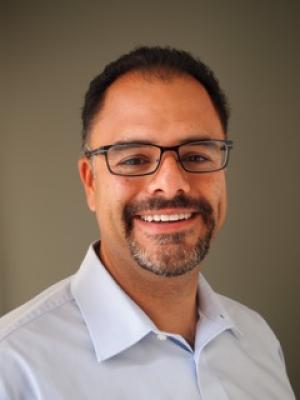
Edward E. Curtis, IV Millennium Chair of the Liberal Arts & Professor of Religious Studies Indiana University School of Liberal Arts at IUPUI (Indiana University - Purdue University, Indianapolis)For the past fifteen years I have tried to teach about Islam as a religiously diverse tradition practiced by communities around
Tat-siong Benny Liew Class of 1956 Professor in New Testament Studies College of the Holy Cross It is that time of the year. After weeks and months of class sessions and office hours, the spring semester is now over. There is, of course, something left for us teachers to do
Wabash Center Staff Contact
Rachelle Green, Ph.D.
Associate Director
Wabash Center
greenr@wabash.edu