Resources
Classroom instructors implementing pedagogical strategies for embodied learning about sexuality and religion need institutional support and assistance from colleagues and mentors to be successful. One means of providing institutional and peer support for classroom instructors is to host and lead a pedagogy workshop. Building on the work of Ott and Stephens on embodied learning and other articles and teaching tactics found throughout this issue of Teaching Theology and Religion, this article presents a sample design for a two-hour workshop with faculty and/or graduate teaching assistants on the topic of teaching sexuality and religion. Non-expert facilitators can lead this workshop and it is intended to start a conversation about pedagogy rather than to provide definitive answers to end the discussion. The goals are to demystify a taboo topic and to provide concrete strategies for teaching that will promote responsible engagement and a better-integrated learning experience for students.
This article provides two short responses to Kathleen M. Fisher's essay “Look Before You Leap: Reconsidering Contemplative Pedagogy,” published in this issue of the journal.
Click Here for Book Review Abstract: Scholars examining how women and people of color advance in academia invariably cite mentorship as one of the most important factors in facilitating student and faculty success. Contributors to this volume underscore the importance of supporting one another, within and across differences, as critical to the development of a diverse professoriate. This volume emphasizes and highlights: - the importance of mentorship; - policies, processes, and practices that result in successful mentoring relationships; - real life mentoring experiences to inform students, beginning faculty, and those who would be mentors; - evidence for policy makers about what works in the development of supportive and nurturing higher education learning environments. The guiding principles underlying successful mentorships, interpersonally and programmatically, presented here can have the potential to transform higher education to better serve the needs of all its members. This is the 171st volume of the Jossey-Bass quarterly report series New Directions for Higher Education. Addressed to presidents, vice presidents, deans, and other higher education decision makers on all kinds of campuses, it provides timely information and authoritative advice about major issues and administrative problems confronting every institution. (From the Publisher)
Click Here for Book Review Abstract: Faculty mentoring programs greatly benefit the institutions that have instituted them, and are effective in attracting and retaining good faculty. Prospective faculty members commonly ask about mentoring at on-campus interviews, and indicate that it is a consideration when choosing a position. Mentoring programs also increase the retention rate of junior faculty, greatly reducing recruitment costs, and particularly help integrate women, minority and international faculty members into the institution, while providing all new hires with an orientation to the culture, mission and identity of the college or university. The book provides step-by-step guidelines for setting up, planning, and facilitating mentoring programs for new faculty members, whether one-on-one, or using a successful group model developed and refined over twenty-five years by the authors. While it offers detailed guidance on instituting such programs at the departmental level, it also makes the case for establishing school or institutional level programs, and delineates the considerable benefits and economies of scale these can achieve. The authors provide guidance for mentors and mentees on developing group mentoring and individual mentor / protégé relationships – the corresponding chapters being available online for separate purchase; as well as detailed outlines and advice to department chairs, administrators and facilitators on how to establish and conduct institution-wide group mentoring programs, and apply or modify the material to meet their specific needs. For training and faculty development purposes, we also offer two chapters as individual e-booklets. Each respectively provides a succinct summary of the roles and expectations of the roles of Mentor and Mentee. Faculty Mentoring / Mentor Guide The booklets are affordably priced, and intended for individual purchase by mentors and mentees, and are only available through our Web site. (From the Publisher)
This 6 page essay from the Association of American Colleges & Universities (AAC&U) deals with the different levels of investing in faculty: preparing graduate students to be successful future faculty; supporting new faculty entering the college/university; the mentoring of faculty close to retirement who have invested their lives in the support of education. Publisher: Project Kaleidoscope
Click Here for Book Review Abstract: This book examines the intricacies of the doctoral educational process and delineates a process for continuous improvement that will shape and enhance better professional relationships between dissertation advisors and their advisees and cultivate opportunities for increased retention and graduation. The book includes critical principles, interwoven with students’ real life experiences which serve as illustrative vehicles. Moreover, its innovative approach – a book written for new advisors and their advisees or for seasoned advisors seeking new ways to communicate with their advisees – departs from other books that provide generally only a one-dimensional view, usually from the student’s perspective. The titles of many of these are couched in metaphors of survival and overcoming a threat, rather than centered in strong initiatives that will lead to timely graduation in a supportive and encouraging environment. This book offers innovative and pioneering leadership approaches to transport advisors and advisees to a successful outcome. (From the Publisher)
Click Here for Book Review Abstract: The death of a student, especially to gun violence, is a life-changing experience that occurs with more and more frequency in America’s schools. For each of these tragedies, there is a classroom and there is a teacher. Yet student death is often a forbidden subject, removed from teacher education and professional development classes where the curriculum is focused instead on learning about standards, lesson plans, and pedagogy. What can and should teachers do when the unbearable happens? An Empty Seat in Class illuminates the tragedy of student death and suggests ways of dealing and healing within the classroom community. This book weaves the story of the author’s very personal experience of a student’s fatal shooting with short pieces by other educators who have worked through equally terrible events and also includes contributions from counselors, therapists, and school principals. Through accumulated wisdom, educators are given the means and the resources to find their own path to healing their students, their communities, and themselves. (From the Publisher)
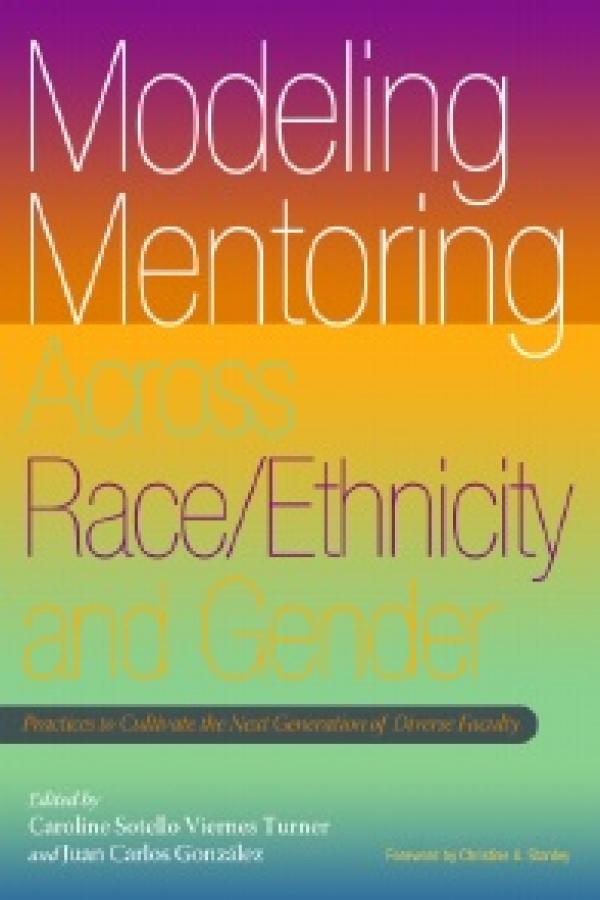
While mentorship has been shown to be critical in helping graduate students persist and complete their studies, and enter upon and succeed in their academic careers, the under-representation of faculty of color and women in higher education greatly reduces the opportunities for graduate students from these selfsame groups to find mentors of their race, ethnicity or gender. Recognizing that mentoring across gender, race and ethnicity inserts levels of complexity to this important process, this book both fills a major gap in the literature and provides an in-depth look at successful mentorships between senior white and under-represented scholars and emerging women scholars and scholars of color. Following a comprehensive review of the literature, this book presents chapters written by scholars who share in-depth descriptions of their cross-gender and/or cross-race/ethnicity mentoring relationships. Each article is co-authored by mentors who are established senior scholars and their former protégés with whom they have continuing collegial relationships. Their descriptions provide rich insights into the importance of these relationships, and for developing the academic pipeline for women scholars and scholars of color. Drawing on a comparative analysis of the literature and of the narrative chapters, the editors conclude by identifying the key characteristics and pathways for developing successful mentoring relationships across race, ethnicity or gender, and by offering recommendations for institutional policy and individual mentoring practice. For administrators and faculty concerned about diversity in graduate programs and academic departments, they offer clear models of how to nurture the productive scholars and teachers needed for tomorrow’s demographic of students; for under-represented students, they offer compelling narratives about the rewards and challenges of good mentorship to inform their expectations and the relationships they will develop as protégés. (From the Publisher)
Topics Covered: Make the Expectations and Criteria for Promotion Clear; Facilitate the Acquisition of Resources to Meet these Expectations; Give Frequent and Accurate Feedback; Reduce the Impediments to Progress towards Promotion