Resources
List of activities for mentors and mentees
We hold students accountable for academic integrity, but rarely offer acknowledgements in our own syllabi. Katherine D. Harris recommends that educators "Develop syllabus citations practices"; "Use Creative Commons licenses on syllabi"; and "Build an archive of remixable syllabi." Many linked examples and resources.
An independent professional development, training, and mentoring community of over 11,000 graduate students, post-docs and faculty members, dedicated to supporting academics in making successful transitions throughout their careers. Membership offers on-campus workshops, professional development and mentoring programs, discussion forums, newsletters, and resources
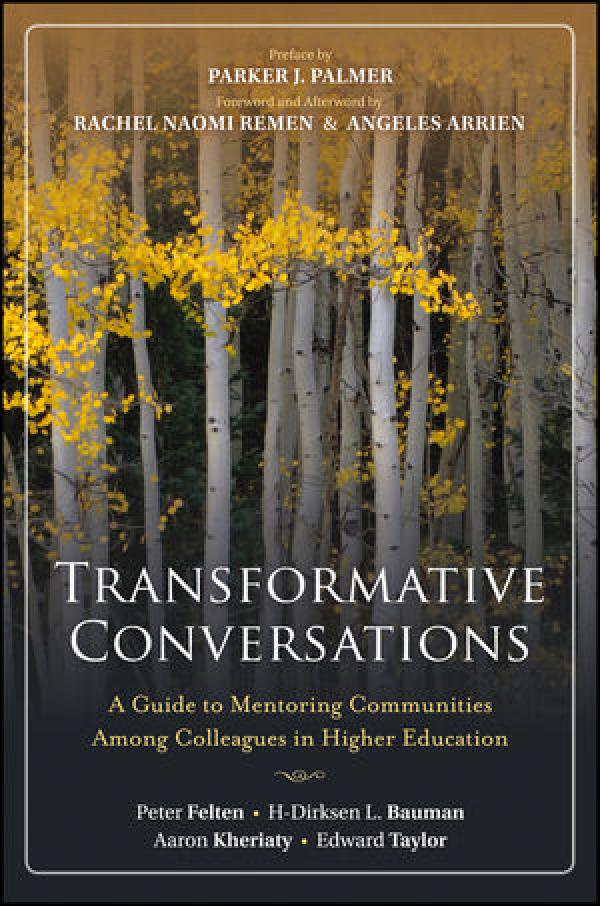
Click Here for Book Review Abstract: From the Inter-generational Mentoring Community project, which develops the next generation of academic leaders, comes formation mentoring, a process to enable faculty to recover, sustain, and further develop a sense of vocation, mission, and purpose. This book is a concise and practical guide to convening and sustaining these kinds of formation mentoring groups in higher education. It provides the necessary direction and structure to orient the process but is open-ended enough to apply across many settings and professional or educational disciplines. (From the Publisher)
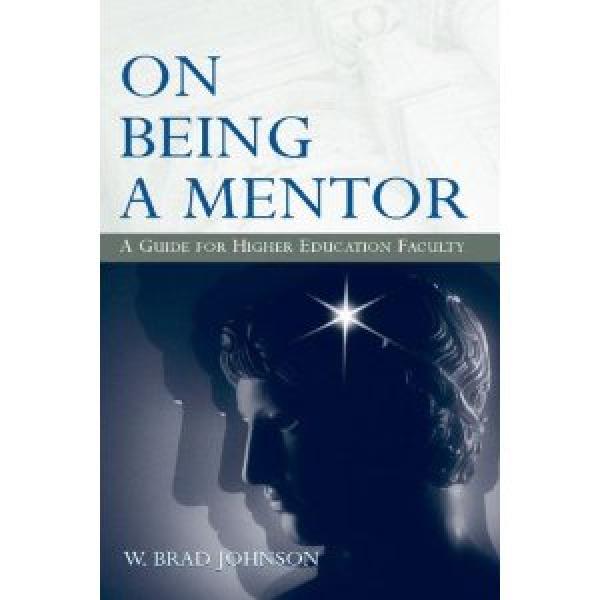
On Being a Mentor is the definitive guide for faculty in higher education who wish to mentor both students and junior faculty. It features strategies, guidelines, best practices, and recommendations for professors who wish to excel in this area. Written in a pithy style, this no-nonsense guide offers straightforward advice about managing problem mentorships and measuring mentorship outcomes. Practical cases studies, vignettes, and step-by-step guidelines illuminate the process of mentoring throughout. Other outstanding features include: *research-based advice on the rules of engagement for mentoring, mentor functions, qualities of good mentors, and methods for forming and managing student-faculty relationships; *summaries of the common mentoring relationship phases and guidance for adhering to ethical principles when serving as a mentor; *guidance about mentoring specific populations, including undergraduate and graduate students, faculty, and protégés who differ from the mentor in terms of sex and race; and *recommendations for department chairs and deans on how to foster an academic culture of mentoring. On Being a Mentor is intended for professors, department chairs, and deans in a variety of educational settings, including colleges, universities, and medical and law schools and is suitable for professors in all fields of study including the sciences, humanities, psychology, education, and management. (From the Publisher)
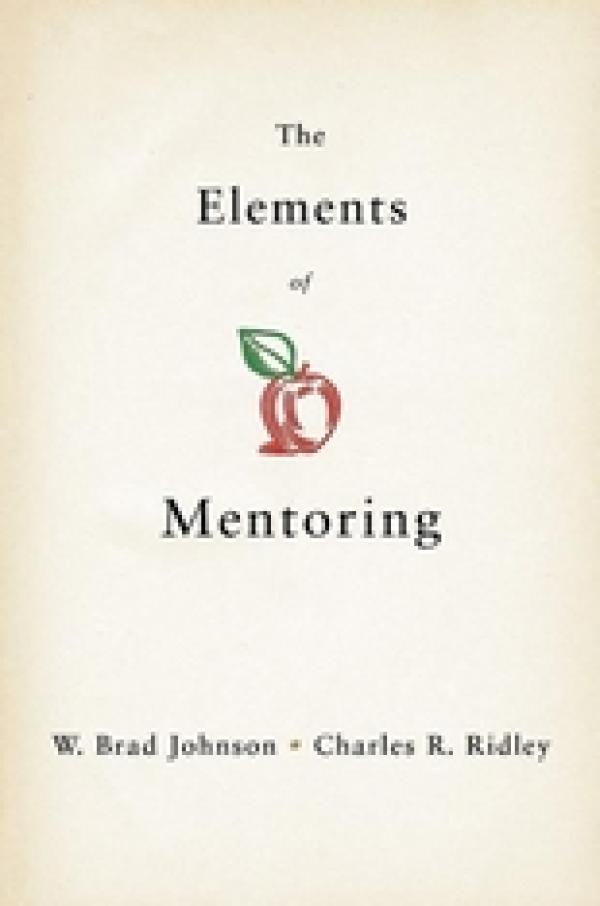
Patterned after Strunk and White's classic The Elements of Style, this new edition concisely summarizes the substantial existing research on the art and science of mentoring. The Elements of Mentoring reduces this wealth of published material on the topic to the sixty-five most important and pithy truths for supervisors in all fields. These explore what excellent mentors do, what makes an excellent mentor, how to set up a successful mentor-protégé relationship, how to work through problems that develop between mentor and protégé, what it means to mentor with integrity, and how to end the relationship when it has run its course. Succinct and comprehensive, this is a must-have for any mentor or mentor-to-be. (From the Publisher)
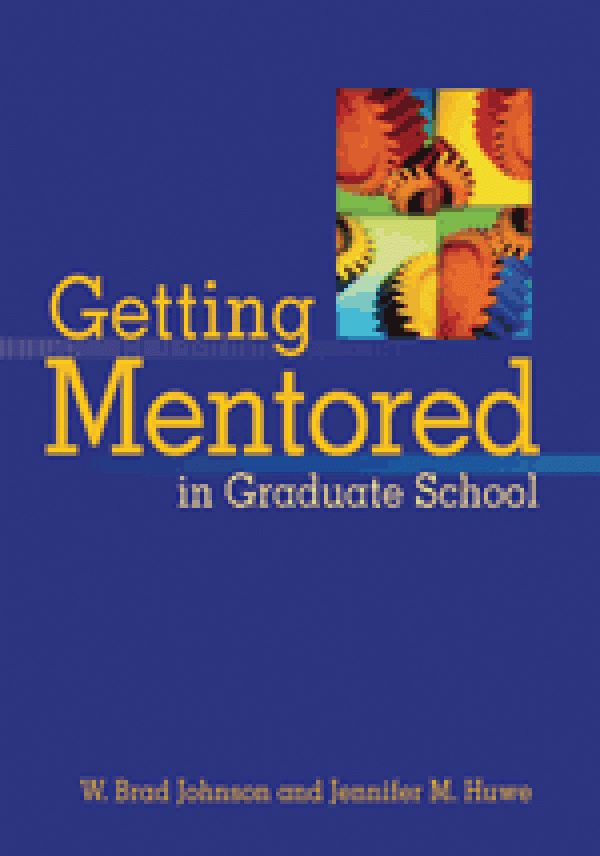
Getting Mentored in Graduate School is the first guide to mentoring relationships written exclusively for graduate students. Research has shown that students who are mentored enjoy many benefits, including better training, greater career success, and a stronger professional identity. Authors Johnson and Huwe draw directly from their own experiences as mentor and protégé to advise students on finding a mentor and maintaining the mentor relationship throughout graduate school. Conversational, accessible, and informative, this book offers practical strategies that can be employed not only by students pursuing mentorships but also by professors seeking to improve their mentoring skills. Johnson and Huwe arm readers with the tools they need to anticipate and prevent common pitfalls and to resolve problems that may arise in mentoring relationships. This book is essential reading for students who want to learn and master the unwritten rules that lead to finding a mentor and getting more from graduate school and your career. (From the Publisher)
Most courses in colleges and universities are taught by only one instructor. This is often necessitated by the financial exigencies of educational institutions, but is also due to an academic tradition in which the ideal is a single expert teaching in a single discipline. The rapidly changing realities of both the higher education and job markets, however, have called the traditional ideal into question. Interdisciplinary collaborative teaching is one way to adapt to the needs of twenty-first-century students, by modeling lifelong learning for students and inviting instructors to be more deliberately reflective about disciplinary assumptions, learning styles, and pedagogies.
The article discusses the emerging models of mentoring as a vital contribution to a successful academic career. Mentoring has been defined as one-to-one relationship win which an experienced faculty member guides and supports the career development of early-career faculty member and research on faculty development. The article highlights the faculty-development resources which were published since 2000 and offers fresh models, concepts and thinking on mentoring in higher education. The resources provides new conceptualizations of mentoring, recent studies on mentoring, faculty-development programs and practices, and issues on gender and race.
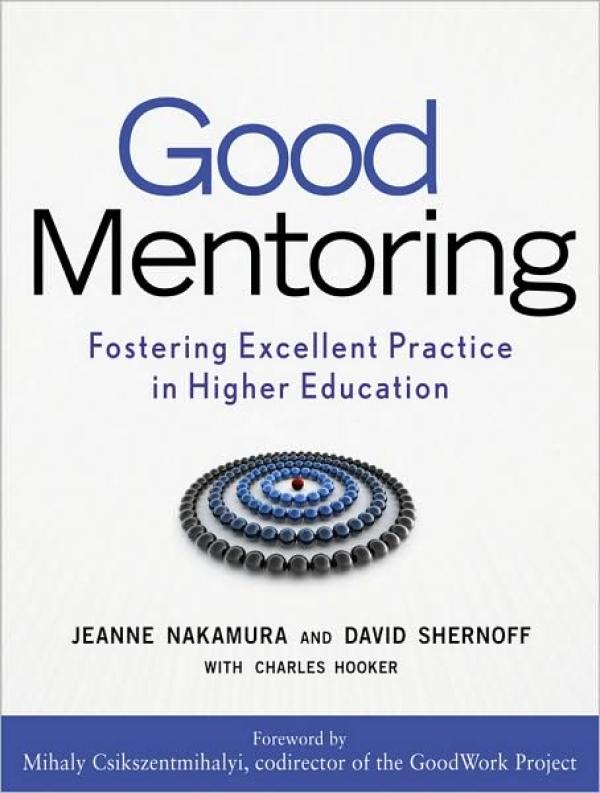
We pass on our traits through our genes but our cherished values, beliefs, and practices are transmitted through those units of meaning called memes. This remarkable book provides an authoritative account of how 'good work' endures in the sciences—and has profound implications for the quality of work across the professional landscape. This book should sow the seeds of greatness for protégés and mentors alike, and well beyond the discipline of science. Mentoring lineages are the hallmark of disciplines that endure and have impact, a reality that the authors powerfully communicate. Good Mentoring is a landmark study with implications for the continued vibrancy of any discipline. This is a fresh, eye-opening perspective on the social transmission of professional lineages. (From the Publisher)