Resources
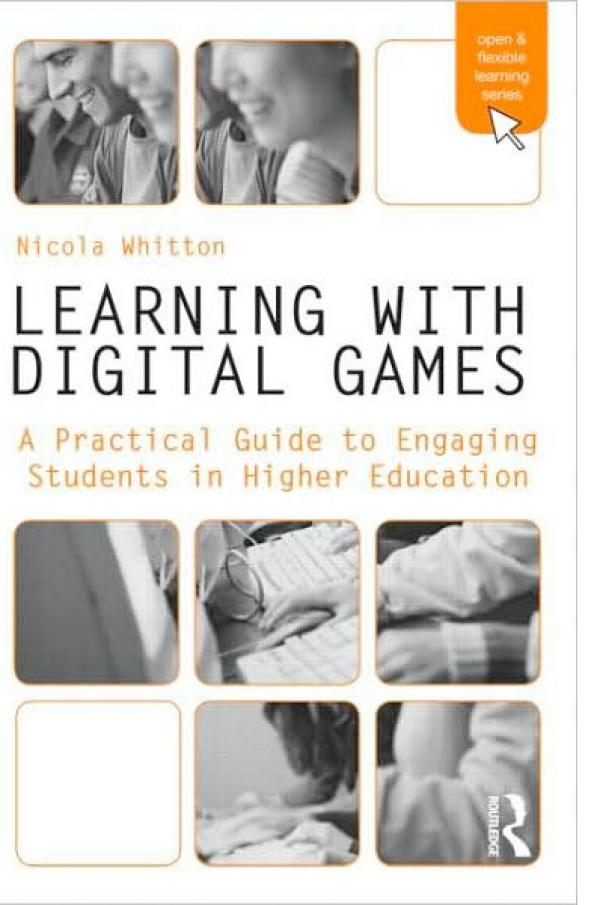
Written for Higher Education teaching and learning professionals, Learning with Digital Games provides an accessible, straightforward introduction to the field of computer game-based learning. Up to date with current trends and the changing learning needs of today’s students, this text offers friendly guidance, and is unique in its focus on post-school education and its pragmatic view of the use of computer games with adults. Learning with Digital Games enables readers to quickly grasp practical and technological concepts, using examples that can easily be applied to their own teaching. The book assumes no prior technical knowledge but guides the reader step-by-step through the theoretical, practical and technical considerations of using digital games for learning. Activities throughout guide the reader through the process of designing a game for their own practice, and the book also offers: A toolkit of guidelines, templates and checklists. Concrete examples of different types of game-based learning using six case studies. Examples of games that show active and experiential learning Practical examples of educational game design and development. This professional guide upholds the sound reputation of the Open and Flexible Learning series, is grounded in theory and closely links examples from practice. Higher Education academics, e-learning practitioners, developers and training professionals at all technical skill levels and experience will find this text is the perfect resource for explaining how to integrate computer games into their teaching practice. A companion website is available and provides up-to-date technological information,additional resources and further examples. (From the Publisher)
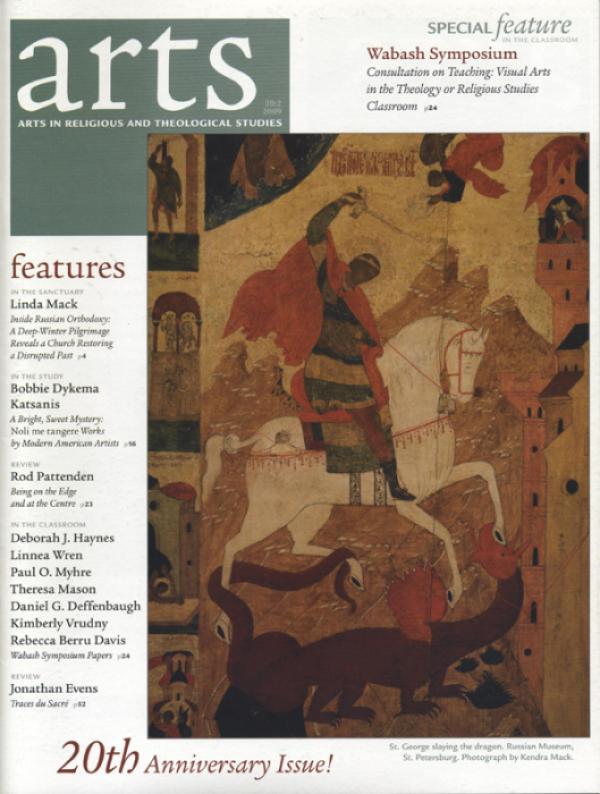
Journal Issue.
In a culture increasingly focused on visual media, students have learned not only to embrace multimedia presentations in the classroom, but to expect them. Such expectations are perhaps more prevalent in a field as dynamic and cross-disciplinary as religious studies, but the practice nevertheless poses some difficult educational issues — the use of movies in academic coursework has far outpaced the scholarship on teaching religion and film. What does it mean to utilize film in religious studies, and what are the best ways to do it? In Teaching Religion and Film, an interdisciplinary team of scholars thinks about the theoretical and pedagogical concerns involved with the intersection of film and religion in the classroom. They examine the use of film to teach specific religious traditions, religious theories, and perspectives on fundamental human values. Some instructors already teach some version of a film-and-religion course, and many have integrated film as an ancillary to achieving central course goals. This collection of essays helps them understand the field better and draws the sharp distinction between merely "watching movies" in the classroom and comprehending film in an informed and critical way. (From the Publisher)
This book is based on the argument that detailed and developmental formative feedback is the single most useful thing teachers can do for students. It helps to clarify the expectations of higher education and assist all students to achieve their potential. This book promotes student learning through formative assessment and feedback, which: * enables self-assessment and reflection in learning * encourages teacher-student dialogue * helps clarify what is good performance * provides students with quality information to help improve their learning * encourages motivation and self-confidence in students * aids the teacher in shaping teaching Underpinned by the relevant theory, the practical advice and examples in this book directly address the issues of how to motivate students to engage in formative assessment effectively and shows teachers how they can provide further useful formative feedback. (From the Publisher)
Designing and Assessing Courses and Curricula reflects the most current knowledge and practice in course and curriculum design and connects this knowledge with the critical task of assessing learning outcomes at both course and curricular levels. This thoroughly revised and expanded third edition of the best-selling book positions course design as a tool for educational change and contains a wealth of new material including new chapters, case examples, and resources. (From the Publisher)
On Teaching and Learning takes the ideas explored in renowned educator Jane Vella’s best-selling book Learning to Listen, Learning to Teach to the next level and explores how dialogue education has been applied in educational settings around the world. Throughout the book, she shows how to put the principles and practices of dialogue education into action and uses illustrative stories and examples from her extensive travels. Dialogue education values inquiry, integrity, and commitment to equity—values that are also central to democracy. Learners are treated as beings worthy of respect, recognized for the knowledge and experience they bring to the learning experience. Dialogue education emphasizes the importance of safety and belonging. It is an approach that welcomes one’s certainties and one’s questions. (From the Publisher)
Developing Learner-Centered Teaching offers a step-by-step plan for transforming any course from teacher-centered to the more engaging learner-centered model. Filled with self-assessments and worksheets that are based on each of the five practices identified in Maryellen WeimerÕs Learner-Centered Teaching, this groundbreaking book gives instructors, faculty developers, and instructional designers a practical and effective resource for putting the learner-centered model into action. (From the Publisher)
New lecturers, part-time teachers and graduate teaching assistants are often required to both deliver an existing course and design their own teaching based on a module description. But where do they start? Underpinned by sound theory, Designing Learning is a practical guide that aims to help busy professionals design, develop and deliver a course, from module outcome outline to effective teaching. Illustrated with useful checklists and action points, this book covers the essentials of designing learning: supporting and promoting student learning, matching content to outcomes, selecting effective teaching and learning methods, assessment that supports and promotes learning and provides feedback, learning materials and resources for diverse learners, C&IT tools and how to use them best, creating an inclusive learning environment, managing and evaluating your course, quality enhancement and assurance processes. Guided by principles of good practice and reflecting the educational research that underpins them, this book is essential reading for anyone new to teaching in higher education.(From the Publisher)
This book is a guide for the development and implementation of problem-based learning (PBL) in college-level courses. It provides practical advice from real professors, includes examples of PBL in action through every stage from problem development to implementation, and integrates cross-disciplinary experiences into the practice of PBL in the college classroom. Its nuts-and-bolts approach makes it valuable to faculty, graduate teaching assistants, and faculty development professionals interested in learning how to do PBL, as well as to those already using PBL who would like to learn more about what other practitioners do in their classrooms. Readers will learn what really is and isn’t PBL and why some choose to use it, what is its effect on the learning landscape, and how to overcome tricky issues such as class size, student resistance, controlling classroom chaos, conservative colleagues, assessment, and student evaluations. Extensive examples and resources for further study are included, making it a concise, yet comprehensive guide to launching a successful problem-based learning course on your own. (From the Publisher)
When it was first published in 1997, The Course Syllabus became the gold standard reference for both new and experienced college faculty. Like the first edition, this book is based on a learner-centered approach. Because faculty members are now deeply committed to engaging students in learning, the syllabus has evolved into a useful, if lengthy, document. Today's syllabus provides details about course objectives, requirements and expectations, and also includes information about teaching philosophies, specific activities and the rationale for their use, and tools essential to student success. (From the Publisher)