Resources
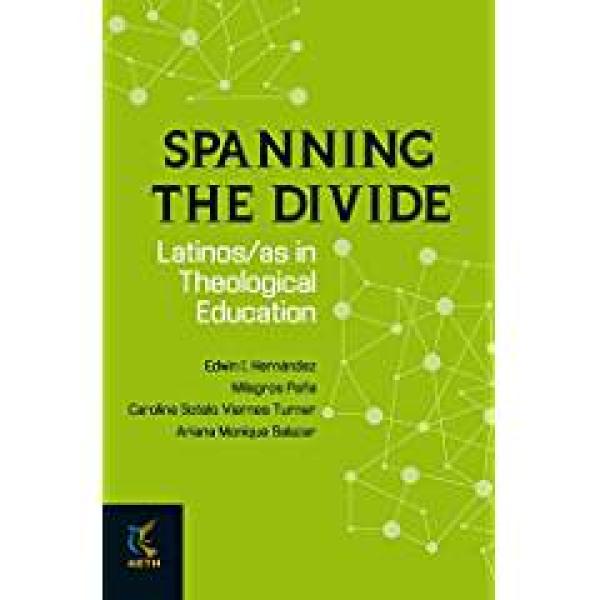
Click Here for Book Review This book provides a detailed look at the current state of Latino/a theological education in the United States. This includes consideration of the career development and opinions of Latinos/as in seminary education, as well attention to other important modes of Latino/a theological education, like non-degree programs and Hispanic-serving organizations like the HTI and HSP. Another goal of this project was to make recommendations for ways in which schools of theology can do a better job preparing the next generation of Latino/a religious leaders to serve as bridge builders for the future. Thus, we paid special attention to how hospitable theological educational institus are to Hispanics. This book also offers recommendations on improving Latino/a recruitment, revamping the curriculum and Hispanic ministry education, tending better to the sense of community on campuses, and so much more. (From the Publisher)
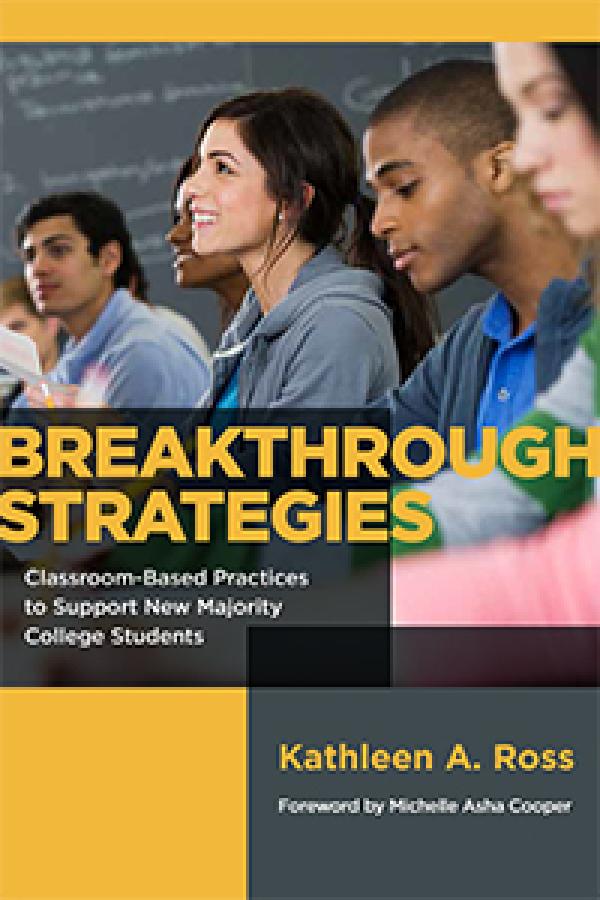
Click Here for Book Review Breakthrough Strategies identifies effective strategies that faculty have used to help New Majority students—those from minority, immigrant, or disadvantaged backgrounds—build the necessary skills to succeed in college. As the proportion of New Majority students rises, there is increased attention to helping them gain access to college. Once enrolled, however, these students often face significant challenges of adjustment, with few resources for support. Specifically, there is little attention to students’ experiences within their college classrooms and their relationships with professors. At the same time, faculty who work with these students have little guidance on how to help them adjust to new expectations and identities as they engage with college-level work. Sister Kathleen A. Ross, a MacArthur fellow and president emerita of Heritage University, has devoted three decades to helping New Majority students get college degrees. Based on an action-research project undertaken at Heritage University and Yakima Valley Community College in Washington State, the book highlights eleven strategies to encourage student success, including: asking questions in class; navigating the syllabus; and developing an academic identity. Written in a warm, down-to-earth voice, Breakthrough Strategies is infused with the belief that faculty can become a powerful resource for students, and that classroom instruction can be an important vehicle for supporting these students’ development and success. (From the Publisher)
Gain a greater understanding of the academic, cultural, and social experiences of first-generation college students (FGS). Fascinating, heart-touching, and important, the research and the stories presented here enlighten what FGS often have to overcome to successfully complete their degrees. With an emphasis on improving FGS' college success, retention, and graduation rates, this volume first covers common obstacles and the trend of FGS continuing on for graduate degrees. Section Two discusses the complex interplay of social, academic, emotional, and financial influences on academic performance. The chapters collectively affirm that the commitment of university resources is critical to college success. This is the 127th volume of the Jossey-Bass higher education quarterly report New Directions for Teaching and Learning, which offers a comprehensive range of ideas and techniques for improving college teaching based on the experience of seasoned instructors and the latest findings of educational and psychological researchers. (From the Publisher)

Daryl G. Smith has devoted her career to studying and fostering diversity in higher education. She has witnessed and encouraged the evolution of diversity from an issue addressed sporadically on college campuses to a reality of the modern university experience. In Diversity’s Promise for Higher Education, Smith brings together scholarly and field research relevant to the next generation of diversity work. The book argues that achieving excellence in a diverse society requires increasing the institutional capacity for diversity while simultaneously working to understand how diversity is tied to better leadership, positive change, research in virtually every field, student success, accountability, and more equitable hiring practices. To become more relevant to society, the nation, and the world while remaining true to their core missions, colleges and universities must continue to see diversity—like technology—as central, not parallel, to their work. In Diversity’s Promise for Higher Education, Smith proposes a set of clear and realistic practices that will help colleges and universities locate diversity as a strategic imperative and pursue diversity efforts that are inclusive of the varied—and growing—issues apparent on campuses without losing focus on the critical unfinished business of the past. In this edition, which is aimed at administrators, faculty, researchers, and students of higher education, Smith emphasizes a transdisciplinary approach to the topic of diversity, drawing on an updated list of sources from a wealth of literatures and fields. The tables have been refreshed to include data on faculty diversity over a twenty-year period and the book includes new information about gender identity, stereotype threat, student success, the growing role of chief diversity officers, the international emergence of diversity issues, faculty hiring, and implicit bias. (From the Publisher)
Click Here for Book Review Abstract: This exciting new text examines one of the most important and yet elusive terms in higher education and society: What do we mean when we talk in a serious way about “diversity”? A distinguished group of diversity scholars explore the latest discourse on diversity and how it is reflected in research and practice. The chapters trace how the discourse on diversity is newly shaped after many of the 20th century concepts of race, ethnicity, gender and class have lost authority. In the academic disciplines and in public discourse, perspectives about diversity have been rapidly shifting in recent years. This is especially true in the United States where demographic changes and political attitudes have prompted new observations - some which will clash with traditional frameworks. This text brings together scholars whose research has opened up new ways to understand the complexities of diversity in higher education. Because the essential topic under consideration is changing so quickly, the editors of this volume also have asked the contributors to reflect on the paths their own scholarship has taken in their careers, and to see how they would relate their current conceptualization of diversity to one or more of three identified themes (demography, democracy and discourse). Each chapter ends with a candid graduate student interview of the author that provides an engaged picture of how the authors wrestle with one of the most complicated topics shaping them (and all of us) as individuals and as scholars. Of interest to anyone who is following the debates about diversity issues on our campuses, the book also offers a wonderful introduction to graduate students entering a discipline where critically important ideas are still very much alive for discussion. (From the Publisher)
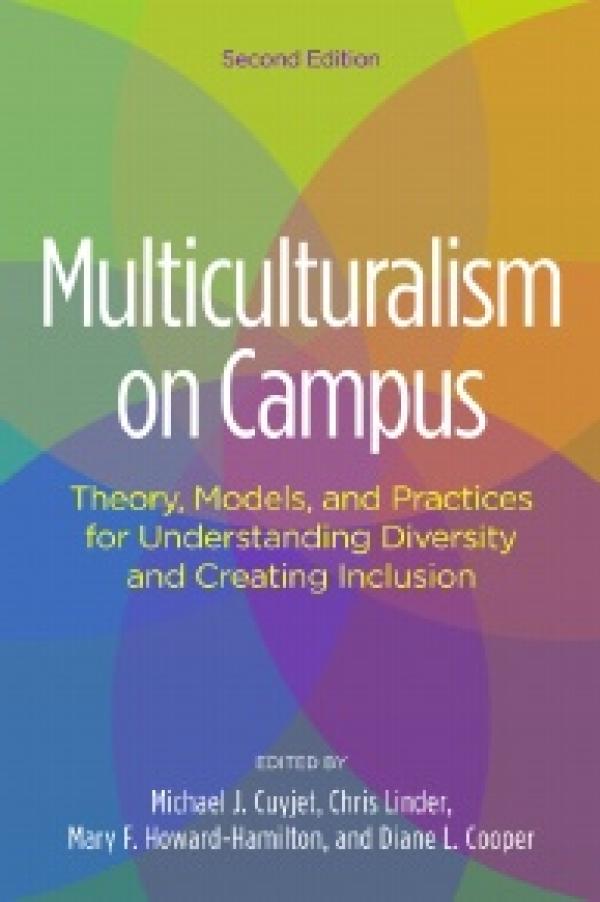
Click Here for Book Review The first edition of this book constituted a comprehensive resource for students of higher education, faculty, higher education administrators and student affairs leaders engaging with multiculturalism and diverse populations on college campuses. It was one of the first texts to gather in a single volume the related theories, assessment methods, and environmental and application issues pertinent to the study and practice of multiculturalism, while also offering approaches to enhancing multicultural programming and culturally diverse campus environments. This second edition retains the structure and vision of the first, introducing readers to the key theories and models for understanding the complexity of the students they serve, and for reflecting on their own values and motivations. It provides an array of case studies, discussion questions, examples of best practice, and recommendations about resources for use in the classroom. This edition includes a new chapter on intersectionality; updates several chapters, presents a number of new cultural frameworks and updated best practices for creating an inclusive environment for marginalized groups, and expands the third section of the book on cultural competent practice. (From the Publisher)
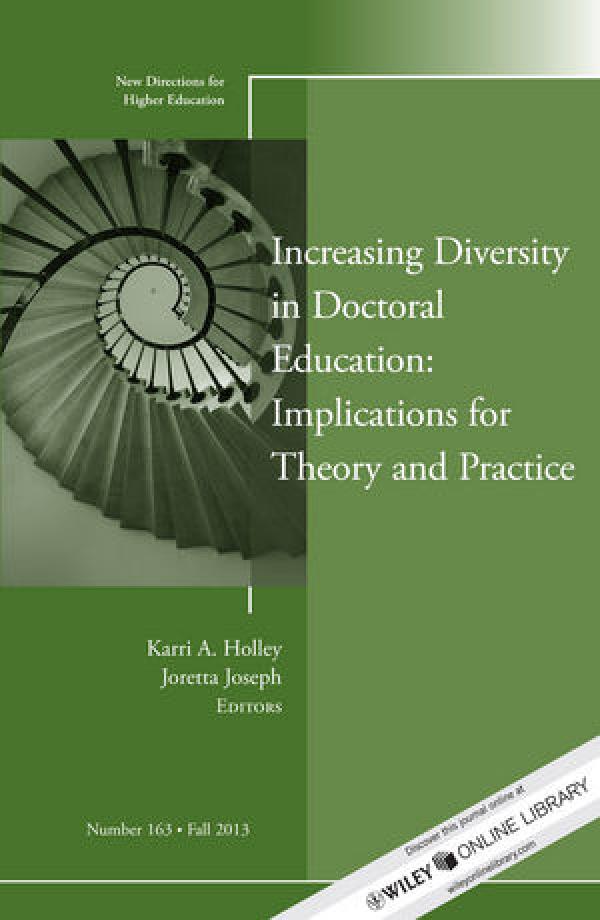
Diversity is defined as those numerous elements of difference between groups of people that play significant roles in social institutions, including (but not limited to) race and ethnicity, gender, socioeconomic class, sexual orientation, and culture. Since doctoral degree recipients go on to assume roles as faculty and educators, diversity in doctoral programs is significant. By supporting graduate diversity across the academic disciplines, universities ensure that the nation’s intellectual capacities and opportunities are fully realized. The authors consider diversity broadly from multiple perspectives, from race and ethnicity to institutional type, academic discipline, and national origin. They demonstrate how diversity operates through these venues and definitions, and hope to stimulate a conversation about a key aspect of American higher education. This volume is the 163rd volume of the Jossey-Bass quarterly report series New Directions for Higher Education. Addressed to presidents, vice presidents, deans, and other higher education decision makers on all kinds of campuses, New Directions for Higher Education provides timely information and authoritative advice about major issues and administrative problems confronting every institution. (From the Publisher)
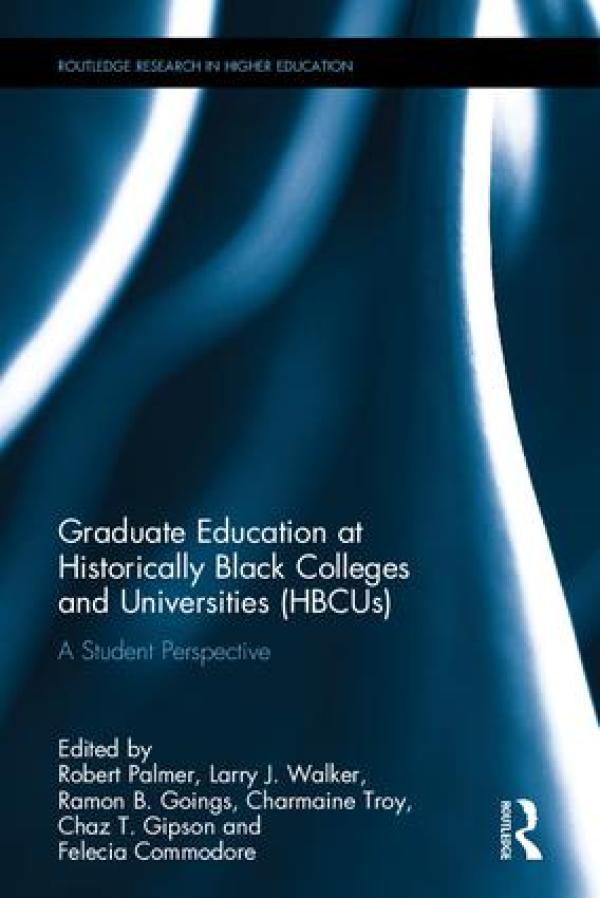
Highlighting the voices and experiences of Black graduate students at Historically Black Colleges and Universities (HBCUs), this book features the perspectives of students from a variety of academic backgrounds and institutional settings. Contributors discuss their motivation to attend an HBCU for graduate studies, their experiences, and how these helped prepare them for their career. To be prepared to serve the increasing number of Black students with access to graduate programs at HBCUs, university administrators, faculty, and staff require a better understanding of these students’ needs and how to meet them. Addressing some of today’s most urgent issues and educational challenges, this book expands the literature on HBCUs and provides insight into the role their graduate schools play in building a diverse academic and professional community. (From the Publisher)
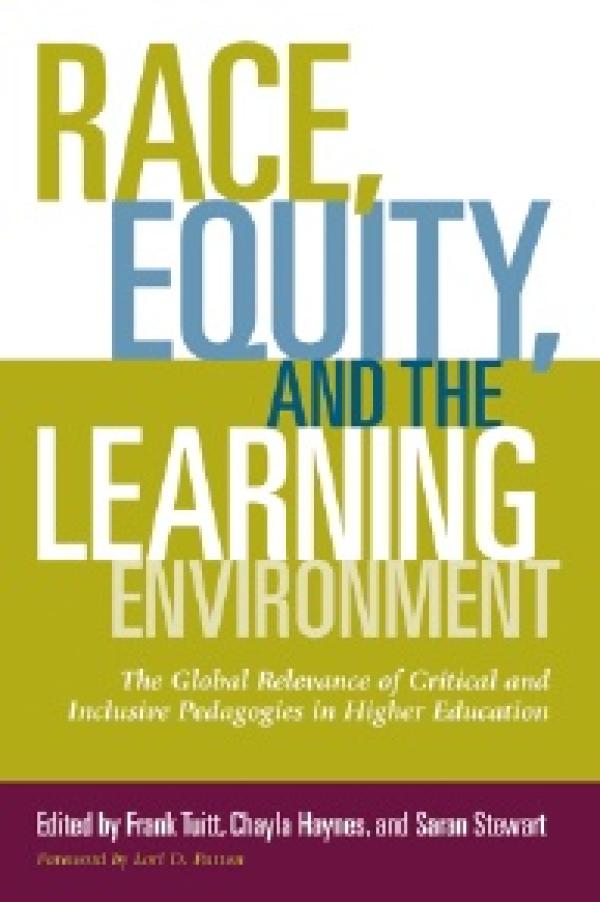
Click Here for Book Review Abstract: At a time of impending demographic shifts, faculty and administrators in higher education around the world are becoming aware of the need to address the systemic practices and barriers that contribute to inequitable educational outcomes of racially and ethnically diverse students. Focusing on the higher education learning environment, this volume illuminates the global relevance of critical and inclusive pedagogies (CIP), and demonstrates how their application can transform the teaching and learning process and promote more equitable educational outcomes among all students, but especially racially minoritized students. The examples in this book illustrate the importance of recognizing the detrimental impact of dominant ideologies, of evaluating who is being included in and excluded from the learning process, and paying attention to when teaching fails to consider students’ varying social, psychological, physical and/or emotional needs. This edited volume brings CIP into the realm of comparative education by gathering scholars from across academic disciplines and countries to explore how these pedagogies not only promote deep learning among students, but also better equip instructors to attend to the needs of diverse students by prioritizing their intellectual and social development; creating identity affirming learning environments that foster high expectations; recognizing the value of the cultural and national differences that learners bring to the educational experience; and engaging the “whole” student in the teaching and learning process. (From the Publisher)

Journal Issue. Full text is available online.