Resources
Students who say that they did not complete assigned readings suggested three ways that instructors might increase their motivation to complete the reading assignment.
An essential lifelong skill for students is to think about their learning, or be metacognitive about it. Karen M. Kortz, Ph.D., shares three activities that help students practice this important skill.
Learn the four easy steps to conducting the questioning technique, Hands Down.
An activity called Cash Cab (based on the TV series) to promote student engagement in class and encourage homework completion outside the classroom.
In order to expect students to work effectively, we need to plan purposeful activities that will enable students to build community and rapport with each other.
Teaching tip for the 1st day of class: how to assess what your students already know on the topic, and what to do with that information.
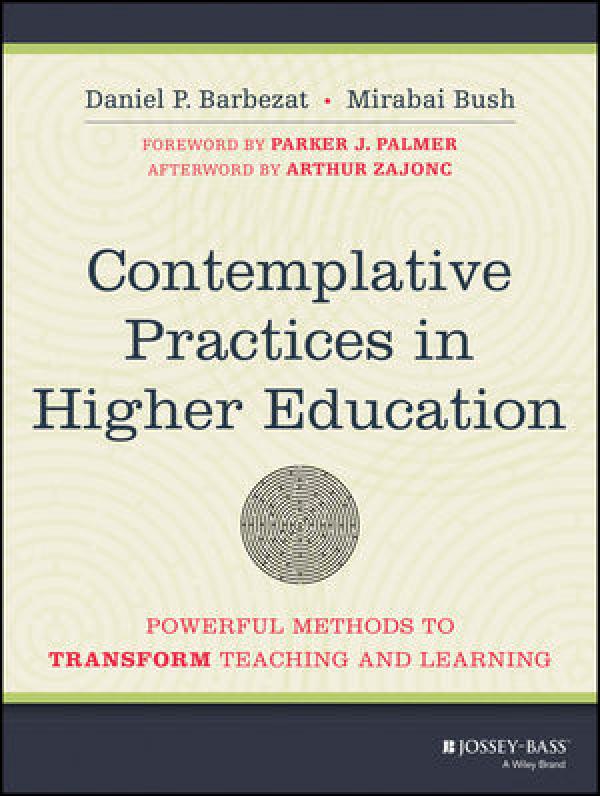
Click Here for Book Review Abstract: Contemplative pedagogy is a way for instructors to: - empower students to integrate their own experience into the theoretical material they are being taught in order to deepen their understanding; - help students to develop sophisticated problem-solving skills; - support students’ sense of connection to and compassion for others; and - engender inquiries into students’ most profound questions. Contemplative practices are used in just about every discipline—from physics to economics to history—and are found in every type of institution. Each year more and more faculty, education reformers, and leaders of teaching and learning centers seek out best practices in contemplative teaching, and now can find them here, brought to you by two of the foremost leaders and innovators on the subject. This book presents background information and ideas for the practical application of contemplative practices across the academic curriculum from the physical sciences to the humanities and arts. Examples of contemplative techniques included in the book are mindfulness, meditation, yoga, deep listening, contemplative reading and writing, and pilgrimage, including site visits and field trips. (From the Publisher)
Journal Issue.
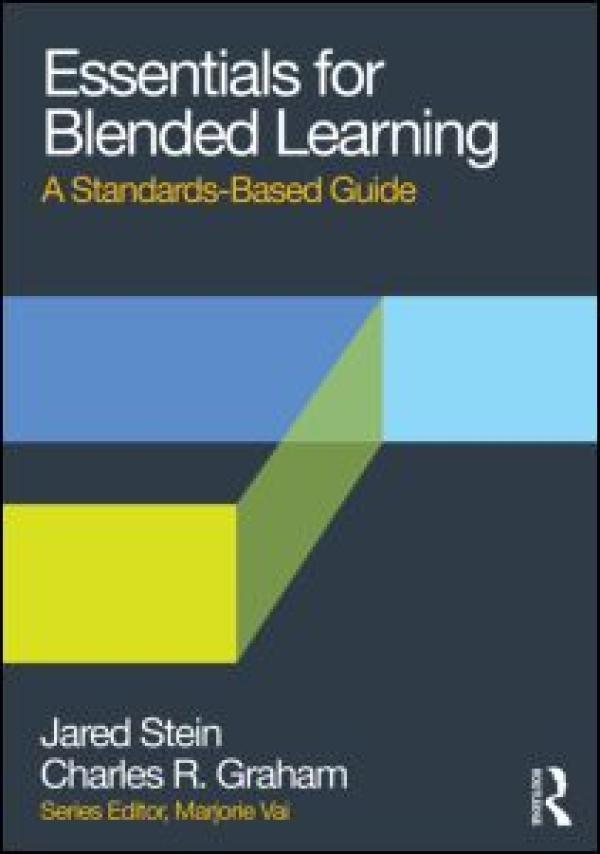
Essentials for Blended Learning: A Standards-Based Guide provides a practical, streamlined approach for creating effective learning experiences by blending online activities and the best of face-to-face teaching. This guide is: Easy to use: Clear, jargon-free writing; illustrations; and references to online resources help readers understand concepts. Streamlined: A simple but effective design process focuses on creating manageable activities for the right environment. Practical: Real-world examples from different subject areas help teachers understand principles in context. Contemporary: The variety of modern, connected technologies covered in the guide addresses a range of teaching challenges. Forward-Looking: The approach bridges the gap between formal classroom learning and informal lifelong learning. Standards-based: Guidelines and standards are based on current research in the field, relevant learning theories, and practitioner experiences. Effective blended learning requires significant rethinking of teaching practices and a fundamental redesign of course structure. Essentials for Blended Learning: A Standards-Based Guide simplifies these difficult challenges without neglecting important opportunities to transform teaching. This guide is suitable for teachers in any content area. (From the Publisher)
One page Teaching Tactic to help students engage course readings.