Resources
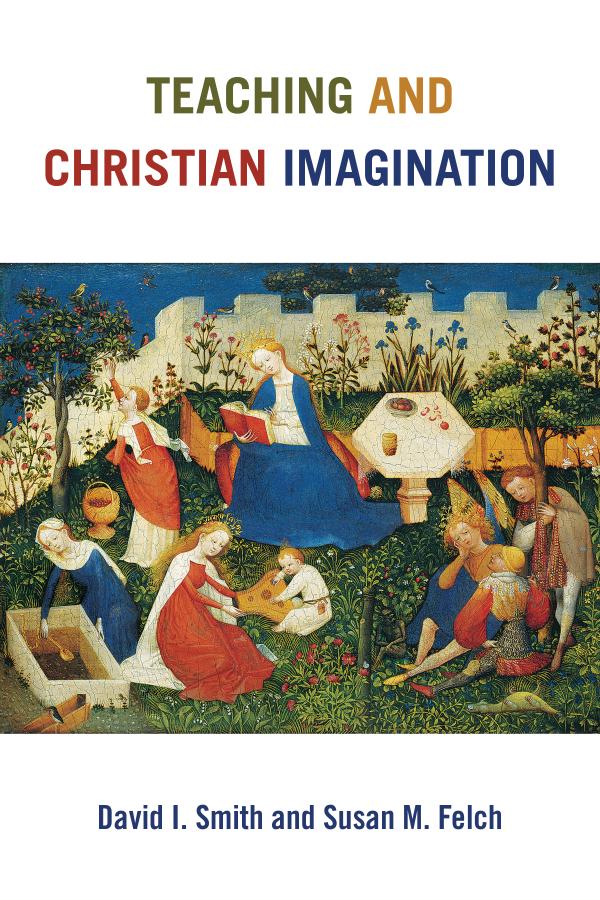
Click Here for Book Review Abstract: This book offers an energizing Christian vision for the art of teaching. The authors - experienced teachers themselves - encourage teacher-readers to reanimate their work by imagining it differently. David Smith and Susan Felch, along with Barbara Carvill, Kurt Schaefer, Timothy Steele, and John Witvliet, creatively use three metaphors - journeys and pilgrimages, gardens and wilderness, buildings and walls - to illuminate a fresh vision of teaching and learning. Stretching beyond familiar clichés, they infuse these metaphors with rich biblical echoes and theological resonances that will inform and inspire Christian teachers everywhere. (From the Publisher)
Click Here for Book Review Abstract: The goal of Engaged Teaching in Theology and Religion is to guide a process of self-reflection for scholars and teachers of theology and religion that leads to intentional, transformative teaching, dialogue, and reform in theological education and religious studies. Effective teaching approaches must address the selfhood of the teacher, as well as pedagogy, course content, and community engagement. This book sets itself apart from other works in the field because of this holistic approach. In addition to addressing these four areas, Harrison and Knight provide a variety of practices for teaching that take seriously students' cries for a more socially and personally relevant pedagogy and curriculum in a rapidly changing transnational world. The volume provides a well-reasoned and accessible re-thinking of teaching theology and religion so that schools of theology and departments of religion might better live out their stated goals of forming transformative, courageous, and thoughtful leaders and teachers in the twenty-first century. (From the Publisher)
Click Here for Book Review Abstract: Presents the key experiences of a diverse group of teachers and students in their journeys of becoming social justice educator/scholars. This innovative book is a collection of autoethnographies by a diverse group of contributors who describe and theorize about the critical moments in their development as social justice educator/scholars in the face of colonizing forces. Using a rhizomatic approach, the editors’ meta-analysis identifies patterns of similarity and differences and theorizes about the exercise of agency in resistance and identity formation. In our increasingly diverse society, Becoming Critical is a wonderful resource for teacher education and sociology of education as it presents an alternative methodological approach for qualitative inquiry. The book contributes to students’ understanding of the development of critical theories—especially as they pertain to identities. The contributors make use of the work of critical scholars such as Collins, hooks, Weber, Foucault, and others relevant to the lives of students and educators today. (From the Publisher)
Click Here for Book Review Abstract: Winner of the Thurber Prize for American Humor Jason Fitger is a beleaguered professor of creative writing and literature at Payne University, a small and not very distinguished liberal arts college in the midwest. His once-promising writing career is in the doldrums, as is his romantic life, in part as the result of his unwise use of his private affairs for his novels. His life, a tale of woe, is revealed in a series of hilarious letters of recommendation that Fitger is endlessly called upon by his students and colleagues to produce, each one of which is a small masterpiece of high dudgeon, low spirits, and passive-aggressive strategies. (From the Publisher)
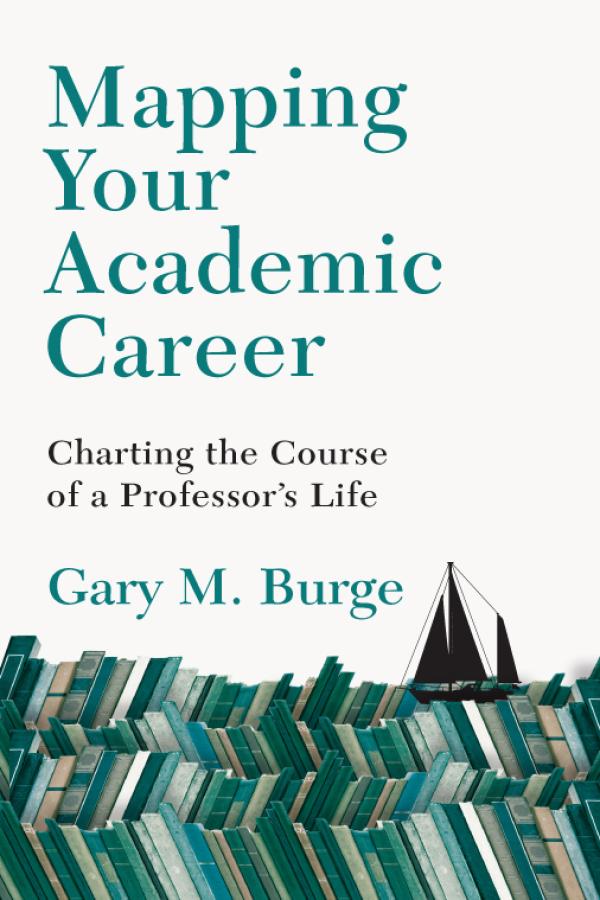
Click Here for Book Review Abstract: You're finishing your first year of teaching. It's been exciting and gratifying, but there've been some wobbly episodes too. How will you carve out a space to flourish? You're feeling secure in mid-career, with some accomplishments to be proud of. But what should success really look like? You're nearing the end of your career, and sometimes apprehensive about the blank slate of retirement. What might it look like to finish well? In Mapping Your Academic Career Gary Burge speaks from decades of teaching, writing and mentoring. Along the way he has experienced and observed the challenges and tensions, the successes and failures of the academic pilgrimage. Now, with discerning wisdom and apt examples, he hosts the conversation he wishes he'd had when he started out as a college professor, identifying three cohorts or stages in the academic career and exploring the challenges, pitfalls and triumphs of each. Wherever you are in your teaching life, this is a book that will reward reading, reflection and discussion. (From the Publisher)
Institutions face tremendous potential loss if midcareer employees (like mid-career faculty?) are not happy and productive. Midcareer problems are “pervasive, largely invisible, and culturally uncharted.” 
Wabash Center blog spot with periodic postings from a variety of contributors on the teaching life and classroom practices.
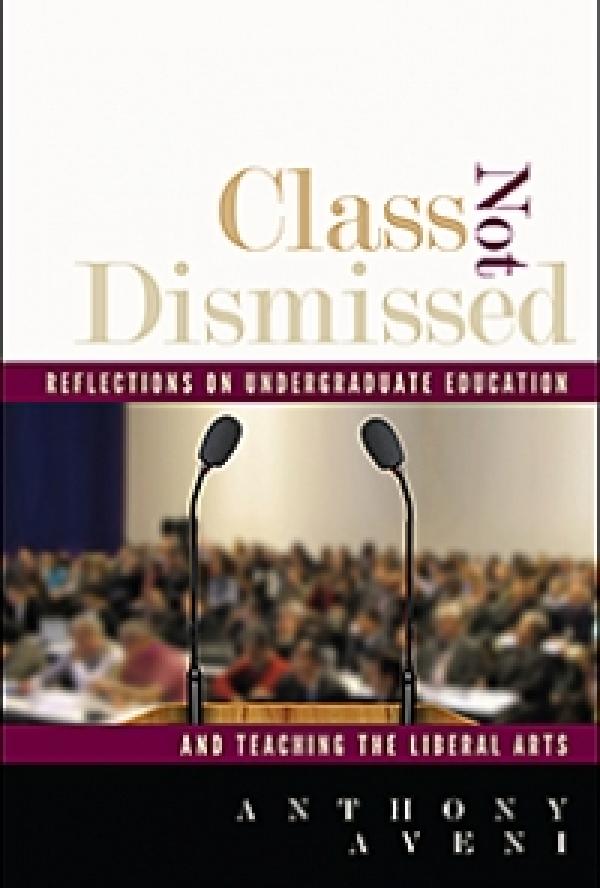
Click Here for Book Review Abstract: In Class Not Dismissed, award-winning professor Anthony Aveni tells the personal story of his six decades in college classrooms and some of the 10,000 students who have filled them. Through anecdotes of his own triumphs and tribulations—some amusing, others heartrending—Aveni reveals his teaching story and thoughts on the future of higher education. Although in recent years the lecture has come under fire as a pedagogical method, Aveni ardently defends lecturing to students. He shares his secrets on crafting an engaging lecture and creating productive dialogue in class discussions. He lays out his rules on classroom discipline and tells how he promotes the lost art of listening. He is a passionate proponent of the liberal arts and core course requirements as well as a believer in sound teaching promoted by active scholarship. Aveni is known to his students as a consummate storyteller. In Class Not Dismissed he shares real stories about everyday college life that shed light on serious educational issues. The result is a humorous, reflective, inviting, and powerful inquiry into higher education that will be of interest to anyone invested in the current and future state of college and university education. (From the Publisher)
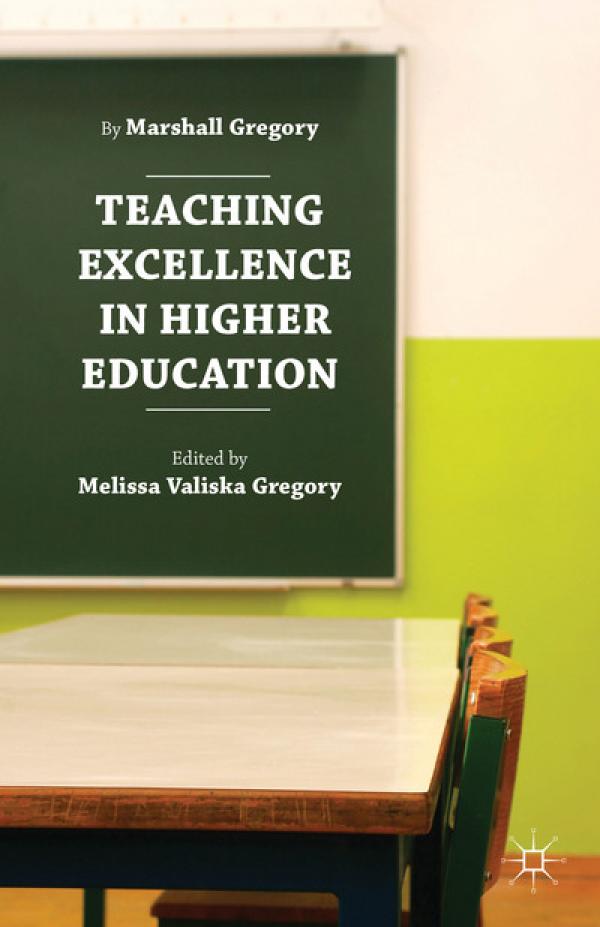
Click Here for Book Review Abstract: In this volume, the culmination of a lifetime's work as an educator, Marshall Gregory lays out a pedagogical theory and ethical vision for teaching. He argues that teachers across the arts and sciences can reach for teaching excellence by relying on more than good will, good intentions, sincerity, enthusiasm, and trial and error. They can think, individually and collectively, about the educable capacities of the students they teach and about the ultimate aim of their teaching: not to merely impart information or train their students in a discipline, but to develop their students' abilities for thought, reflection, questioning, and engagement to their fullest extent. Drawing on over forty-five years of teaching and thirty-five years of training teachers to think about pedagogy, Gregory speaks to any teacher wanting to more fully ground the what of teaching in the how and why. (From the Publisher)
This is an edited transcript of a conversation between two founding women on the delights and demands of teaching and learning within and beyond traditional institutional life, facilitated by Lisa M. Hess of the journal's Editorial Board. The conscious feminine practices of a women's writing school, Women Writing for (a) Change (Cincinnati, Ohio), created the circle-container for the sharing of words and wisdom. Narrative, pedagogical, and organizational issues arose as the circle listened and examined the realities of contributing as a woman in higher education, yesterday and today.