Resources
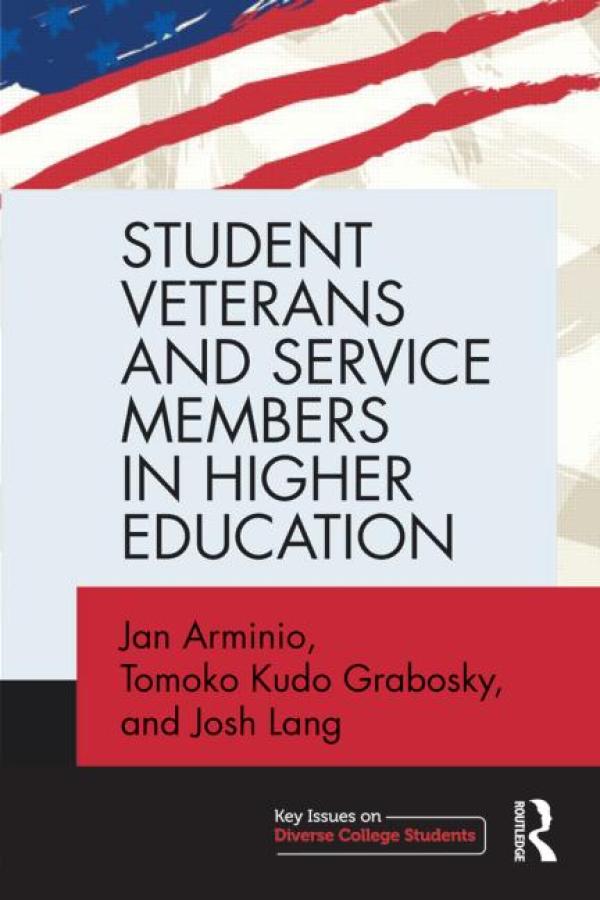
Arminio, Grabosky, and Lang (2015) provide a comprehensive overview of student veterans and service members from interviews and analyses of higher education institutions. This book speaks from history and experience of the U.S. military to present outreach opportunities for the modern reader. The best audience for this book would be higher education administrators and counselors because it primarily discusses the challenges of transitioning to student life in higher education. More importantly, the authors consider the life of the students beyond school, what the students have seen, the makeup of the military world, and how it sheds light on this one. The study consisted of semi-structured interviews of sixteen higher education employees and fourteen students, and included a military spouse, and students at a community college and a public research-intensive institution with multiple campuses. Although this is a small set from which to draw specific conclusions, the volume provides valuable insights about service veterans and members enrolled in higher educational contexts. Student veteran and service members did not have direct support services at the research-intensive institution until after 9/11. The book documents how this change came about when students organized themselves and the campuses responded. The authors provide helpful lists of behaviors of facilitation (53) and advocacy of the student (61) and the system (65). Drawing on an advocacy model put forth by Lewis, Arnold, House, and Torporek (2002) of the American Counseling Association, Arminio, Grabosky, and Lang describe best practices in higher education for this target student group. For example, there should be regular review of degree progress corresponding to military financial benefits and possible deployment. The authors also give weight to possible needs for counseling and disability services. The three predominant cultural transitions between the military and higher education are the loss of collectivism, hierarchy, and masculinity. According to the study, student veteran and service members perceive themselves as outsiders in this environment (105). At the same time, "the military experience influences the college experience, but how it does depends on the individual and his or her experiences and contexts" (106). While the U.S. military is historically less tolerant of the LGBT community, one student participant in the study who identified as a lesbian felt accepted by her military colleagues (107). Higher education could further offer her the advocacy available at campus LGBT resource centers (89). If we continue to take her example, she still might find the individualistic culture of academics as a source of isolation when she once found quick comradery in the military world. A few of the interviews in the study mention that academics are a source of concern because they differ from the hierarchy and structure of the military in their exercise of power as teachers, with one person commenting that they prefer instructions for assignments to be more direct about resources and expected outcomes. A lack of specific directions can be disconcerting to past and present military-related students. Although the book gives insight into specific teaching styles for student veterans and service members transitioning into higher educational contexts, it does not offer as much as it might. On the whole, the book is geared toward the student as a part of the higher education community.
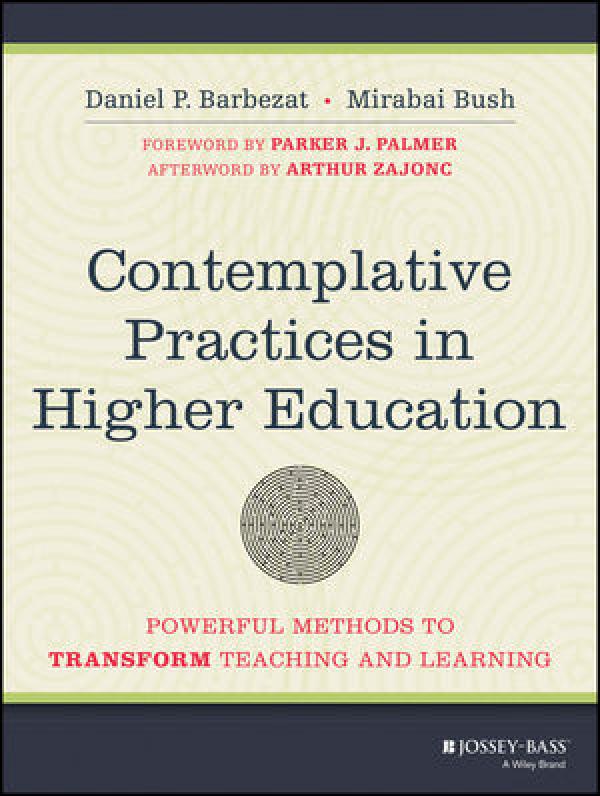
We live and teach in a world of massive distraction. It is difficult to find spaces or times in which people are simply still, let alone inhabit silence. College students claim they are effective “multi-taskers” but more and more research is suggesting that multitasking is not a route to deep learning, and can even begin to shape attention practices in detrimental ways. What can we do? One generative inquiry into these challenges comes from the field of contemplative practice. What is contemplative practice? The authors of this book define it broadly, noting that these practices certainly include meditation, but not all are meditative in the traditional sense. . . . They all place the student in the center of his or her learning so that the student can connect his or her inner world to the outer world. Through this connection, teaching and learning is transformed into something personally meaningful yet connected to the world. (6) Bookended by a foreword written by Parker Palmer, and an afterword by Arthur Zajonc, this book is a much needed and pragmatic resource for anyone teaching in a higher education context. It is based on nearly twenty years of research into contemplative practices in higher education, including the work of 152 fellows who worked on classroom experiments in more than one hundred colleges and universities. Barbezat and Bush provide a concise but thorough overview of this research, while keeping their focus on teaching and learning practice. The book is divided into two sections, the first concentrating on theoretical and pedagogical background, the second a guide to contemplative practices in higher education classrooms. Issues such as neuroplasticity, the challenges of reflecting on first-person experience, and a range of theoretical resources for introducing and developing meditation and introspection are explored in the first section. In the second section the authors draw from a vast array of pedagogical experiments in a diverse assortment of disciplines to resource specific exercises in mindful reading, writing, listening, movement, and action. These resources include specific writing prompts, examples of syllabi, and a rich collection of bibliographic entries for further study. The authors also address directly the challenge of the religious studies classroom: “The most problematic place in the academy to introduce contemplative practices has been religion departments, where the concern has been that a professor who practices the religion he or she is teaching would not be sufficiently objective. Teaching contemplative practices to students raises a further concern: proselytizing” (105). Here the authors are quick to point out that contemplative practices of this sort are about “students discover[ing] their own internal reactions without having to adopt any ideology or specific belief” (6). But is this really an appropriate response? My primary critique of this significant book is to ask what it means to invite students into a “technology” of embodied practice without at the same time inviting them to inhabit the beliefs within which that technology arose. Are we really willing to remove context in this way? Or is the contextual collapse we are already living within (cf. Michael Wesch) necessarily confronted by the intentionally attentive work of contemplation? Can practices of meditation and introspection so ground our knowing as to build the kind of insight, compassion, and systemic analysis necessary for living in a deeply present way in our postmodern world? There are likely no clear or single answers to these epistemological conundrums. As one of the teachers whose work is explored in the book, Mary Rose O’Reilly, writes: “I learned that the single most important thing a contemplatively centered classroom teaches the teacher is not a pedagogical recipe but pedagogical flexibility” (188). For my part, I am hopeful and energized by the various experiments with which these innovative educators are engaged. Given that education must, at heart, “create environments for students to inquire and challenge themselves about the meaning of their lives and the lives of others” (200), this book offers both rich reflection and pragmatic resources for doing so.
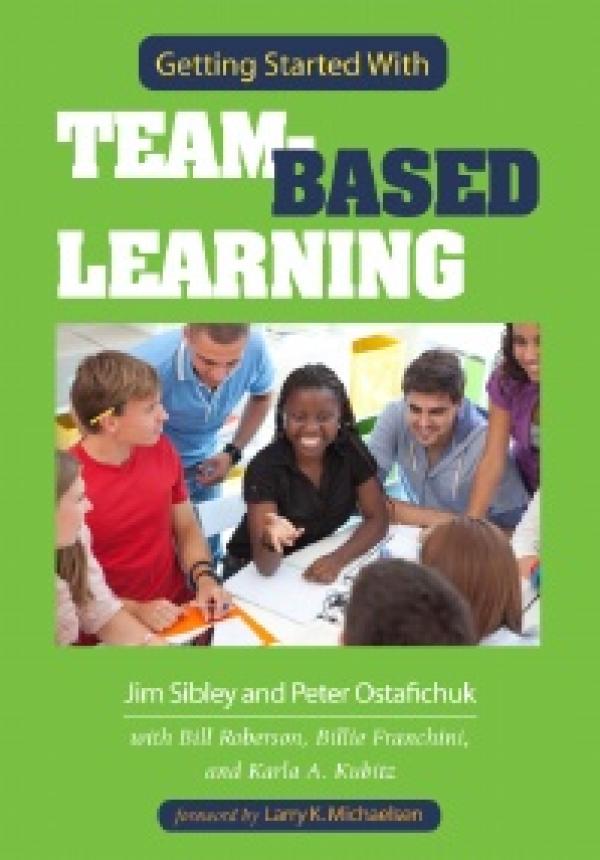
Team-based learning (TBL) was developed over thirty years ago in response to challenges posed by students coming to class unprepared as well as the need for students to apply their knowledge to authentic and complex real-world problems. In this book, Sibley, Ostafichuk, and their contributing authors offer an overview and introduction to TBL for faculty who want to get started with this model of teaching and learning. Filled with vignettes of successes and failures by faculty who have used TBL, the book concludes with appendices of resources, a variety of options to use in the classroom for implementing TBL activities, and reflections on the challenges of implementing TBL in teaching. The book is helpfully divided into three sections. Section one begins with an overview of TBL by introducing its four essential elements: (1) creating properly formed and managed permanent teams; (2) developing a readiness assurance process (RAP) to ensure motivated and prepared students; (3) using application activities which require students to use course concepts and skills; and (4) holding students accountable for their own learning. With this model of instruction the focus is shifted away from the professor to students who actively use what they have learned to solve problems. The next two chapters focus on ways to design and implement a TBL course. Roberson and Franchini’s approach to design is to begin in the middle by designing the team application activities and tasks that allow students to practice using the disciplinary concepts of the course and thus demonstrate their learning. The final chapter in the opening section (by Kubitz) provides a literature review of studies which documents the effectiveness of TBL and connects the model to a variety of learning theories (Vygotsky, Brunner, Perry, and Zull). The heart of the book is found in section two with chapters which elaborate on the four essential elements of TBL introduced earlier. Each chapter is full of practical advice and vignettes from faculty who have utilized TBL. The authors discuss, for example, the different stages of the RAP - selecting appropriate quality readings (they recommend shorter rather longer assignments), developing individual readiness assessment and team assessment tests, offering practical advice about writing good multiple choice questions and developing reading guides to assist student preparation. The key to a successful TBL course is found in the application activities which engage students’ interests. When it works, the authors argue that student focus shifts from “what is the right answer?” to discussions about “why?” and the supporting evidence. They offer a number of ways in which students may simultaneously report on the decisions made about the same problem they are working on. Courses should be designed in such a way that students are accountable and rewarded not only for their individual performances, but also for contributions to the team and overall team performance. The authors argue that for TBL to be effective, it is best to use it for an entire course rather than use it piecemeal. The book is full of practical advice, however, which is well-grounded in literature about teaching and learning so that faculty members who are hesitant to transform a course to TBL can still benefit from reading (advice such as how to write effective multiple choice questions and how to facilitate discussions). I should note that the vignettes and examples in the book from faculty who have used TBL include no one from Religious Studies. But after reviewing the book, I am motivated to try this model in my teaching.
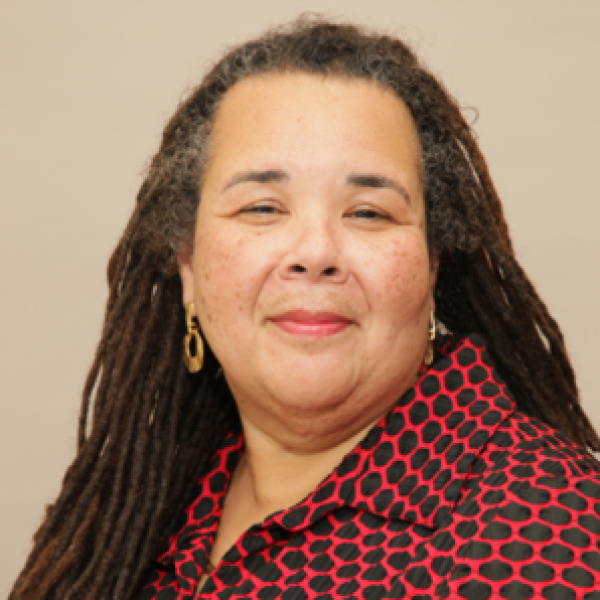
Nancy Lynne Westfield Associate Professor of Religious Education Drew Theological School When you are a teenager, at least in the 70’s, the house with abundant food and a loving mother was the place to gather. Our house had both. Unlike all the other mothers in the neighborhood, Nancy Bullock Westfield
Nancy Lynne Westfield Associate Professor of Religious Education Drew Theological School The gaze. eager sparkle – happy batting of lashes – signaling “…go!”; cautious, diverted looks – at the floor or just “away”— ….no!-- down caste/mostly shut eyes, maybe even the downright defiant stare – fixed & cocked….Occasionally the gawk.
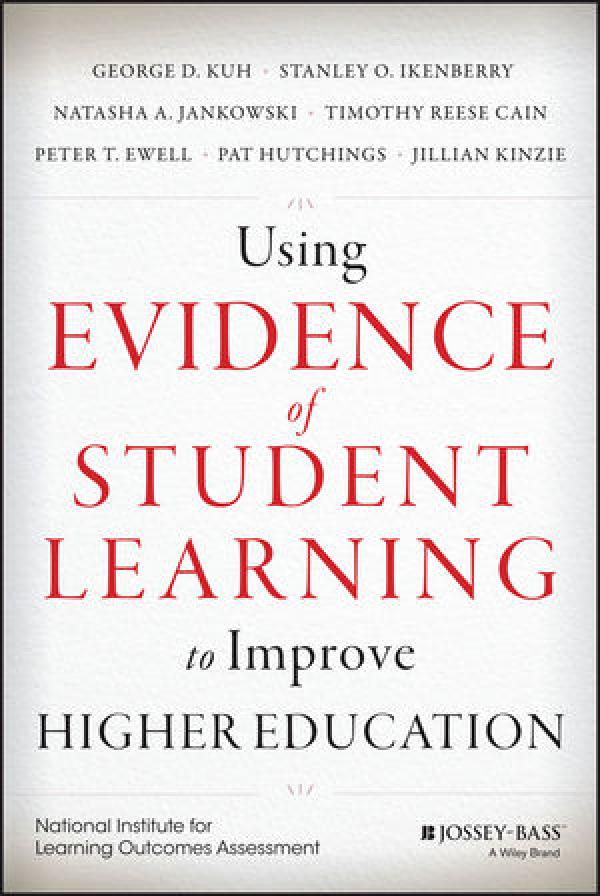
Increasing skepticism regarding the value of traditional grading, mounting student debt, and low degree completion rates has led to escalating pressure on North American universities to provide evidence of assessment of student learning. Beyond standard letter grades, it is claimed, there are methods that can provide tangible proof that students are – or are not – learning (Astin, “The Promise and Peril of Outcomes Assessment,” The Chronicle of Higher Education). Ideally this information assists universities in shaping the “new normal” of higher education (2). This new normal, the authors argue, often imposes assessment from above; as a result, many university faculty are either apart from assessment-measuring or are excluded from the conversation regarding why additional assessment measures might be needed and how to use the information once it is gained. This latter point is the focus of this collection of essays, Using Evidence of Student Learning to Improve Higher Education. Written with various assessors in mind – from faculty to governing boards (12-17) – the essays are all rooted in the authors’ collective desire to make assessments consequential (20); only by putting assessment data to work for the institution will the data be made meaningful. Kuh and Ikenberry, the principle co-investigators of the project (xiv), organize the topic of student assessment as a tool for the advancement of higher education into three helpful modules. After an introductory chapter that highlights the need for university campuses to move from compliance to active ownership in the assessment process (1-26), the collection is divided into three parts, each of which contains articles that pertain specifically to the various constituencies. “Part One: Making Assessment Work” (27-96) is comprised of three chapters. Hutchings, Kinzie, and Kuh’s “Evidence of Student Learning: What Counts and What Matters for Improvement” (27-50) highlights the variety of assessment methods as well as their respective strengths and limitations. This chapter reminds the reader that whether or not the vocabulary of “assessment” is employed, faculty are always engaged in the process of assessing student learning through assignments, surveys, exams, rubrics, and portfolios, even if not all recipients of this data consider it as such. This is a helpful chapter for religion faculty who might struggle with questions about how to assess student learning in a subject often fraught with individual meaning and significance and that stands quite far, by comparison, from a student’s relationship with other subjects (such as algebra or physical education). According to Kinzie, Hutchings, and Jankowski, an essential – and often neglected – second step in the assessment process is making use of the data. In “Fostering Greater Use of Assessment Results: Principles for Effective Practice” (51-72) and “Making Assessment Consequential: Organizing to Yield Results” (73-91), the authors carefully distinguish between “doing” assessment and “using” assessment; beginning with a brief history of the process, they trace effective use from the microcosm of a single course to the macrocosm of an entire institution. In particular, they emphasize that the collection of assessment data and its use must ultimately fold back on itself, closing the continuous loop of evaluation that ends with the next question: “What was the impact of the change?” (71). Methodically similar to the first section, “Part Two: Who Cares? Key Stakeholders” (95-182), draws a valuable line in assessment-use analysis through four chapters. Casting their net quite widely, authors Cain, Hutchings, Ewell, Ikenberry, Jankowski, and Kinzie collectively affirm that faculty assessment is at the heart of educational development, assessment impetus must shift from exterior motivation to interior, and that assessment must be supported at all levels of the institution. For the past three decades, Kinzie, Ikenberry, and Ewell conclude in “The Bigger Picture: Student Learning Outcomes, Assessment and External Entities” (160-82), external bodies have been imposing assessment data collection, much of which has consisted of a bare minimum of electronic catalogues; while this external interest is warranted, those who benefit most by harnessing evidence of student learning are those who stand closest to those being assessed: faculty. The final section, “Part Three: What Now? Focusing Assessment on Learning” (183-236), addresses two noteworthy elements of assessment projects: the weariness that plagues faculty who often face overwhelming demands for greater and more evaluation of their profession, and ways in which assessment results can be shared with appropriate constituencies. While Kuh and Hutchings’ “Assessment and Initiative Fatigue: Keeping the Focus on Learning” (183-200) highlights strategies to avoiding the inevitable fatigue by suggesting that faculty share the burden of assessment, that short-term projects be considered, that clear links to campus learning goals be identified prior to the work beginning, and that the work of assessment be balanced by scaling back other tasks. While the final chapter, Jankowski and Cain’s “From Compliance Reporting to Effective Communication” (201-19), focuses on the definitions and use of transparency in the successful relation of assessment data, the multi-authored conclusion, “Making Assessment Matter” (220-36), both summarizes the current context of assessment in North America, and offers thoughts regarding emerging trends and forces in higher education. The American Academy of Religion White Paper, “The Religion Major and Liberal Education,” rightly claims that assessment in religion, religious studies, and theology is challenging due to a variety of important factors, including the constantly evolving nature of the discipline, the interdisciplinarity of religious studies, the lack of accrediting bodies to supervise content, and the ambiguity regarding career paths for graduates in the field (https://www.aarweb.org/AARMBR/AARMBR/Publications-and-News-/Data-and-Studies-/Teagle-Study.aspx). Nevertheless, religion, religious studies, and theology departments must face the challenge of assessment initiatives the same as any department; on a purely pragmatic level, it would be helpful to face the challenge of assessment with the valuable essays provided in Kuh and Ikenberry’s collection.
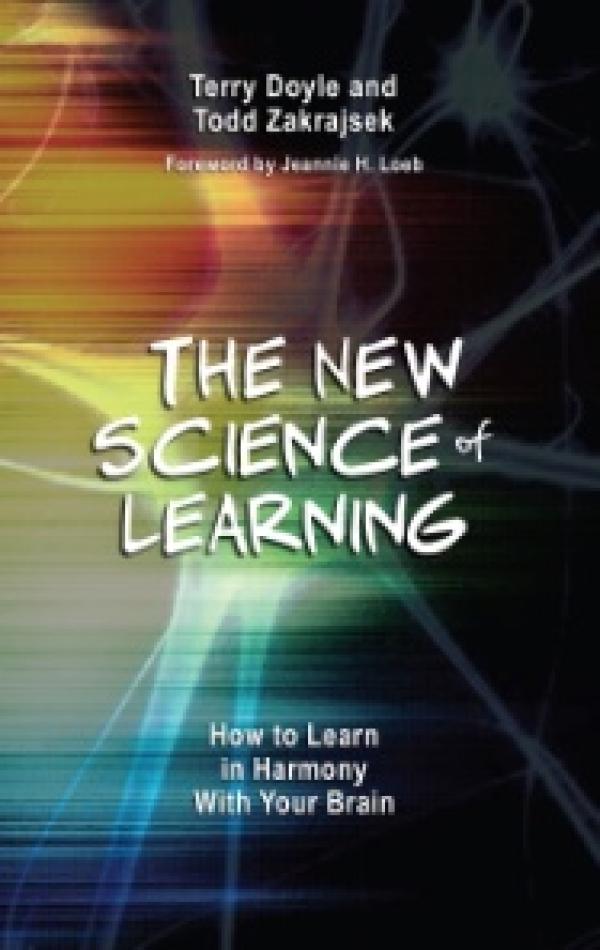
This book is meant to be put into someone’s hands in the months before they begin college, but it also serves as a useful tool for anyone contemplating returning to school after time away – adults getting ready to begin seminary, for example, after years in first or second careers – or for anyone wishing to become a “life-long learner,” whether in formal academic circles or in private life. Written in accessible language and peppered with illustrative examples, this slim volume blends common sense – such as eat a healthy, balanced diet, make time for regular exercise, get enough sleep, don’t cram – with a wide array of insights from neuroscience research and learning theory of the last fifteen years. Both authors have extensive experience and publications focused on the integration of cognitive research, biology, and learner-centered teaching: Doyle at Ferris State University and Zakrajsek in the Department of Family Medicine at UNC-Chapel Hill. The topics covered in the eight main chapters focus on learning and: sleep, exercise, the use of multiple senses, discovering and utilizing patterns, memory, “fixed” versus “growth” mindsets, and paying attention. Each chapter quickly sets forth recent pertinent research, then concludes with five to ten summary points. Much of the material in the early chapters confirms common sense: getting enough sleep and exercising regularly are necessary for both learning and memory. The brain needs “down” time to process new information. Because sleep and exercise are so foundational for learning, these topics pop up repeatedly in subsequent chapters, especially in the discussions of memory and paying attention. The discussions in chapters 4 through 8 take up facets of cognitive and learning research that move beyond common sense. Where two or more senses are put to use both learning and memory increase: for example, listening and reading, or reading aloud, or sight and touch. Even studying near the scent of roses has a positive impact. Elaboration is another key: the more routes one takes to the goal – such as via concept maps or annotating the pages of books – the stronger the learning. One chapter describes many ways of discerning patterns and “chunking” blocks of information to help make learning easier and faster. The chapter on memory reminds us that cramming is not nearly as effective as “distributed practice,” processing material in smaller bites over a longer period of time, which gives the brain time – it needs at least an hour – to do its work. This means that taking classes back-to-back, with little or no break in between, is nearly always a bad idea, especially in regard to the material in the first class. Resting between classes or learning activities, as well as taking short naps and breaks, daydreaming, or going for a walk or run, turn out to be essential for effective learning. Many students are told in elementary school how smart they are, as if learning is a fixed attribute, rather than being praised for the hard work they are doing, which affirms their learning as a process of steady “growth.” As a result, they often have difficult transitions in middle school and beyond, where the material demands more and more effort. Long-term success is a result of steady work and effective learning strategies, not intelligence. The New Science of Learning’s extensive use of citations provides lots of trails to follow if the reader is inclined to go deeper, but also makes the book choppier and less engaging than if the authors had rephrased the information in their own words. But this is a minor quibble. I plan to give a copy of this book to my son, who will start college next year, as well as my daughter, a high school sophomore, mostly because I learned so much about how to learn that I wish I had known long ago.
Nancy Lynne Westfield Associate Professor of Religious Education Drew Theological School Teach students where they are! This forthright adage is deceptively difficult. The question becomes – where are they in proximity to my own location? In other words, what does it mean for the effectiveness of my teaching if the.
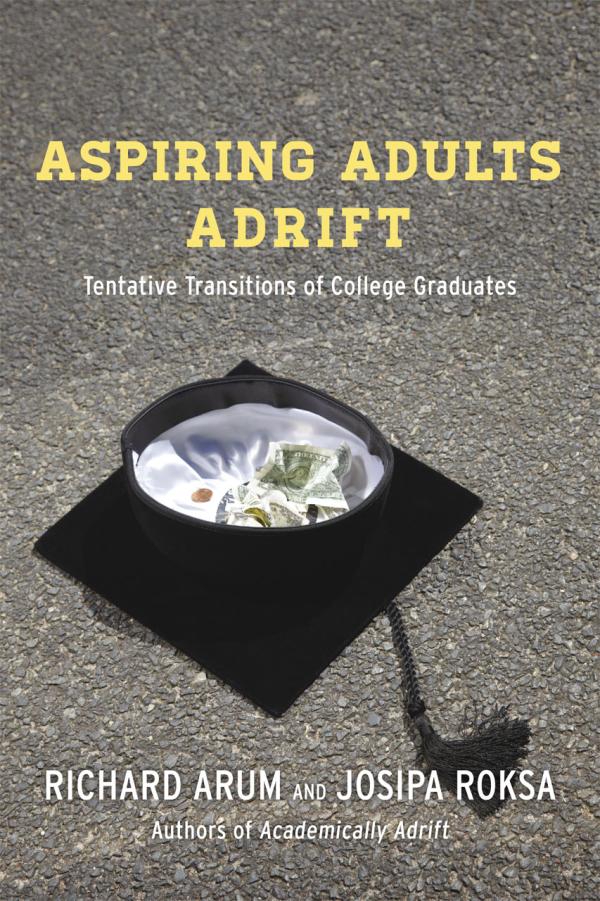
Aspiring Adults Adrift: Tentative Transitions of College Graduates, by Richard Arum, professor in the Department of Sociology at NYU and senior fellow at the Bill and Melinda Gates Foundation, and Josipa Roska, associate professor of sociology and education and associate director of the Center for Advanced Study of Teaching and Learning in Higher Education at the University of Virginia, is the much-anticipated sequel to the authors’ celebrated, often cited, and hotly debated Academically Adrift: Limited Learning on College Campuses (2011), which documented in great detail the academic gains – and stagnation – of some 2,300 students of traditional college age enrolled at a range of 4-year college and universities. In the 2011 report, students were measured on gains in critical thinking, analytical reasoning, and other “higher level” skills taught at college, and the results were not encouraging. The most often-cited findings included: 45 percent of students “did not demonstrate any significant improvement in learning” during the first two years of college; and 36 percent of students “did not demonstrate any significant improvement in learning” over four years of college. The main culprit for students’ lack of academic progress, the authors claimed, is lack of rigor, particularly with respect to critical reading and analytical writing. Aspiring Adults Adrift tracks the same cohort of undergraduates out into the working world into (what should be) adulthood, and documents their struggles to make the transition to traditional adult roles. The results of this follow-up study are no more inspiring: 24 percent of graduates living at home with their parents; 74 percent of graduates receiving financial support (in some cases quite substantial) from their families; and 23 percent of graduates in the labor market who are unemployed or underemployed. Despite these discouraging findings, however, the authors report that these graduates are quite optimistic about their futures, 95 percent of them reporting that they expect their lives to be better than their parents. The authors set out to determine what accounts for this optimism. One compelling argument put forward by Arum and Roksa is a theory given recent prominence by social psychologist Jeffrey Arnett in his notion of “emerging adulthood,” a new demographic identified as the period between eighteen and twenty-five years of age, a period of “self discovery” and “self exploration” during which adolescence is extended; a period in which these aspiring college-educated young adults struggle with identity exploration, instability, and self-focus, often do not live independently, are un- or underemployed, and do not have the income to be financially self-sufficient. Arum and Roksa put the blame, fairly or unfairly, largely on institutions of higher education, and their commitment to “promoting a personnel perspective that celebrate(s) self-exploration and social well-being” (11) – put more bluntly, that caters to the ethos of consumer society, and a broader “cultural adoption of a therapeutic ethic” (9): “both the students and institutions have put such a high focus on social engagement as a key component of higher education that the students have come to believe that it’s those skills and networks that are going to be critically important for their lifelong success.” The evidence, however, suggests otherwise; that the emphasis on social “engagement” at the expense of academic rigor is not achieving these results. “Widespread cultural commitment to consumer choice and individual rights, self-fulfillment and sociability, and well-being and a broader therapeutic ethic leave little room for students or schools to embrace programs that promote academic rigor” (136). It is, the authors contend, ultimately a mutually-reinforcing race to the bottom: “This may reflect the self-centered nature of emerging adulthood,” they write, “or the education system’s decreasing emphasis on preparing individuals for participating in a democratic society. Whatever the underlying causes of this tendency, colleges could adopt a more productive role in the development of values and dispositions for greater engagement with the world at large” (113). In essence, the responsibility is ours, as educators, to reject consumer satisfaction as “a worthy aim for colleges and universities” and “do more to help students develop the attitudes and dispositions they need to reach their aspirations” (134). Wherever the solutions lie to the oft-cited “crisis in higher education,” the authors of Aspiring Adults Adrift have once again contributed significantly to the centrality of educator-led reform.
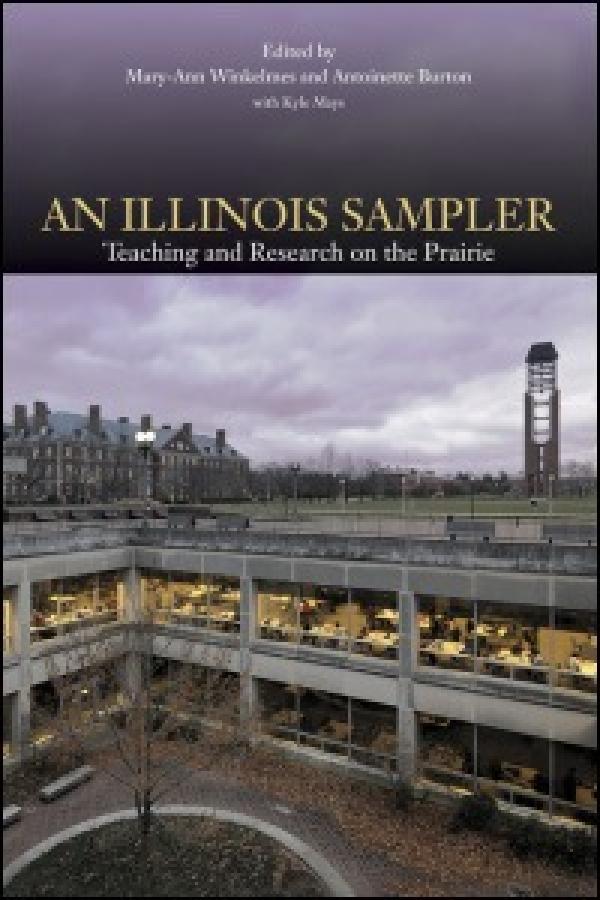
While this book is dedicated to students, chapters showcase the dedication of professors to providing effective learning formats in diverse fields. An Illinois Sampler: Teaching and Research on the Prairie highlights teaching methods at the University of Illinois that can be applied elsewhere. It would be an excellent book for a new professor, including one looking for field opportunities for their students. The nineteen chapters are very short, but in essence provide quickly consumable case studies of everything from inmate education and research abroad to flipped classrooms and the standard lecture format. It would work well for a small group discussion of education students who could read it together while in session. Topics for small group discussion could include holistic education, teaching from the sciences and humanities, and student-centered learning. Higher education administrators might also appreciate an overview of some of the programs at the University of Illinois. However, these chapters are just glimpses of the authors’ insights; some readers might need to pursue further research. Examples like Rosu’s highlights of the iFoundry program created by the engineering faculty and Denofrio-Corrales and Lu’s innovative Chemistry and Biology of Everyday Life (CBEL) course structure organize around students’ interests. Precisely how they do it could be the theme for another book. Instead of a recipe, we are given a taste of the passion and flavor of University of Illinois teaching practices. This book is dedicated to students. The authors capture a learning environment that alumni and current students can be proud of, but the Illinois Sampler shows that across the spectrum, the professors dedicate their work to their students. In pages of reflection by faculty in the humanities and sciences serving traditional and nontraditional students, teaching with traditional and nontraditional methods, An Illinois Sampler teaches what it means to teach: It is a statistics professor trying to make numbers lead to a better quality of life. It is a lecturer uncovering the living complexity of once simple fairy tales. It is an education behind bars professor who liberates minds. It is the professor learning from collaboration with their students, and reigniting a teaching passion for and by them. This book acts as a sampler in its composition, moving from highlights in music to math to literature to science to dance. Unconventionally juxtaposed, one discipline does not outweigh the other. Everyone will be able to find something appealing in it because of the broad inclusion, and, readers will gain knowledge from perspectives across disciplines. It should also be noted that contributors “vary not only by expertise but also in age, gender, nationality, career stage, and even their position in the academic hierarchy” (ix). The real success of this book is the variety. An Illinois Sampler is both a recommended read and endeavor.