Resources
Journal Issue.
Beyond the Classroom (“Taking it to the Streets”): Practicing the Art of Philosophical Conversation”
A 1000 word essay in response to a Call for Papers: “What do you have your students do during a class session when you cannot be present?"
TTR Teaching Tactic: a group process to design an interfaith ritual in which every religion is respected and no religion is privileged.
This article begins by recognizing the increasing use of film in Religion, Theology, and Bible courses. It contends that in many Biblical Studies (and Religious Studies and Theology) courses, students are neither taught how to view films properly, nor how to place films into constructive dialogue with biblical texts. The article argues for a specific pedagogical approach to the use of film in which students learn how to view a film closely, in its entirety, on its own terms, and in its own voice. Viewing a film in this manner by attending to its aesthetic integrity is a prerequisite for constructing a fruitful dialogue between films and biblical texts. The essay concludes with three specific examples of what this approach might look like. Two responses follow the essay; Erin Runions of Pomona College considers two additional learning goals we might consider, and Richard Ascough of Queens University at Kingston helpfully distinguishes a range of possible pedagogical goals for introducing film into the Biblical Studies classroom.
One page Teaching Tactic: encouraging discussion of significant course material on the first day of class.
Two troublesome portraits of religious studies professors often exist in the minds of some students at any given time: the Guru, or wise spiritual teacher, and the Deceiver. These metaphors capture student perceptions of us that may be ill-informed and beyond our control. We will examine and compare how our own chosen metaphors for teaching – theological typologist and neutral enthusiast – respond creatively to the unchosen metaphors of guru or deceiver. We cannot avoid being cast as gurus/deceivers, but we can discern how our own metaphors for teaching engage "unchosen" student metaphors for us. This exercise can enhance our self-awareness about our own normative agendas in the classroom, and help to sharpen colleagues' conversations about our sometimes differing assumptions regarding the discipline and teaching of religious studies.
Teaching a required introductory Bible course to non-majors at a church-related college presents a number of pedagogical challenges. When considering how to teach such a course in the context of concerns common to the liberal arts, I find myself reflecting on authority. My thoughts on the teaching of this course in my own context are organized around authority understood as a developmental issue, an educational issue, and a religious issue. In each case, I seek to use my discipline and the primary and secondary materials of the course as occasions for the development of capacities that will contribute to the life of students as critical thinkers, creative problem-solvers, and responsible global citizens.
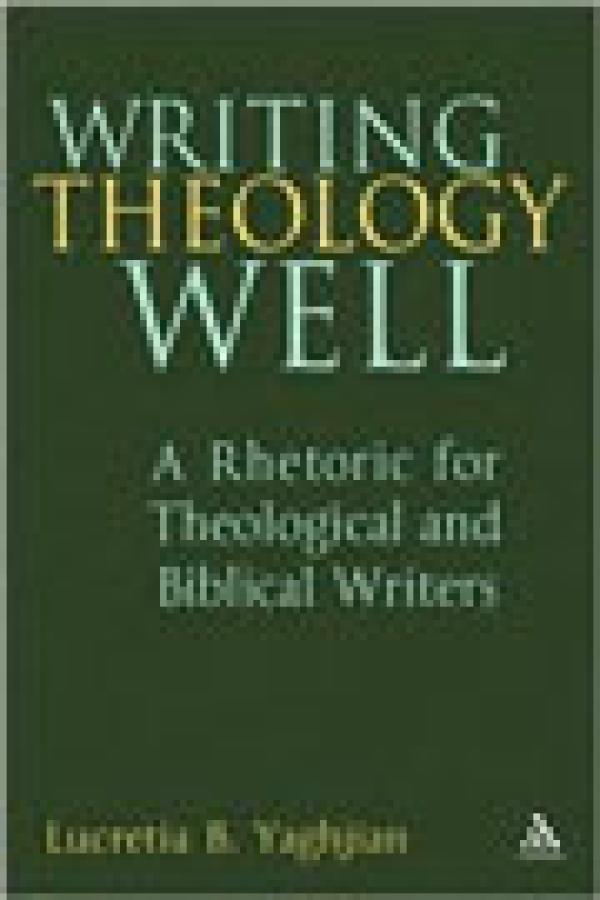
In its creative integration of the disciplines of writing, rhetoric, and theology, Writing Theology Well provides a standard text for theological educators engaged in the teaching and mentoring of writing across the theological curriculum. As a theological rhetoric, it will also encourage excellence in theological writing in the public domain by helping to equip students for their wider vocations as writers, preachers, and communicators in a variety of ministerial and professional contexts. (From the Publisher)
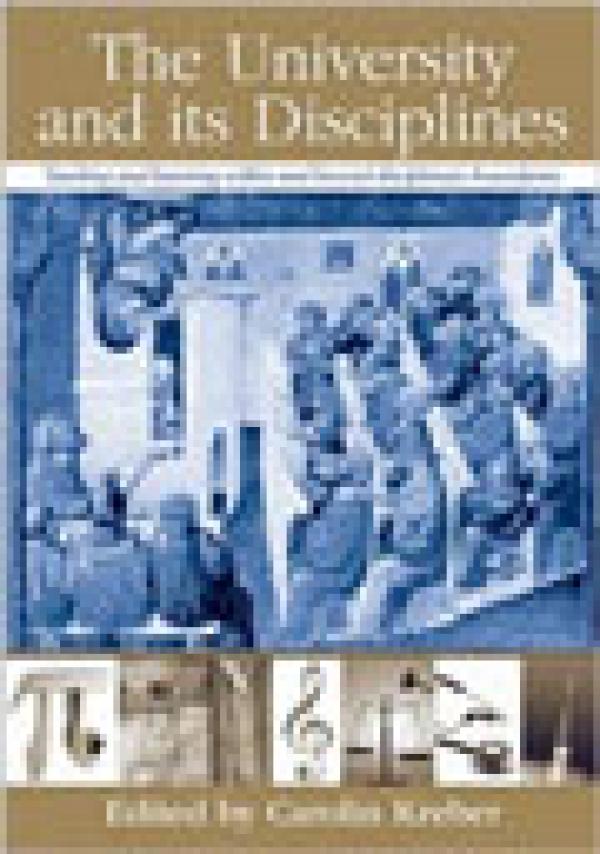
University teaching and learning take place within ever more specialized disciplinary settings, each characterized by its unique traditions, concepts, practices and procedures. It is now widely recognized that support for teaching and learning needs to take this discipline-specificity into account. However, in a world characterized by rapid change, complexity and uncertainty, problems do not present themselves as distinct subjects but increasingly within trans-disciplinary contexts calling for graduate outcomes that go beyond specialized knowledge and skills. This ground-breaking book highlights the important interplay between context-specific and context-transcendent aspects of teaching, learning and assessment. It explores critical questions, such as: What are the ‘ways of thinking and practicing’ characteristic of particular disciplines? How can students be supported in becoming participants of particular disciplinary discourse communities? Can the diversity in teaching, learning and assessment practices that we observe across departments be attributed exclusively to disciplinary structure? To what extent do the disciplines prepare students for the complexities and uncertainties that characterize their later professional, civic and personal lives? Written for university teachers, educational developers as well as new and experienced researchers of Higher Education, this highly-anticipated first edition offers innovative perspectives from leading Canadian, US and UK scholars on how academic learning within particular disciplines can help students acquire the skills, abilities and dispositions they need to succeed academically and also post graduation. Carolin Kreber is Professor of Teaching and Learning in Higher Education and the Director of the Centre for Teaching, Learning and Assessment at the University of Edinburgh (From the Publisher)
Journal Issue.