Resources
One page Teaching Tactic: students discuss the nature of religion by comparing brief descriptions of founders.
One page Teaching Tactic: students are exposed to a reading of sacred text in the native language.
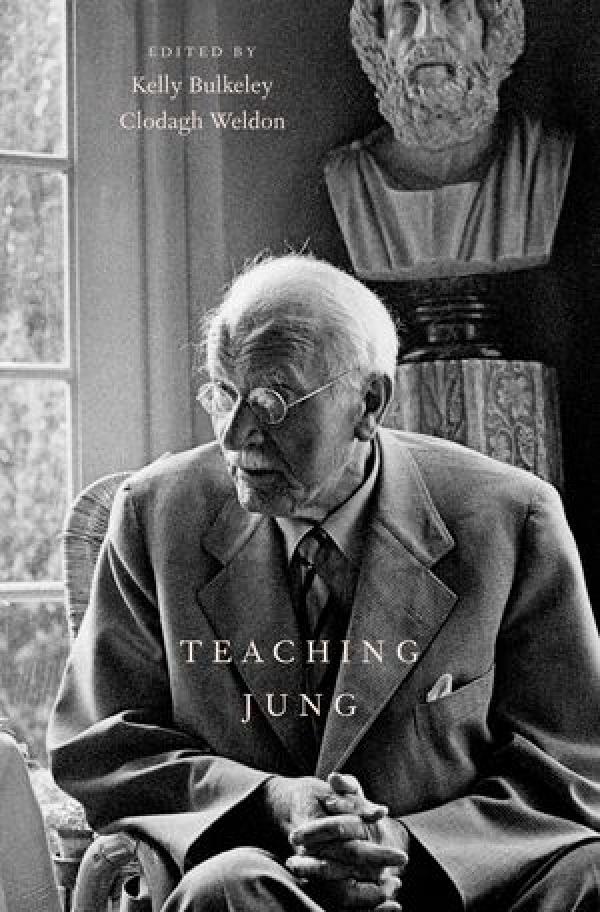
AAR Teaching Religious Studies Series (Oxford University Press) Swiss psychologist Carl Jung (1875-1961) has made a major, though still contested, impact on the field of religious studies. Alternately revered and reviled, the subject of adoring memoirs and scathing exposes, Jung and his ideas have had at least as much influence on religious studies as have the psychoanalytic theories of his mentor, Sigmund Freud. Many of Jung's key psychological terms (archetypes, collective unconscious, individuation, projection, synchronicity, extroversion and introversion) have become standard features of religious studies discourse, and his extensive commentaries on various religious traditions make it clear that Jung's psychology is, at one level, a significant contribution to the study of human religiosity. His characterization of depth psychology as a fundamentally religious response to the secularizing power of modernity has left a lasting imprint on the relationship between religious studies and the psychological sciences. This book offers a collection of original articles presenting several different approaches to Jung's psychology in relation to religion, theology, and contemporary culture. The contributors describe their teaching of Jung in different academic contexts, with special attention to the pedagogical and theoretical challenges that arise in the classroom. (From the Publisher)
Journal Issue.
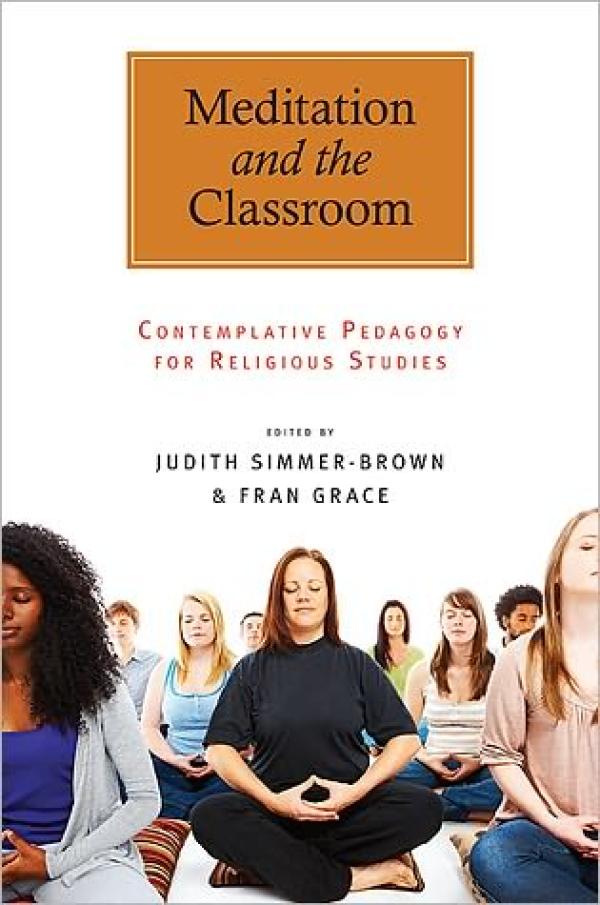
A groundbreaking book on using meditation in education and how it can enhance teaching and learning. Meditation and the Classroom inventively articulates how educators can use meditation to educate the whole student. Notably, a number of universities have initiated contemplative studies options and others have opened contemplative spaces. This represents an attempt to address the inner life. It is also a sign of a new era, one in which the United States is more spiritually diverse than ever before. Examples from university classrooms and statements by students indicate benefits include increased self-awareness, creativity, and compassion. The religious studies scholars who have contributed to this book often teach about meditation, but here they include reflections on how meditation has affected them and their teaching. Until recently, though, even many religious studies professors would find sharing meditation experiences, let alone teaching meditation techniques, a breach of disciplinary and academic protocols. The value of teaching meditation and teaching about meditation is discussed. Ethical issues such as pluralism, respect, qualifications, power and coercion, and avoiding actual or perceived proselytization are also examined. While methods for religious studies are emphasized, the book provides valuable guidance for all those interested in this endeavor. (From the Publisher)
Journal Issue. Full text is available online.

Journal issue. Full text is available online.
Wisdom or questing to know God and the world evokes fear through case studies of the controversial Reimagining Conference and the race related responses to the O. J. Simpson verdict, the fear of knowing God (which included the fear of questioning dominant metaphors of God) and the fear of knowing ourselves are explored. From this analysis, a view of wisdom is proposed and also an approach to education that inspires and encourages people to seek to know and respond to God and the world.
In this edited transcript of a panel at the Society of Biblical Literature (November 23, 2009, Boston, Massachusetts), five Bible scholars give brief presentations on various challenges and opportunities encountered when teaching academic biblical studies courses online in both undergraduate and theological education contexts. Each presentation is followed by questions from the audience and discussion. Topics include: a typology of different approaches to online teaching, advantages and disadvantages of online compared to face-to-face classrooms (for both students and faculty), opportunities for imaginative exercises online, the advantages of online threaded discussions, and the joys and pitfalls of bringing your course into an online environment for the first time.
Effective pedagogy in the capstone course or integrative seminar — a 1000 word response to a Call for Papers.