Resources
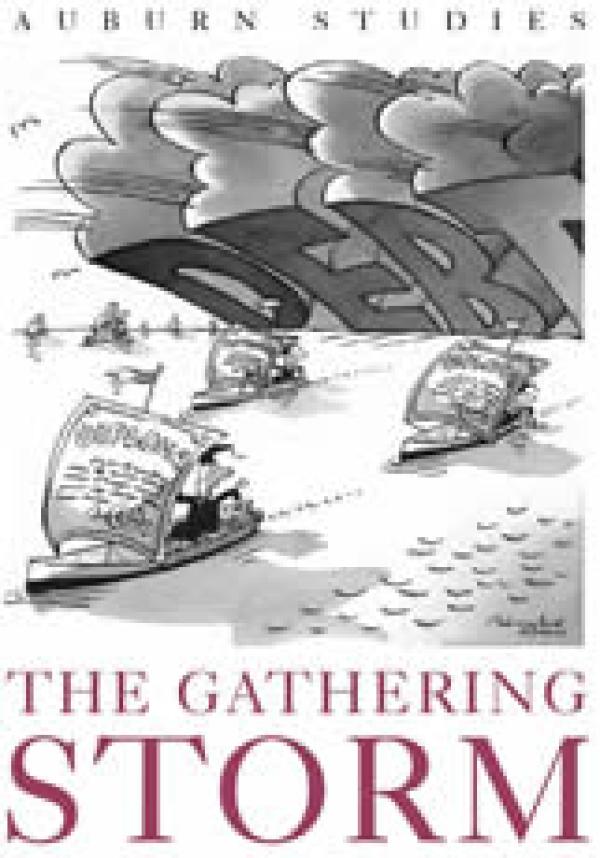
This issue on the educational debt of theological students revisits a topic first studied ten years ago by the Auburn Center for the Study of Theological Education. The 1995 report found that debt was indeed becoming a problem for a significant, although small, proportion of students. A majority of students now carry educational debt, and they are borrowing larger amounts than in the past. As a result, many theological school graduates report that their level of debt is affecting their career choices, holding them back from purchasing homes, preventing them from saving for their children’s education, limiting their retirement savings, causing them to delay health care needs, and creating stress in their personal and professional lives. Some students, schools, denominations and congregations have, in response to the signs of impending trouble, found ways to keep debt under control. All resources of the church—educational, institutional, theological, financial—need to be brought to bear to avoid the gathering storm of debt that threatens the next generation of clergy and lay church professionals. (From the Publisher)
From the Publisher This book initiates a new conversation about how theological education might be re-envisioned for the twenty-first century church. The prevailing curricular structure in today’s seminaries and divinity schools was fashioned in a very different era – one that assumed the continued cultural dominance of Christianity and the continued academic dominance of the canons of Enlightenment reason. Neither assumption is viable in today’s post-Christian world; hence, our new circumstances demand a new vision for theological education. The authors of this volume offer an important resource for this project through their creative appropriation of the classical rhetoric tradition, particularly as it has been rehabilitated in the contemporary context. Like St. Augustine, they believe that the chief goals of Christian theology are similar to those of classical rhetoric: “to teach, to delight, and to move.” And the authors are united their conviction that these must also be the goals of theological education in a post-Christian era. This volume arises out of a passionate commitment to the cause of theological education. The authors hail from a wide range of denominational traditions and have taught in numerous seminaries and divinity schools. They have also studied the classical and postmodern rhetorical traditions in both theory and practice. They met as a group on numerous occasions to read one another’s contributions to the volume and to offer guidance for the process of rewriting. As a result, this book is much more than a mere collection of essays; it is a jointly-authored work, and one which presents an integrated vision for the future of theological education.
Contemporary theological education is facing profound changes. Fundamental shifts in both church and society have established a volatile context for theological teaching and learning. Seminaries are struggling with the growing diversity of their students, faculties, and institutional commitments. This book addresses these issues both contextually and historically, engages the nature of theological teaching and learning, and offers educational practices that strengthen the vocation of teaching and enhance the school as a place of conversation. (From the Publisher)
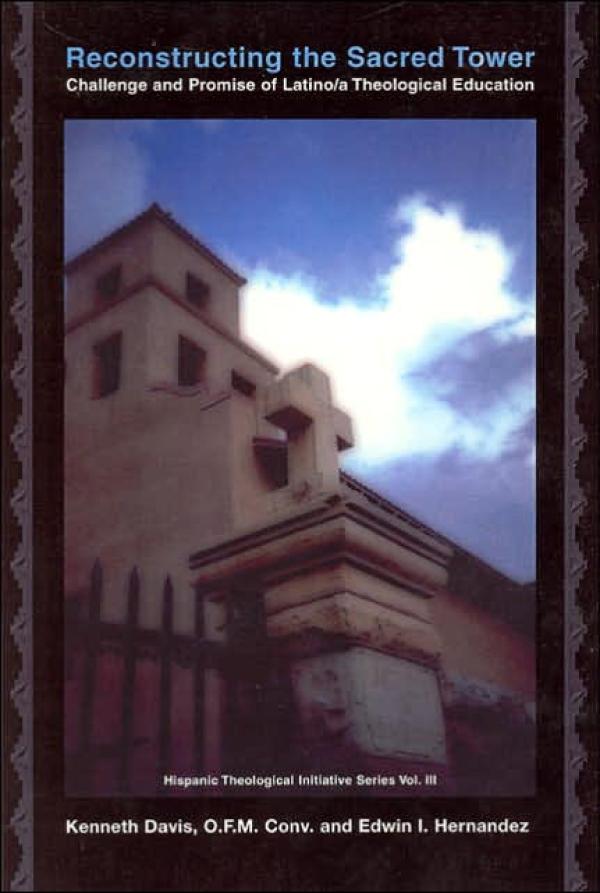
The Hispanic community in the United States is growing by leaps and bounds. The most important institution in Hispanic barrios is the church. Government programs come and go, but the churches remain. So what could be more important than good Hispanic theological leadership? This book is unblinking about the problems involved. Lacking are financial and intellectual resources in otherwise excellent seminaries and other educational institutions. At the same time the book offers a vision of hope. It uses solid data to describe the willingness of many young people to get involved in religious leadership. It shows their eagerness to learn and to serve. The book concludes with a number of well examined and down to earth recommendations. (From the Publisher)
Journal Issue

This book offers a close-up look at theological education in the United States today. The authors' goal is to understand the ways in which institutional culture affects the outcome of the educational process. To that end they undertake ethnographic studies of two seminaries - one evangelical and one mainline Protestant. These studies, written in a lively journalistic style, make up the first part of the book and offer fascinating portraits of two very different intellectual, religious, and social worlds. The authors then go on to examine these disparate environments and suggest how, in each case, school culture acts as an agent of educational change. This unique and practical study should be of great interest to both students and scholars of American religion, to theological educators, and to educators generally. (From the Publisher)
Graduate Theological Education and the Human Experience of Disability examines graduate schools of theology and their limited familiarity with the study of disability -- and the presence of people with disabilities in particular -- on their campuses. Dubbed a "missing note" by one theologian, this text offers critical research and illuminates new pathways for theologia and practice in the community of faith. Reviews of previous literature, theology, and practices illuminate how people with disabilities have historically been marginalized by the religious community. Theologians, people with disabilities and researchers offer suggestions for incorporating disability studies into theological education and religious life. (From the Publisher)