Resources
Noted literary critic Patricia Meyer Spacks has gathered together a group of both liberal and conservative professors to answer the question of whether or not a teacher can still bring passionate commitment to an idea into the classroom as a way of engaging students in a meaningful way. (From the Publisher)
The contributors to "Spirituality and the Curriculum" explore ways in which spirituality can be diverted from its confinement as an academic subject and be incorporated into education to help children develop in this important area of human endeavour. (From the Publisher)

This is the final volume in a trilogy of works that examine the impact of writing and reading about traumatic subjects. "Diaries to an English Professor" (1994) explores the ways in which undergraduate students use psychoanalytic diaries to probe conflicted issues in their lives. "Surviving Literary Suicide" (1999) investigates how graduate students respond to suicidal literature-novels and poems that portray and sometimes glorify self-inflicted death. In Risky Writing, Jeffrey Berman builds on those earlier studies, describing ways teachers can encourage college students to write safely on a wide range of subjects often deemed too personal or too dangerous for the classroom: grieving the loss of a beloved relative or friend, falling into depression, coping with the breakup of one's family, confronting sexual abuse, depicting a drug or alcohol problem, encountering racial prejudice. Berman points out that nearly everyone has difficulty talking or writing about such issues because they arouse shame and tend to be enshrouded in secrecy and silence. This is especially true for college students, who are just emerging from adolescence and find themselves at institutions that rarely promote self-disclosure. Recognizing the controversial nature of his subject, Berman confronts academic opposition to personal writing head on. He also discusses the similarities between the "writing cure" and the "talking cure," the role of the teacher and audience in the self-disclosing classroom, and the pedagogical strategies necessary to minimize risk, including the importance of empathy and other befriending skills. (From the Publisher)
Journal Issue.
A smart, compassionate look at the important and often bewildering questions young adults face in their search for purpose, meaning and faith, and a clarion call to concerned adults to actively mentor the next generation. (From the Publisher)
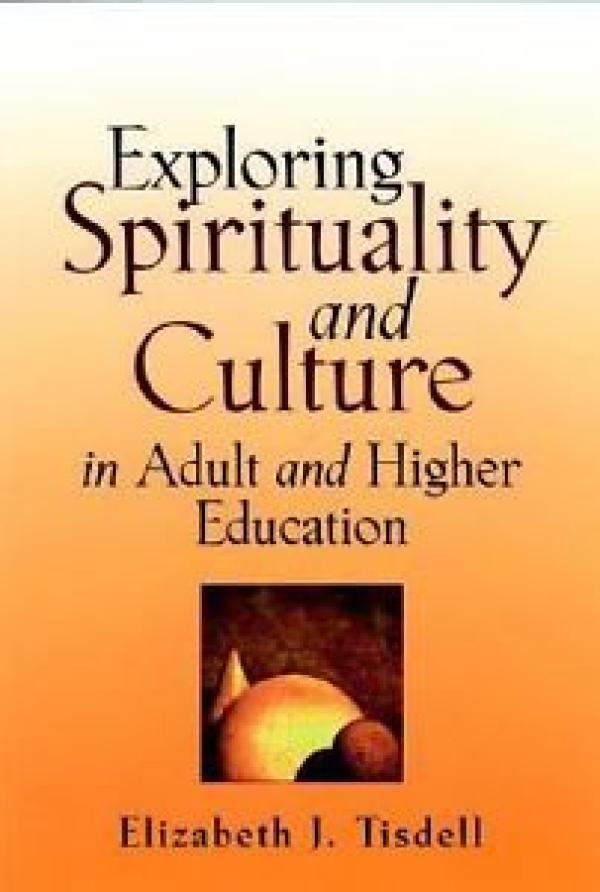
"Exploring Spirituality and Culture in Adult and Higher Education is written from the unique perspective of teacher, researcher, and author Elizabeth Tisdell, who has extensive experience dealing with culture, gender, and educational equity issues in secular adult and higher education classrooms, and formerly in pastoral and religious education settings on college campuses. This book discusses how spiritual development is informed by culture and how this knowledge is relevant to teaching and learning. For educators, an understanding of how spirituality is informed by culture, and how spirituality assists in meaning-making, can aid in their efforts to help their students' educational experiences become more transformative and culturally relevant." Throughout this book, Elizabeth Tisdell shows higher and adult educators how they can draw on both psychological and sociocultural aspects of spirituality to facilitate ongoing knowledge construction in their students - and themselves. For example, educators and students can use classroom activities that incorporate image, symbol, music, and art forms that focus on both the commonalities and differences of human experience. (From the Publisher)
In this issue, the authors argue that adult educators must find ways to add a spiritual dimension to their practice if they are to take a truly comprehensive approach to adult education, one that meets all of adult learners needs. They show how an integral part of adult education is helping learners discover a sense of meaning and purpose in their lives, a feeling of connection with something larger than themselves. The contributors discuss how mentoring, self-directed learning, and dialogue can be used to promote spiritual development, and advocate the learning covenant as a way of formalizing the sanctity of the bond between learners and educators. They draw on examples from settings as varied as continuing professional education, community development, and health education to show how a spiritual dimension has been been successfully integrated into adult education programs. (From the Publisher)
A key study for understanding the transformation of meaning in young adults. (From the Publisher)