Resources
Describes an approach to faculty development that relies on faculty learning from one another through peer observation. Rather than equating such observation with evaluating a colleague's performance, faculty observers are urged to approach the assignment as "students of teaching."
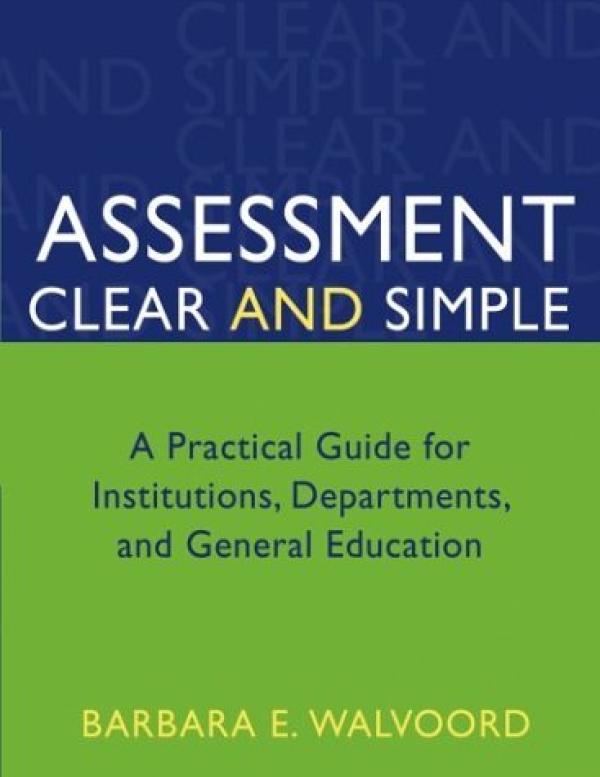
Assessment Clear and Simple is "Assessment 101" in a book -- a concise, step-by-step guide written for everyone who participates in the assessment process. This practical book helps to make assessment simple, cost-efficient, and useful to the institution, while at the same time meeting the requirements of accreditation agencies, legislatures, review boards, and others. Assessment Clear and Simple can help your institution employ assessment as a powerful instrument for improvement and provide a basis for wiser planning, budgeting, and change in curriculum, pedagogy, staffing, programming, and student support. (From the Publisher)
This report relates to the concept of teaching portfolios. It discusses the importance of accounting for institutional culture when introducing the concept of teaching portfolios. Includes information on how the department chair can help to improve teaching. (From the Publisher)
Reviews the importance of departmental evaluation of teaching and provides an overview of options for putting an evaluation process in place. References and appendices with real examples of evaluative forms and processes. Idea Paper no. 36, from the series developed by the Center for Faculty Evaluation and Development, Kansas State University.
Describes the seven areas that should be considered when evaluating teaching: subject matter mastery, curriculum development, course design, delivery instruction, assessment of instruction, availability to students, and administrative requirements. Idea Paper no. 21, from the series developed by the Center for Faculty Evaluation and Development, Kansas State University.
Presents the teaching philosophy of a Columbia University assistant professor who has learned to win good evaluations from his students. Opinion that, as of January, 2001, colleges are following a business model which allows parents and students to think of courses as services; Statement that instructors need to teach the teachable and please the unteachable, in the interest of getting high ratings.
Examines the author's teaching evaluations to help understand what they measure and how they may be used to make changes in classroom performance. States that teachers should view teaching evaluations as an opportunity to develop as teachers.