Resources
Journal Issue. Full text is available online.

A Many Colored Kingdom explores Christian formation and teaching in the church, with a particular focus on intercultural and interethnic relationships. Well qualified to speak on issues of diversity, the authors describe relevant aspects of their own personal journeys, presented in compelling narrative form. They go on to identify key issues emerging from their Scripture studies and teaching experiences. A final chapter contains a conversation among the authors as they respond to one another's insights and concerns. This book will be required reading for those engaged in as well as those preparing for a life of teaching and ministry in our increasingly multicultural world. (From the Publisher)
The president of Pittsburgh Theological Seminary addresses everyone who has a stake in theological schools and education: educators, administrators, students, and donors. He discusses institutional challenges, program challenges, and student concerns. Each chapter ends with an issue for discussion. (From the Publisher)
Journal Issue. Full text is available online.
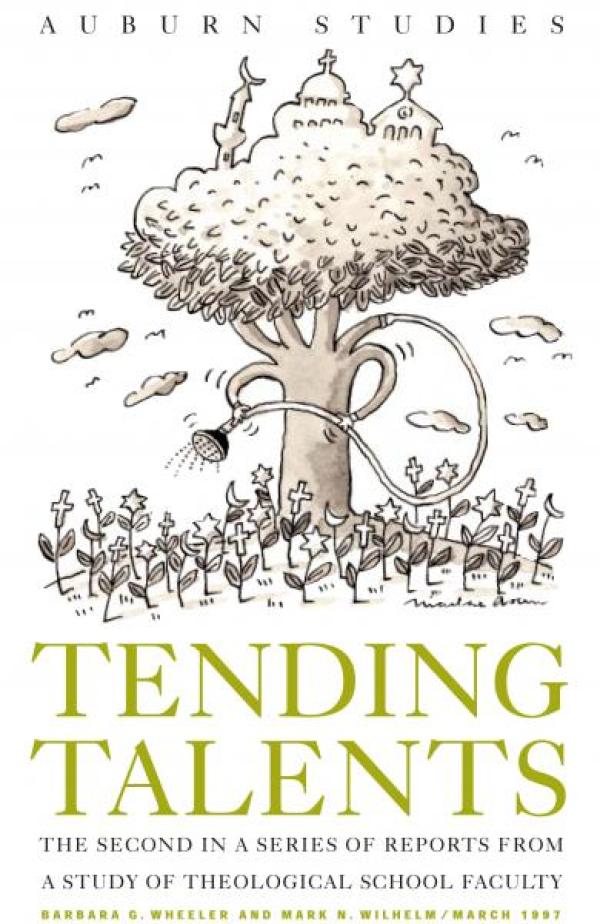
Diversity—gender, class, racial, ethnic, theological, sexual orientation as well as personality, learning style, ability, and experience— exists as threat and promise, problem and possibility in theological education. The negotiations of administrators, faculty, students, and school constituencies that make up the dynamics of difference in theological education are particularly intense, and occasionally volatile, in decisions about who should teach, what should be taught, and how we should teach. Reflecting on my conscientization to these dynamics during my own career as theological educator and administrator, I argue that the interdependence of theological school pedagogies of formation and empowerment for ministry must be revisioned. This means, at least, expanding our assumptions about education and teaching by exploring pedagogical possibilities emerging from the embrace of differences among us and by viewing the community of teaching and learning as an ecology of language processes, cultural patterns, and world views. The essay concludes with three suggestions for altering pedagogical practices in the diverse theological education setting: the diversification of assessment patterns; the clear and expansive articulation of guidelines, criteria, and standards for learning; and the establishment of rules of discourse to ensure the participation of all.
Journal Issue. Full text is available online.
Journal Issue.
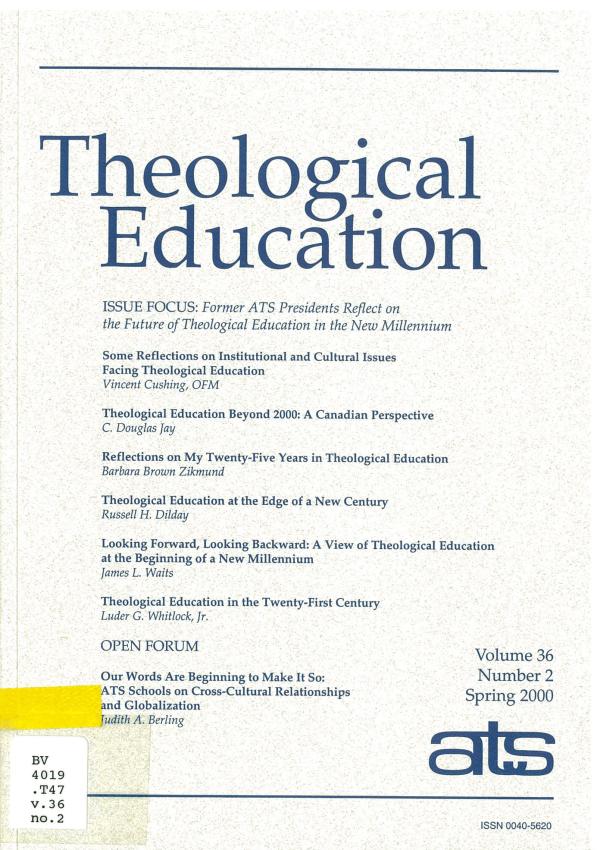
Journal Issue. Full text is available online.