Resources
The following list is offered in the spirit of starting things off right. It is a catalog of suggestions for college teachers who are looking for fresh ways of creating the best possible environment for learning. The first three weeks of a course are especially important, studies say, in retaining capable students.
Sooner or later, almost every university teacher confronts having to teach a course with 200 students in it, or suddenly finds 60 enrolled in a course so carefully designed for 20. For that teacher, we here present Maryellen Gleason's all-too-necessary "survival kit," a set of ideas and resources that recognizes the special challenges of the large class and that can enhance it as an environment for student learning.
Discusses how college teachers can deal with multiculturalism in the classroom. Faculty arguments over diversity requirements in the curriculum; Intercultural education among students of diverse cultures and ethnicities; Strategies for multicultural discussions.

Leypoldt provides forty distinct ways to teach young people and adults, with diagrams to illustrate each method. (From the Publisher)
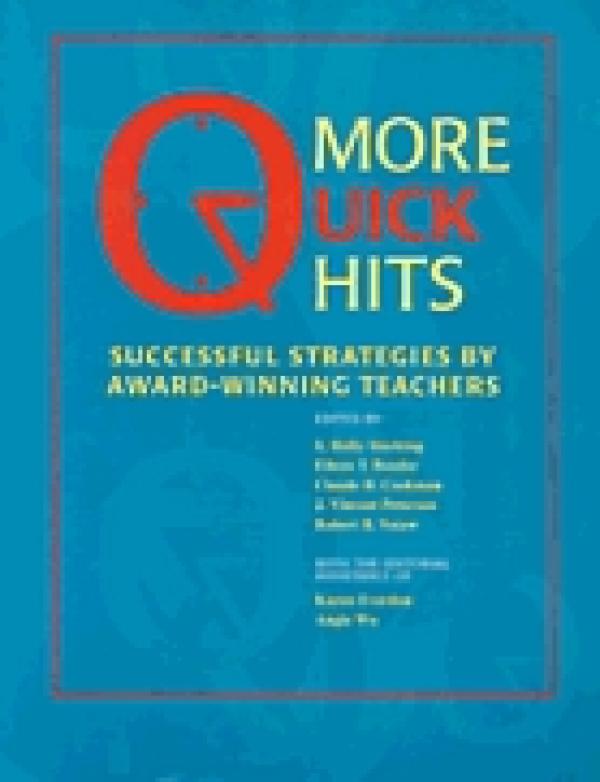
Learning used to be taken for granted by teachers. No more. Growing numbers of teachers realize that teaching does not always promote learning. More Quick Hits offers simple but successful strategies that award-winning teachers have found promote learning. Included among these strategies are tips for designing courses and environments that promote learning, and advice on creating learning communities — communities where not only students learn, but teachers do too. More Quick Hits also includes special sections on service and learning, technology and learning, and using assessment and evaluation for learning. Finally, More Quick Hits offers thoughts on how teachers themselves learn about teaching, including through their mistakes. An annotated "Quick List" of weightier resources on teaching and learning is included at the end of the volume, and "Quick Wits" — words and pictures to both encourage and amuse — are sprinkled throughout the book. (From the Publisher)

The first Quick Hits were collected in 1991 at a colloquium of Indiana University faculty who had gathered to exchange tips about successful teaching. Each participant described a particular challenge and explained how he or she handled it. There are four main areas: General Teaching Tips, Student Motivation and Involvement, Philosophies of Teaching and Learning, and Discipline-Specific Ideas. Covered are such subjects as first days, teamwork, student boredom, classroom leadership, writing, science, history, music...and much more. (From the Publisher)
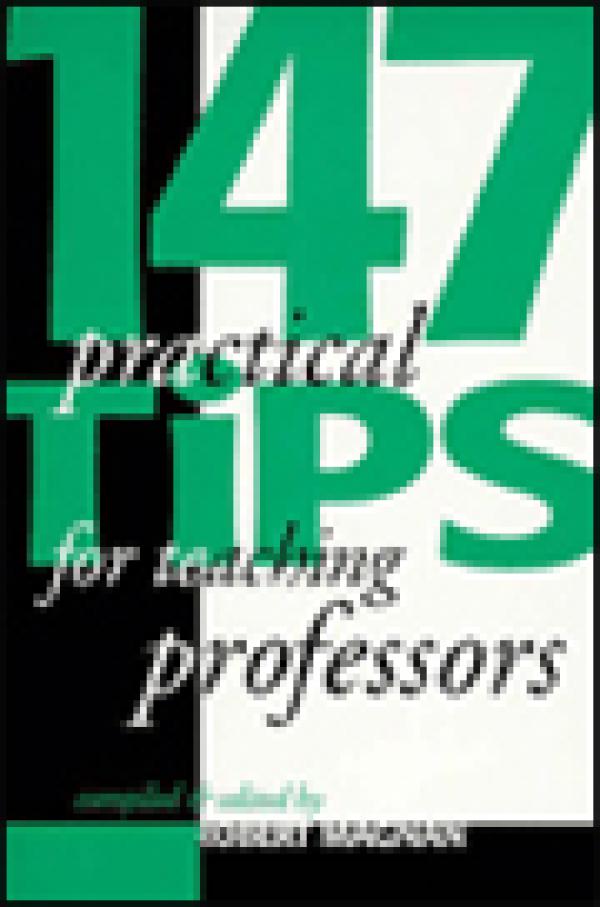
Whether you're new to teaching or an experienced veteran, this is a book you'll want to keep handy. From pre-term activities right through final exams, grading, and evaluation, 147 Practical Tips covers all the important phases of the teaching process. Educators use 147 Practical Tips for a quick idea to spice up a class. Teaching and learning centers keep shelf copies as a reference for faculty and teaching assistants. And Chairs and Deans give the book to their faculty during orientation. Take advantage of the special pricing to the right so your colleagues can share these teaching tips. (From the Publisher)
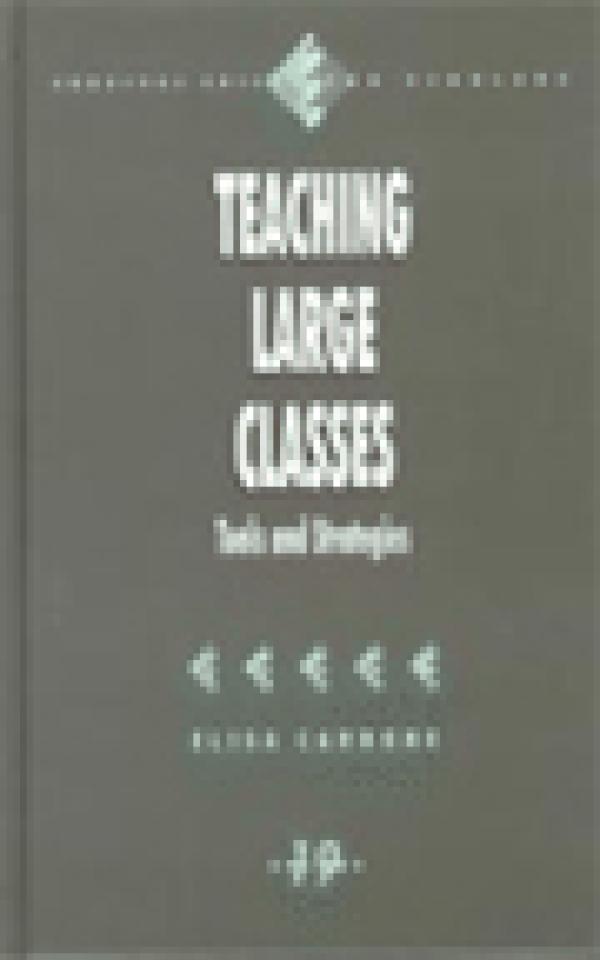
You have finished your Ph.D. and landed your first academic job. Scanning the fine print, you realize the introductory class you have been assigned to teach is being held in an auditorium. A really big auditorium. Panic begins to set in. . . . In this handy and practical book, Elisa Carbone offers a wealth of sound advice on how to deal with a large class, from the first day to end-of-semester evaluations. Full of examples taken from many different disciplines, Teaching Large Classes will be an ideal companion for any teacher facing the challenge of the large introductory class. (From the Publisher)
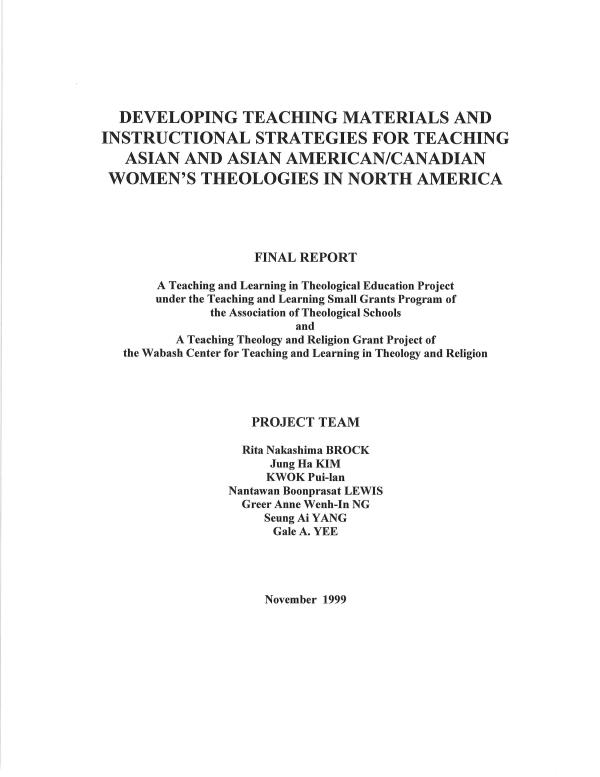
Analysis, resources, and recommendations by a colloquy of 7 Asian and Asian North American professors of religious and theological studies in largely white institutions. What impact does this isolation have on their functioning as faculty, and specifically in their attempt to introduce Asian or Asian North American perspectives into their respective theological disciplines? What extra constraints or requirements are placed on their struggle to teach as effectively and faithfully as they would like? And what about the dynamics of teaching primarily white or other non-Asian students?