Resources
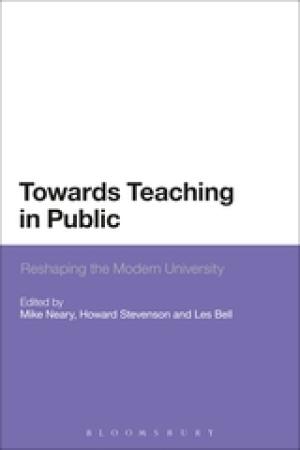
Click Here for Book Review Abstract: Towards Teaching in Public: Reshaping the Modern University explores how the contested relationships between policy, curriculum and pedagogy are reshaping the modern university and examines the impact of conceptualisations of teaching in public on this debate in this age of academic capitalism. It traces the emergence of strategies for open access, with particular reference to the contribution of technology and e-learning, to the emergence of teaching in public as a critique of current educational policy. The contributors combine policy analysis with a consideration of pedagogical issues and an exploration of the student experience. This collection draws together chapters by experienced scholars and practitioners within the field of teaching and learning in higher education. (From the Publisher)
Identifies key changes in values and behaviors that are changing higher education. Discusses technological changes, the ways in which people engage each other and technology; and the implications of these changes for higher education.
One challenge in teaching is designing a learning environment for students who span multiple generations. I’ll focus on this challenge in two blog posts. This first post will look more closely at “non-traditional” or “adult” learners as a demographic group, and suggest ways to support them in our classes. The second post will look at the so-called generational differences between students of different ages. Across both posts, I’ll include cautions for classifying students into neatly defined categories and suggest some strategies for supporting the learning of all students.
Interview with L. Lee Knefelkamp, a professor of psychology and education at Columbia University. Stresses the diversity of higher education learners, including adult learners. Emphasizes the notion of faculty as co-learners with students. Notes the importance of the work of K. Patricia Cross regarding adult learners.
Blog post at Faculty Focus. Highlights five elements to create a better learning environment for adult learners: treat them as adults; be aware of skills gap; consider technology gap; be efficient; and be creative.
Two-page PDF from the College of Education at the University of Texas at Austin. Provides brief tips on adult learning in three categories: motivation to learn; curriculum design; and learning environment.
Extensive workbook reviews differences in adult and child learners and discusses adult learning styles. Offers strategies on presentation, facilitation, course design, and course evaluation. Includes sample materials in appendices.
Provides biographical information on Malcolm Knowles, one of the pioneers in teaching adult learners. Discusses his contributions to adult learning theory and highlights desired adult learning outcomes. Outlines key differences in teaching adult learners and child learners.
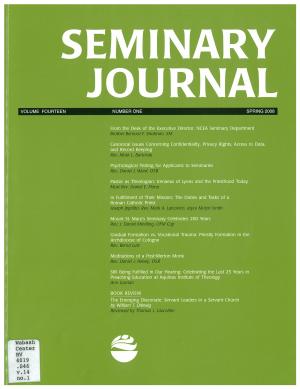
Journal Issue.
This University of Illinois resource provides all an instructor needs to get started with role-playing as an online (synchronous or asynchronous) learning activity: description, examples, goals & objectives, lesson outline and procedures, and guidelines for assessment and managing accessibility/accommodations.
Wabash Center Staff Contact
Sarah Farmer, Ph.D.
Associate Director
Wabash Center
farmers@wabash.edu