Resources
From Indiana University: Having students work in groups lets them practice the skills they are learning. Speaking in front of the whole class can be scary, and combined with the tension of speaking to the teacher, the situation can be downright terrifying to students. Breaking them up into groups not only develops social skills useful in the professional environment for which they are training, but gives them a chance to perform in a supportive environment before a test or even before having to do homework on the topic on their own. Includes: Organizing the Groups; Designating Roles in Groups; Sharing Group Results
Games help people develop a disposition toward collaboration, problem-solving, communication, experimentation, and exploration of identities, all attributes that promote success in a rapidly-changing, information-based culture
A collection of peer-reviewed problems, teaching notes, supplemental materials, and articles to assist educators in using problem-based learning in the classroom. Requires free online registration.
Series of web pages providing an overview of Elon College's robust program in undergraduate research.
Samford University website provides administrators, faculty, students, and parents with detailed information on the components, implementation, assessment, and documentation of PBL. Websites are specifically separated into PBL's background, process, evaluation, and resources. These pages also contain a guide to relevant workshops and conferences, materials, and links to other institutions that are using PBL in their undergraduate and/or graduate programs.
RubiStar is an online generator of assessment rubrics for student projects of all kinds: writing, oral, reading, multimedia, etc.
Simple orientation to Problem Based Learning with helpful how-to PDF files to download.
Mostly geared toward the sciences - but sample problems and curricula can be mined for information about the process of designing similar resources for religion/theology. Lots of links to additional resources.
A collection of peer-reviewed problems, teaching notes, supplemental materials, and articles to assist educators in using problem-based learning in the classroom. Requires free online registration.
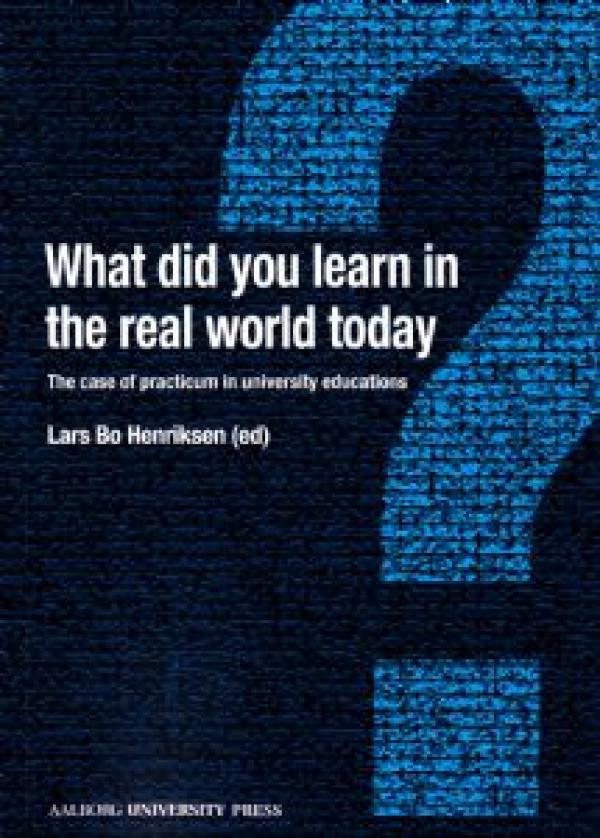
Click Here for Book Review Abstract: Practice, praxis, traineeship, internship, or practicum - these are all names for the specific arrangements where students from universities engage in real life experiences; in arrangements where they leave the secure tranquility of the university and enter into the chaotic world of work. Practicum is a very good way of learning, and it can be very interesting for all parties involved. The students appreciate it, even if it is cumbersome, frustrating, and requires a lot of work - work that is different from what they know in their previous encounters with the education system. This book asks a simple question in relation to practicum, paraphrasing Tom Paxton's song: What Did You Learn in the Real World Today? The question is asked without the irony of Paxton's original one, in order to find out what is learned in the practicum. The chapters in this book shed some light on this simple question. The question is confronted from philosophical and pedagogical perspectives, while investigating a number of cases of students' learning experiences in the real world. (From the Publisher)