Resources
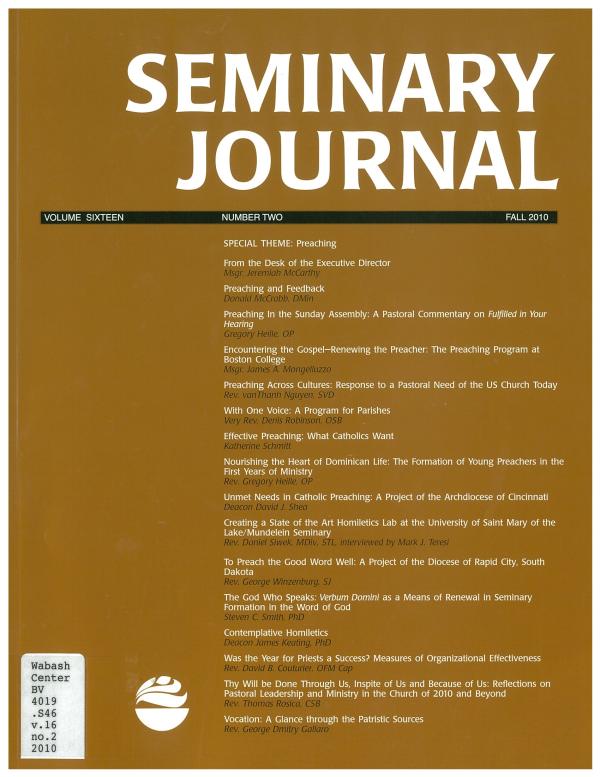
Journal Issue.
Learning in a Musical Key examines the multidimensional problem of the relationship between music and theological education. Lisa Hess argues that, in a delightful and baffling way, musical learning has the potential to significantly alter and inform our conception of the nature and process of theological learning. In exploring this exciting intersection of musical learning and theological training, Hess asks two probing questions. First, What does learning from music in a performative mode require? Classical modes of theological education often founder on a dichotomy between theologically musical and educational discourses. It is extremely difficult for many to see how the perceivedly nonmusical learn from music. Is musicality a universally human potential? In exploring this question Hess turns to the music-learning theory of Edwin Gordon, which explores music's unique mode of teaching/learning, its primarily aural-oral mode. This challenge leads to the study's second question: How does a theologian, in the disciplinary sense, integrate a performative mode into critical discourse? Tracking the critical movements of this problem, Hess provides an inherited, transformational logic as a feasible path for integrating a performative mode into multidimensional learning. This approach emerges as a distinctly relational, embodied, multidimensional, and non-correlational performative-mode theology that breaks new ground in the contemporary theological landscape. As an implicitly trinitarian method, rooted in the relationality of God, this non-correlational method offers a practical theological contribution to the discipline of Christian spirituality, newly claimed here as a discipline of transformative teaching/learning through the highly contextualized and self-implicated scholar into relationally formed communities, and ultimately into the world. (From the Publisher)
Seminary education requires that students learn a complex body of theological knowledge, engage in the practices of ministry, and develop as persons of faith and vocation. Utilizing the six aspects of significant learning experiences defined by L. Dee Fink – foundational knowledge, application, integration, the human dimension, caring, and learning how to learn – the author explores teaching practices that reframe knowing, doing, and being in seminary classrooms.
How do seminarians move from imagining ministry to embodying pastoral imagination? Stories gathered from seminarians in their final year of study show the complexity of shifting from classroom work, which foregrounds theory and intellectual imagination, to more embodied, relational, and emotionally intense engagements of ministry. Stories about learning ministry articulate a process we call the birth of pastoral imagination. New ministers test their use of knowledge acquired in classroom and books within the limits of actual ministry situations. They become overwhelmed by multiple variables in situations where they must make choices and act. These moments of action are fraught with risk and responsibility for the outcomes. Articulation and theological reflection are formative for students learning the practice of ministry. Implications for theological education include making greater “use of knowledge” in ministry practice and “use of practice” in classrooms. Points of crisis in the student stories raise additional questions about how some complications and interruptions to the “birth process” may present tragic consequences.
The word stewardship comes across as stale and mildly distasteful to many in the church today — as a term limited in its scope to euphemistic conversations about financial giving. Yet, as Ronald Vallet points out, when the apostle Paul refers to “stewards of the mysteries of God” (1 Cor. 4:1), he’s talking about something much deeper and richer than fund-raising. (From the Publisher)
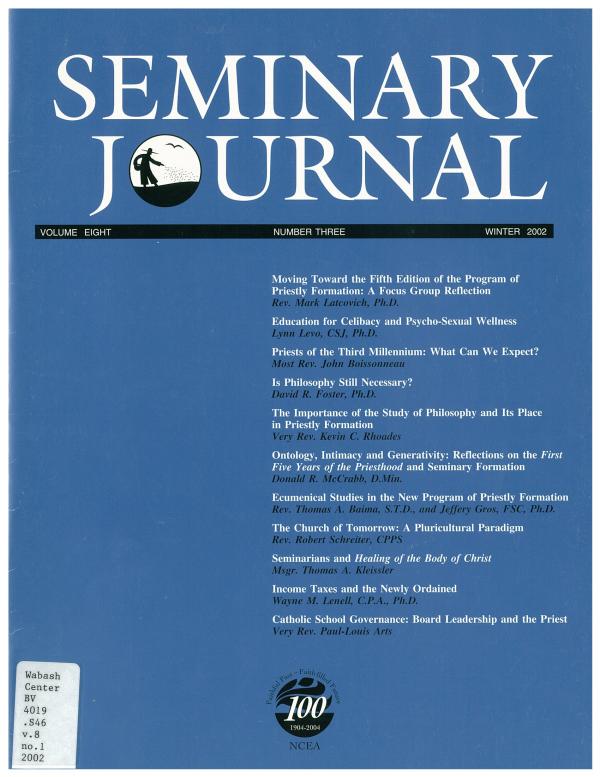
Journal Issue.
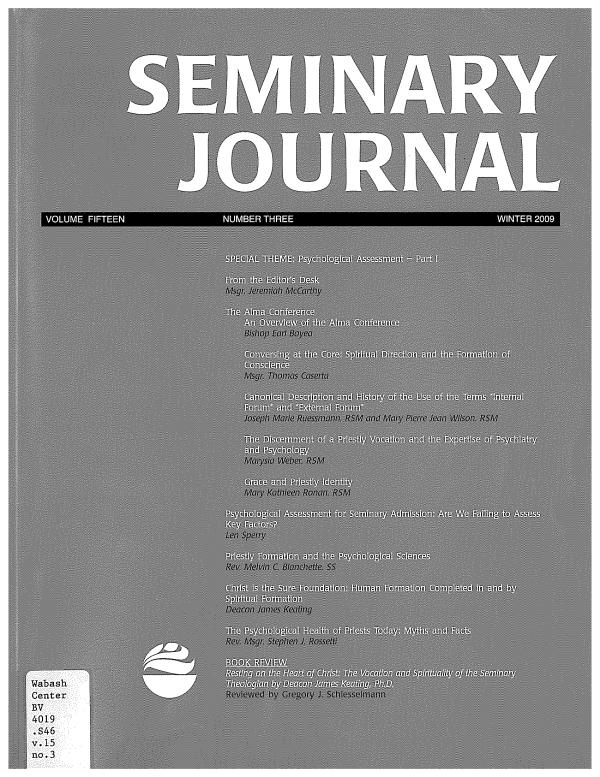
Journal Issue.
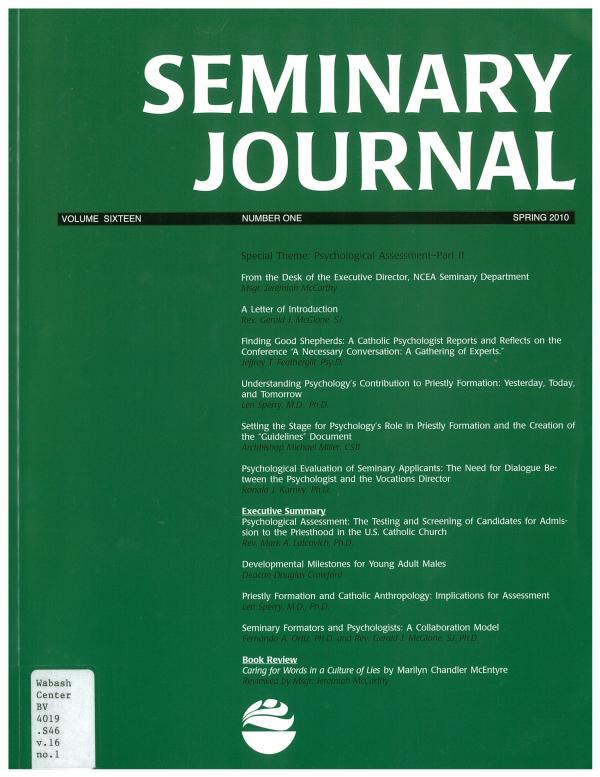
Journal Issue.
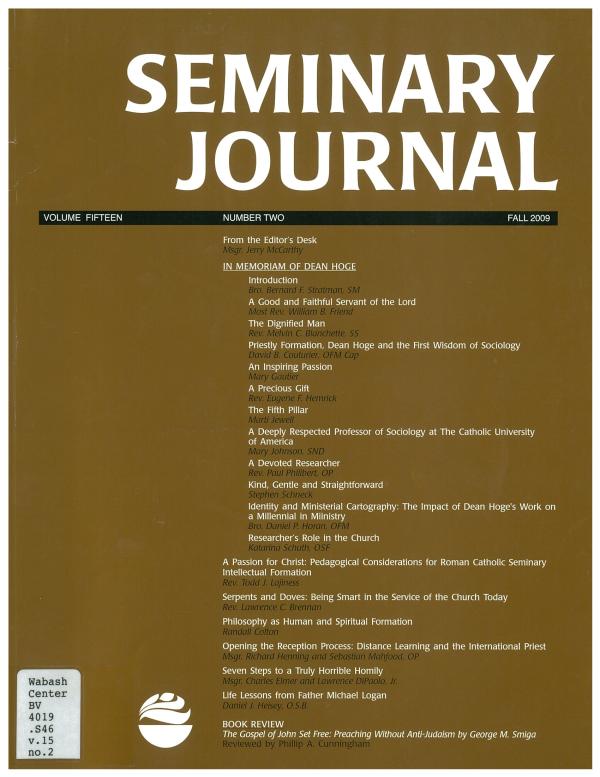
Journal Issue.
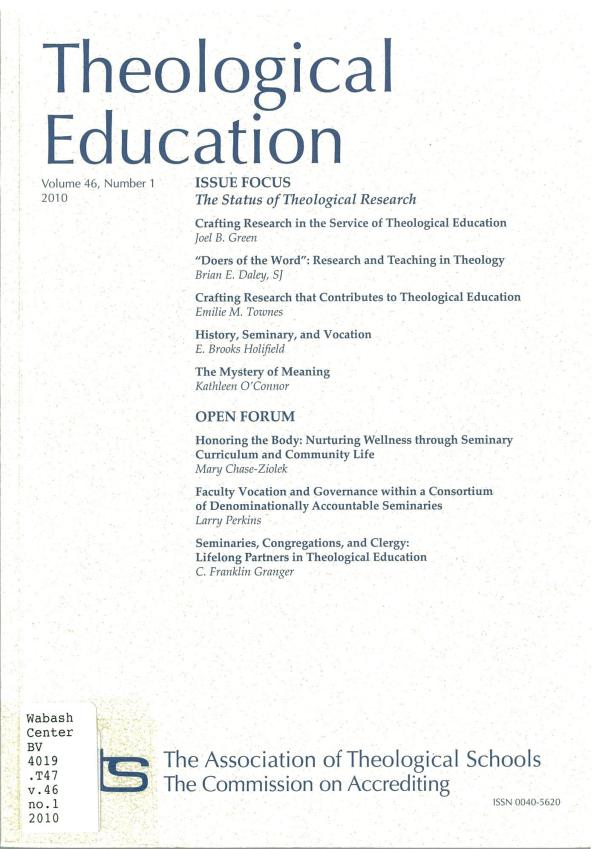
Journal Issue. Full text is available online.