Resources
An e-book with chapters on various stages of the academic career (graduate school, job search, alternative career options), as well as a chapter on "Dealing with Difficult Issues" and suggested resources.
A faculty learning community is a faculty group engaging in activities that provide learning, development, and community. This web page lists 10 qualities guide the design and process of a faculty learning community.
This 34 page study by The Collaborative on Academic Careers in Higher Education (Harvard University) explores how Generation X (born 1964-1980) faculty are approaching their jobs, long-term careers, and work-life balance, and examines if and how the generational “clashes” reportedly arising in the workforce are being manifested in the academic environment.
Web site providing the full text of the American Association of University Professors’ bimonthly publication, with the mission to advance academic freedom and shared governance, to define fundamental professional values and standards for higher education, and to ensure higher education's contribution to the common good.
The AAUP's website provides a wealth of materials to advance academic freedom and shared governance, to define fundamental professional values and standards for higher education, and to ensure higher education's contribution to the common good.
An accessible outline of ideas and advice on topics such as: keeping rack of what you need to do, planning your time, doing email, delegating tasks – for research, service, and teaching.
Personal, affirming but critical self-reflection on the evolution of a personal teaching style.
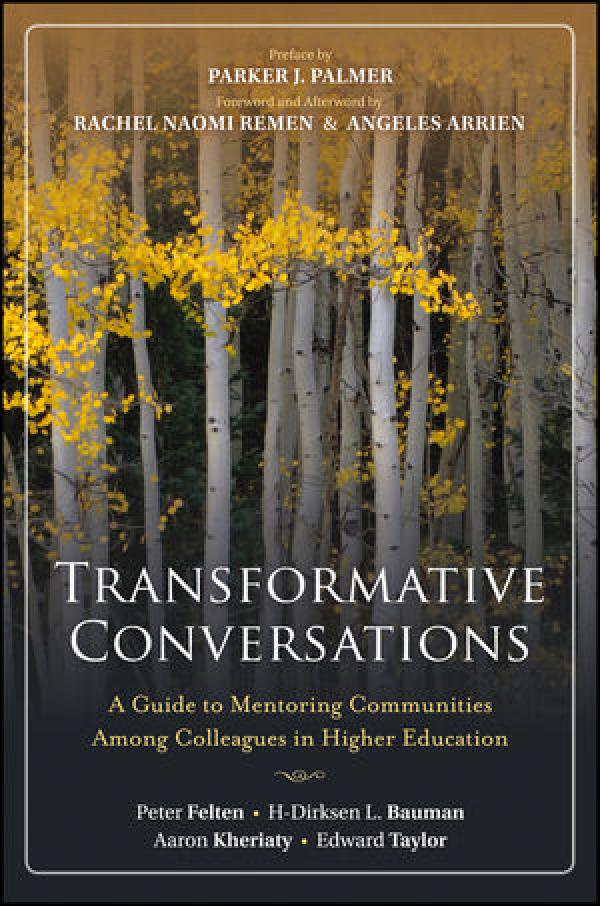
Click Here for Book Review Abstract: From the Inter-generational Mentoring Community project, which develops the next generation of academic leaders, comes formation mentoring, a process to enable faculty to recover, sustain, and further develop a sense of vocation, mission, and purpose. This book is a concise and practical guide to convening and sustaining these kinds of formation mentoring groups in higher education. It provides the necessary direction and structure to orient the process but is open-ended enough to apply across many settings and professional or educational disciplines. (From the Publisher)
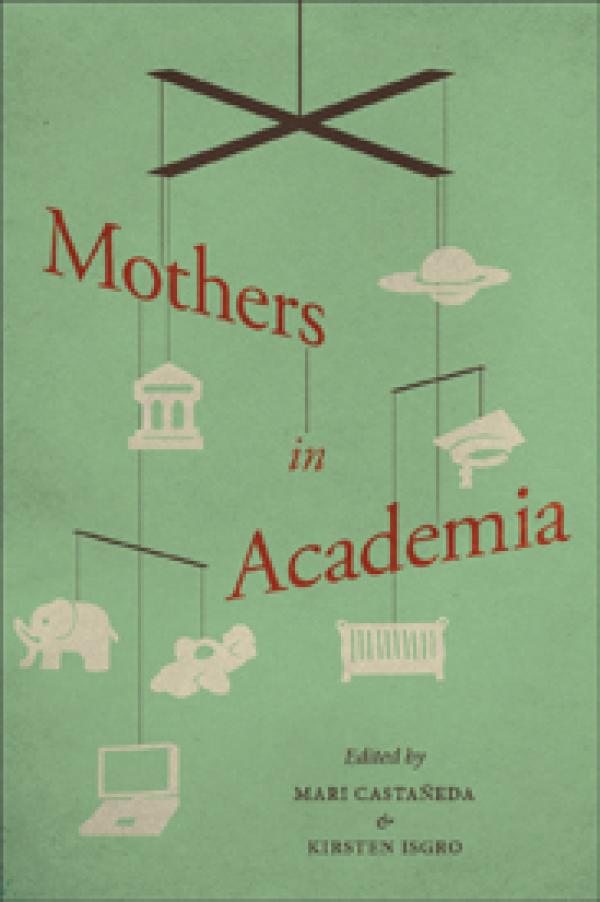
Featuring forthright testimonials by women who are or have been mothers as undergraduates, graduate students, academic staff, administrators, and professors, Mothers in Academia intimately portrays the experiences of women at various stages of motherhood while theoretically and empirically considering the conditions of working motherhood as academic life has become more laborious. As higher learning institutions have moved toward more corporate-based models of teaching, immense structural and cultural changes have transformed women’s academic lives and, by extension, their families. Hoping to push reform as well as build recognition and a sense of community, this collection offers several potential solutions for integrating female scholars more wholly into academic life. Essays also reveal the often stark differences between women’s encounters with the academy and the disparities among various ranks of women working in academia. Contributors—including many women of color—call attention to tokenism, scarce valuable networks, and the persistent burden to prove academic credentials. They also explore gendered parenting within the contexts of colonialism, racism, sexism, ethnocentrism, ageism, and heterosexism. (From the Publisher)
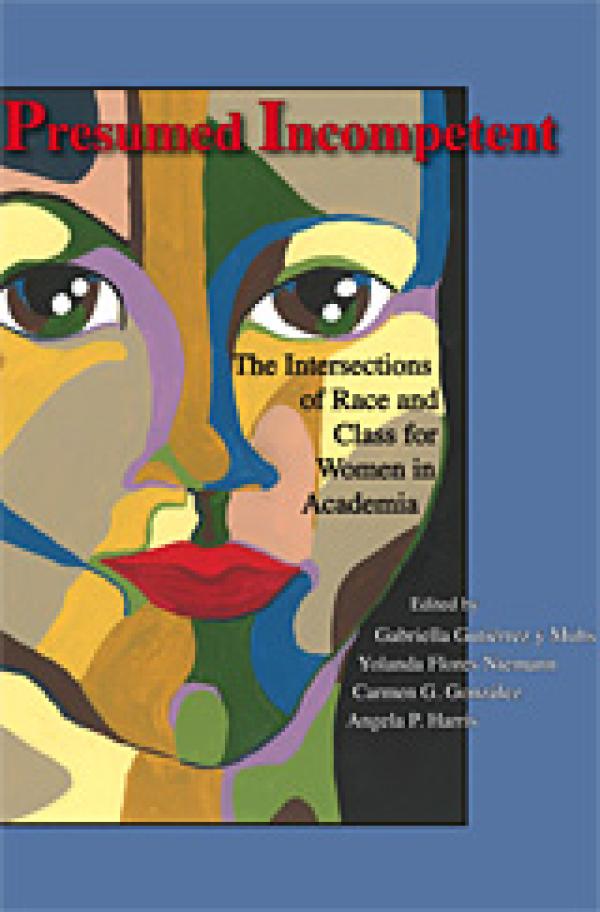
Presumed Incompetent is a pathbreaking account of the intersecting roles of race, gender, and class in the working lives of women faculty of color. Through personal narratives and qualitative empirical studies, more than 40 authors expose the daunting challenges faced by academic women of color as they navigate the often hostile terrain of higher education, including hiring, promotion, tenure, and relations with students, colleagues, and administrators. The narratives are filled with wit, wisdom, and concrete recommendations, and provide a window into the struggles of professional women in a racially stratified but increasingly multicultural America. (From the Publisher)