Resources
Numerous teaching techniques for collaborative and cooperative learning (apparently aimed at K-12, but useful for higher education as well).
Walks faculty through a comprehensive process to design and implement in-class group learning techniques
Simple orientation to Problem Based Learning with helpful how-to PDF files to download.
Mostly geared toward the sciences - but sample problems and curricula can be mined for information about the process of designing similar resources for religion/theology. Lots of links to additional resources.
A collection of peer-reviewed problems, teaching notes, supplemental materials, and articles to assist educators in using problem-based learning in the classroom. Requires free online registration.
For those who learn through spatial representation, the skills and activities associated with Bloom's Taxonomy are laid out here in a complex diagram (various selections found in google search).
Brief descriptions of different learning styles
An easy-to-use inventory to determine one’s Multiple Intelligence preferences
The definitive Multiple Intelligences Webpage. (Homepage of Thomas Armstrong, disciple of Howard Gardner, the educator responsible for appropriating multiple intelligences for classroom use.) Lots of useful information, links, suggestions.
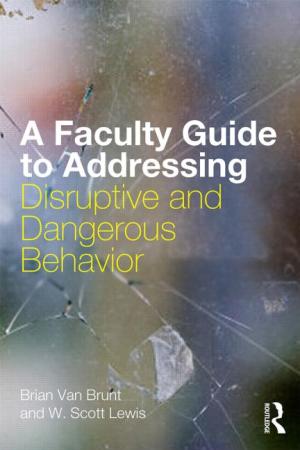
Click Here for Book Review Abstract: College and university faculty are asked to serve an increasingly diverse and at-risk population of students. They face disruptive and dangerous behaviors that range from speaking out of turn or misusing technology, to potentially agressive behavior. A Faculty Guide to Addressing Disruptive and Dangerous Behavior provides the practical ideas and guidance necessary to manage and mitigate these behaviors. Grounded in research and theory that addresses the interplay of mental health, substance abuse, and aggression that may enter the college classroom, this accessible book serves as a necessary guide for busy faculty members facing challenging situations in their classrooms. Special features include: Vignettes from seasoned faculty that provide thoughtful reflections and advice from everyday experience. Research-based suggestions and intervention techniques to help faculty better assess, intervene, and manage difficult behavior. Coverage of special populations, including nontraditional, veteran, and millennial students. Discussion of the latest laws and regulations that should affect and inform faculty’s decisions. (From the Publisher)
Wabash Center Staff Contact
Sarah Farmer, Ph.D.
Associate Director
Wabash Center
farmers@wabash.edu