Scholarship on Teaching
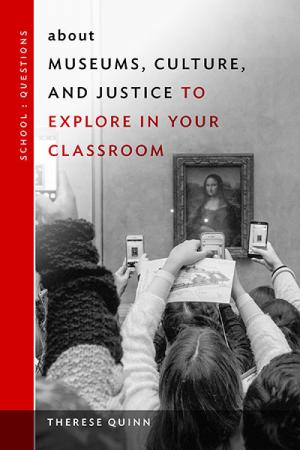
Museums are public resources that can offer rich extensions to classroom educational experiences, from tours through botanical gardens to searching for family records in the archives of a local historical society. With clarity and a touch of humor, Quinn presents ideas and examples of ways that teachers can use museums to support student exploration while also teaching for social justice. Topics include disability and welcoming all bodies, celebrating queer people’s lives and histories, settler colonialism and decolonization, fair workplaces, Indigenous knowledge, and much more. This practical resource invites classroom teachers to rethink how and why they are bringing students to museums and suggests projects for creating rich museum-based learning opportunities across an array of subject areas. (From the Publisher)
Volatile social dissonance in America’s urban landscape is the backdrop as Valerie A. Miles-Tribble examines tensions in ecclesiology and public theology, focusing on theoethical dilemmas that complicate churches’ public justice witness as prophetic change agents. She attributes churches’ reticence to confront unjust disparities to conflicting views, for example, of Black Lives Matter protests as “mere politics,” and disparities in leader and congregant preparation for public justice roles. As a practical theologian with experience in organizational leadership, Miles-Tribble applies adaptive change theory, public justice theory, and a womanist communitarian perspective, engaging Emilie Townes’s construct of cultural evil as she presents a model of social reform activism re-envisioned as public discipleship. She contends that urban churches are urgently needed to embrace active prophetic roles and thus increase public justice witness. “Black Lives Matter times” compel churches to connect faith with public roles as spiritual catalysts of change. (From the Publisher)
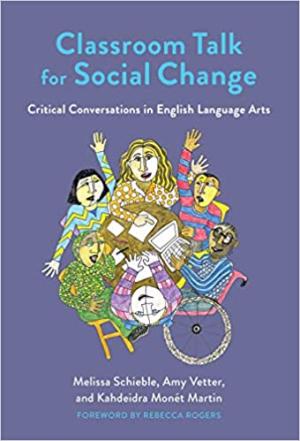
Learn how to foster critical conversations in English language arts classrooms. This guide encourages teachers to engage students in noticing and discussing harmful discourses about race, gender, and other identities. The authors take readers through a framework that includes knowledge about power, a critical learner stance, critical pedagogies, critical talk moves, and vulnerability. The text features in-depth classroom examples from six secondary English language arts classrooms. Each chapter offers specific ways in which teachers can begin and sustain critical conversations with their students, including the creation of teacher inquiry groups that use transcript analysis as a learning tool. (From the Publisher)
Issues tied to race and culture continue to be a part of the landscape of America’s schools and classrooms. Given the rapid demographic transformation in the nation’s states, cities, counties, and schools, it is essential that all school personnel acquire the necessary knowledge, skills, and dispositions to talk, teach, and think across racial and cultural differences. The second edition of Howard’s bestseller has been updated to take a deeper look at how schools must be prepared to respond to disparate outcomes among students of color. Tyrone Howard draws on theoretical constructs tied to race and racism, culture, and opportunity gaps to address pressing issues stemming from the chronic inequalities that remain prevalent in many schools across the country. This time-honored text will help educators at all levels respond with greater conviction and clarity on how to create more equitable, inclusive, and democratic schools as sites for teaching and learning. (From the Publisher)
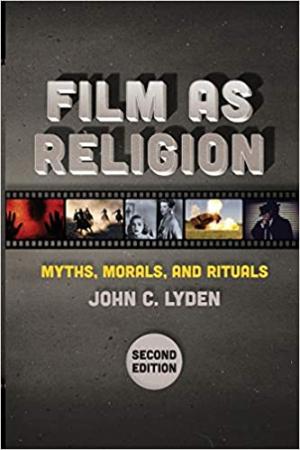
The first edition of Film as Religion was one of the first texts to develop a framework for the analysis of the religious function of films for audiences. Like more formal religious institutions, films can provide us with ways to view the world and the values to confront it. Lyden argues that the cultural influence of films is analogous to that of religions, so that films can be understood as representing a “religious” worldview in their own right. Thoroughly updating his examples, Lyden examines a range of film genres and individual films, from The Godfather to The Hunger Games to Frozen, to show how film can function religiously. (From the Publisher)

None of the Above asserts that a growing divide between religious and nonreligious populations could engender a greater distance in moral and political values and behaviors. At once provocative and insightful, this book tackles questions of coexistence, religious tolerance, and spirituality, as American and Canadian society accelerate toward a more secular future. (From the Publisher)
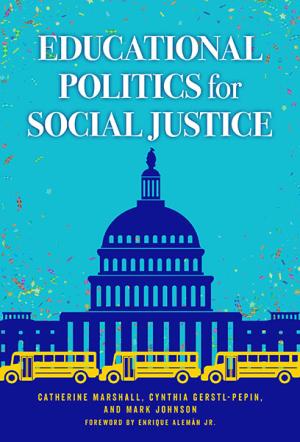
Employing a social justice framework, this book provides educational leaders and practitioners with tools and strategies for grappling with the political fray of education politics. The framework offers ways to critique, challenge, and alter social, cultural, and political patterns in organizations and systems that perpetuate inequities. The authors focus on the processes through which educational politics is enacted, illustrating how inequitable power relations are embedded in our democratic systems. Readers will explore education politics at five focal points of power (micro, local/district, state, federal, and global). The text provides examples of how to “work the system” in ways that move toward greater justice and equity in schools. (From the Publisher)
Teaching Mindful Writers introduces new writing teachers to a learning cycle that will help students become self-directed writers through planning, practicing, revising, and reflecting. Focusing on the art and science of instructing self-directed writers through major writing tasks, Brian Jackson helps teachers prepare students to engage purposefully in any writing task by developing the habits of mind and cognitive strategies of the mindful writer. Relying on the most recent research in writing studies and learning theory, Jackson gives new teachers practical advice about setting up writing tasks, using daily writing, leading class discussions, providing feedback, joining teaching communities, and other essential tools that should be in every writing teacher’s toolbox. Teaching Mindful Writers is a timely, fresh perspective on teaching students to be self-directed writers. (From the Publisher)
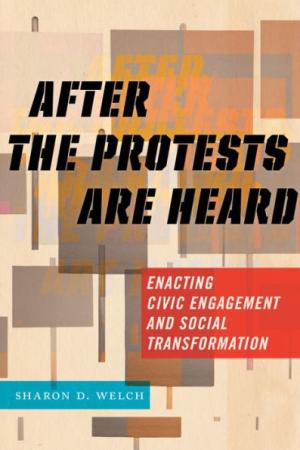
From the Women’s March in D.C. to #BlackLivesMatter rallies across the country, there has been a rising wave of protests and social activism. These events have been an important part of the battle to combat racism, authoritarianism, and xenophobia in Trump’s America. However, the struggle for social justice continues long after the posters and megaphones have been packed away. After the protests are heard, how can we continue to work toward lasting change? This book is an invaluable resource for anyone invested in the fight for social justice. Welch highlights examples of social justice work accomplished at the institutional level. From the worlds of social enterprise, impact investing, and sustainable business, After the Protests Are Heard describes the work being done to promote responsible business practices and healthy, cooperative communities. The book also illuminates how colleges and universities educate students to strive toward social justice on campuses across the country, such as the Engaged Scholarship movement, which fosters interactions between faculty and students and local and global communities. In each of these instances, activists work from within institutions to transform practices and structures to foster justice and equality. After the Protests Are Heard confronts the difficult reality that social change is often followed by spikes in violence and authoritarianism. It offers important insights into how the nation might more fully acknowledge the brutal costs of racism and the historical drivers of racial injustice, and how people of all races can contain such violence in the present and prevent its resurgence in the future. For many members of the social justice community, the real work begins when the protests end. After the Protests Are Heard is a must-read for everyone interested in social justice and activism – from the barricades and campuses to the breakrooms and cubicles. (From the Publisher)
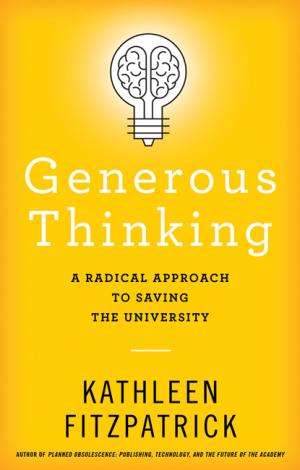
Higher education occupies a difficult place in twenty-first-century American culture. Universities—the institutions that bear so much responsibility for the future health of our nation—are at odds with the very publics they are intended to serve. As Kathleen Fitzpatrick asserts, it is imperative that we re-center the mission of the university to rebuild that lost trust. In Generous Thinking, Fitzpatrick roots this crisis in the work of scholars. Critical thinking—the heart of what academics do—can today often negate, refuse, and reject new ideas. In an age characterized by rampant anti-intellectualism, Fitzpatrick charges the academy with thinking constructively rather than competitively, building new ideas rather than tearing old ones down. She urges us to rethink how we teach the humanities and to refocus our attention on the very human ends—the desire for community and connection—that the humanities can best serve. One key aspect of that transformation involves fostering an atmosphere of what Fitzpatrick dubs "generous thinking," a mode of engagement that emphasizes listening over speaking, community over individualism, and collaboration over competition. Fitzpatrick proposes ways that anyone who cares about the future of higher education can work to build better relationships between our colleges and universities and the public, thereby transforming the way our society functions. She encourages interested stakeholders to listen to and engage openly with one another's concerns by reading and exploring ideas together; by creating collective projects focused around common interests; and by ensuring that our institutions of higher education are structured to support and promote work toward the public good. Meditating on how and why we teach the humanities, Generous Thinking is an audacious book that privileges the ability to empathize and build rather than simply tear apart. (From the Publisher)