Resources
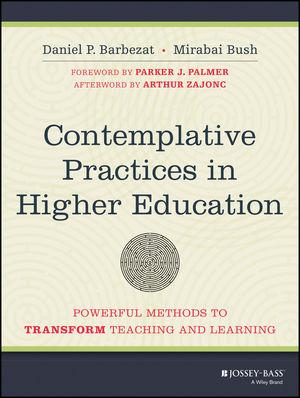
Click Here for Book Review Abstract: Contemplative pedagogy is a way for instructors to: - empower students to integrate their own experience into the theoretical material they are being taught in order to deepen their understanding; - help students to develop sophisticated problem-solving skills; - support students’ sense of connection to and compassion for others; and - engender inquiries into students’ most profound questions. Contemplative practices are used in just about every discipline—from physics to economics to history—and are found in every type of institution. Each year more and more faculty, education reformers, and leaders of teaching and learning centers seek out best practices in contemplative teaching, and now can find them here, brought to you by two of the foremost leaders and innovators on the subject. This book presents background information and ideas for the practical application of contemplative practices across the academic curriculum from the physical sciences to the humanities and arts. Examples of contemplative techniques included in the book are mindfulness, meditation, yoga, deep listening, contemplative reading and writing, and pilgrimage, including site visits and field trips. (From the Publisher)
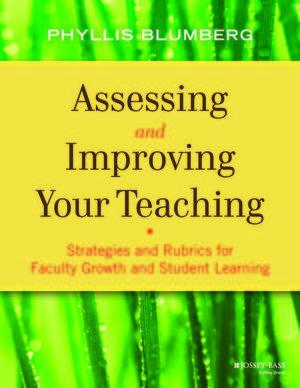
Click Here for Book Review Abstract: In order to make appropriate changes to improve your teaching and your students’ learning, first you need to know how you’re teaching now. Figure it out for yourself and invigorate your teaching on your own terms! This practical evidence-based guide promotes excellence in teaching and improved student learning through self-reflection and self-assessment of one’s teaching. Phyllis Blumberg starts by reviewing the current approaches to instructor evaluation and describes their inadequacies. She then presents a new model of assessing teaching that builds upon a broader base of evidence and sources of support. This new model leads to self-assessment rubrics, which are available for download, and the book will guide you in how to use them. The book includes case studies of completed critical reflection rubrics from a variety of disciplines, including the performing and visual arts and the hard sciences, to show how they can be used in different ways and how to explore the richness of the data you’ll uncover. (From the Publisher)
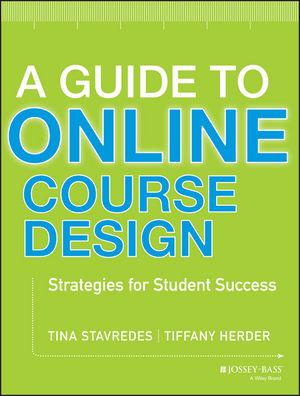
Click Here for Book Review Abstract: This book offers a much-needed resource for faculty and professional staff to build quality online courses by focusing on quality standards in instructional design and transparency in learning outcomes in the design of online courses. It includes effective instructional strategies to motivate online learners, help them become more self-directed, and develop academic skills to persist and successfully complete a program of study online. It also includes a more in-depth understanding of instructional design principles to support faculty as they move their face-to-face courses to the online environment.
Journal Issue.
If you're willing to move outside your familiar and comfortable way of teaching and try team teaching, you'll find many challenges but also many rewards.
I had absolutely no idea how to shift from the role of student to teacher. The School offered no guidance, apparently expecting me to know by osmosis how to teach.
More and more, graduate students are seeking quality training in leadership skills as well as in teaching and research.
The backlash against MOOCs and online learning in higher education has begun.
The article looks at illusions of rigor we often accept in teaching our courses and what in fact are more realistic approaches that can provide the same high quality outcomes.
The article looks at illusions of rigor we often accept in teaching our courses and what in fact are more realistic approaches that can provide the same high quality outcomes.