Search Results
9325 results found using the following search criteria: .
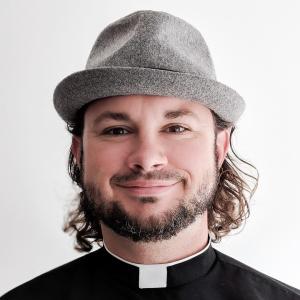
Serving as both a campus pastor and an adjunct instructor, I know that web-based teaching can feel disconnected for the students I'm called to serve. I'm also not satisfied with this reality. Thankfully, neither are my colleagues. Together, we're learning how to better design our web-based content to move from online teaching to digital formation. Formation is teaching that is received and incorporated into the development of a student’s knowledge, skill, vocation, or identity; all formation includes teaching, but not all teaching results in formation. My desire to teach at the college level came from a yearning, even a calling, to connect with students in their critical years of identity development and vocational exploration. I want to empower them with reason, wisdom, and knowledge that they might find not just lucrative careers, but rewarding lives. In other words, I desire to teach in a way that promotes formation. Online education doesn't change that intent, but it surely changes the methods. • Relate your pedagogy to student's priorities. Many of my students now have entirely different schedules than when we were all on campus. Some are out of work entirely, while others are working twice as many hours in shipping centers and grocery stores to make up for job loss experienced by other family members. Expecting everyone to be available at the time we agreed upon when the world wasn’t in the midst of a pandemic doesn’t work with the entirely different set of priorities that have emerged for them—and for us. Adjusting some class times and providing asynchronous modules has been essential in retaining student engagement. • Reformat your office (on campus or at home) to enhance engagement. There are many content creators who have helped us think through simple logistics to make recorded and live interactions more engaging to your audience. This short and particularly helpful clip from the VlogBrothers offers some insight into space, lighting, and equipment. Helping your students see your face, hear your voice, and appreciate your context provides multiple points of connection for those on the other side of the screen. • Augment--or avoid--information dumps. Information dumps are a mixed bag. For many of our courses, a certain amount of information is essential. Many of us are used to giving that information via lectures, while others utilize activities in class that require creativity. While it’s relatively easy to record a lecture for students to watch, that doesn’t necessarily promote content retention. Youki Terada provides a helpful literature review and provides five strategies to promote increased cognitive recall. I’ve found success with two of those suggestions in particular. ◦ Peer-to-Peer engagement, a common tool in physical teaching, can still be accomplished in online learning. If meeting in a synchronous class, technology like Zoom allows educators to separate the class into smaller groups to promote discussion among peers and then return to the larger group for a report back on their discussion. In asynchronous models, additional assignments to meet outside of the lecture and reading provide students a similar opportunity. Students can record brief summaries of the conversation and send them to the instructor. This increases their repetition of the information as well as provides accountability for participation. ◦ Incorporating images with teaching helps many types of learners access an additional reference point for the essential information. I’ve had particular success utilizing a core image to guide a theme, sometimes for one class, a section, or even an entire semester. This provides a sort of touchstone, to which other selected images then relate. One hint here: too many images can become distracting and reduce student interest. I only utilize images--and, at times, videos--for major themes in any given class (usually about 3-5 per class). • Gamifying still increases engagement. My mother-in-law, Kim Conti, is a math whiz and Senior Lecturer with SUNY-Fredonia. She taught me the wonders of Kahoot, a learning platform she’s used to rave reviews in her classroom for courses like Math for School Teachers. Quizlet, another resource she commonly uses, reports that 90% of students who use it earn higher grades. These tools allow users to utilize content created by other professionals or create their own games. Initially designed for use in a physical classroom, they’re introducing new features for web-based interactions. In all of this, it’s important to remember that alternative delivery methods aren’t lesser delivery methods. We may, however, have less skill at these methods, which requires more of us to learn and employ new ways of forming our students. That, then, is the key to doing this all well. Simply taking all of our in-person content and deploying it in the easiest fashion (for us) on the web can be called online teaching, but it doesn’t necessarily promote digital formation. In periods of crisis--and indeed, in all eras of education--we ought to design courses in ways that promote true formation. The best online teaching utilizes web-based tools to create points of contact that foster digital formation. The above suggestions can enhance our practices in ways that promote digital formation through our delivery of online teaching.
What if my presence is dangerous to the well-being of others? Taking agency and responsibility as an act of spirituality and faith maturity. Dr. Nancy Lynne Westfield hosts Dr. Emmanuel Y. Lartey, the Charles Howard Candler Professor of Pastoral Theology and Spiritual Care at Candler School of Theology.

In a previous post on this blog, I reflected on a common misperception among students preparing for ordained ministry and other leadership roles in Christian community: that studying theology in a formal sense is not of obvious utility in pursuing and exercising one’s larger vocation. I offered several reasons why that might be the case. And I described an assignment I had developed and used for the first time as a result of participating in the Wabash Center’s Teaching with Digital Media workshop. This project entailed making and sharing memes on theological themes and then reflecting on what was learned through that exercise. The goal was to give them a concrete experience of selecting specific theological concepts to communicate to a specific audience in order to elicit specific formational outcomes. The assignment required students to do small-scale, but active, public theologizing and employ techniques of metacognition to help them perceive more clearly the need for solid theological grounding as part of their formation and, by extension, for the formation they will be responsible for in others. For this semester, I created an assignment that amplified that intention by requiring them to offer a bit of formal theological instruction in a more direct and standard mode, but still in a digital form. The prompt for the assignment was this: Imagine that you are the rector of a program-sized parish. In substantive conversation with at least five readings assigned [in the previous unit], create a 5–7 minute presentation to teach your clergy staff about how one’s eschatological imagination can be a resource when engaging those of other faiths or of no faith. Create a TED-style talk, a narrated PowerPoint, a VoiceThread, or a video of another kind that your staff can view on their own time. It must include video, sound other than just your voice, and still images. Think carefully about what it is you want them to know and tailor the use of the technology to ensure that it is communicated to them clearly. Focus on the theology at the heart of your teaching. Ground your theology in the sources and be sure you let your hearers know when ideas are not your own, especially if you quote anyone’s writing. Students were given a deadline by which these presentations needed to be complete. I then posted them as separate threads in a Moodle forum open to the class. There was then a second deadline by which each student was “required to have watched all of the presentations and to have made substantive comments of a theological and/or pedagogical nature on at least three of them.” Finally, there was a third and final deadline by which students were “required to have replied thoughtfully to all comments made” on their work. I then viewed all the presentations and read through the discussions, and I assessed the projects based on a previously provided rubric of seven criteria, each with four levels: above standards, meets standards, near standards, and below standards. The seven criteria (with the maximum number of points earnable for each indicated in parentheses) were: use of sources (30), original and critical thinking (15), structure of presentation (15), pedagogy, meaning the clarity and achievement of the presenter’s learning outcomes (10), required elements (10), comments on peers’ presentations (10), and responses to peers’ comments (10). Interestingly, students were less intimidated by this assignment than by the meme assignment. Presumably, this has to do with the medium: all students have experienced an instructional presentation online, but not all are familiar with the syntax and culture of meme-making. During the Wabash workshop, we were encouraged to assign multimedia projects of this kind with very short time durations. Nearly universally, however, students bemoaned not having enough time to communicate all they wanted to say, wishing they had been able to provide more nuance in their presentations. I was surprised, but gratified, by this. Next year, I will increase the time limit, but I will also warn them that more time means a greater temptation to wander too far from the central idea the presentation is meant to communicate and that they must diligently maintain that focus throughout. The extent to which most students readily grasped the importance of providing ongoing theological formation for their clergy staff was highly gratifying. They attended to that task with rich creativity, substantive theology, and an inviting personal presence. As teachers-to-be, I think it was useful for them to see themselves and their colleagues in this role. Students were eager to discuss pedagogy in the forum, but a little less forthcoming about their specific theological choices. As the one evaluating and providing feedback on their approaches to the theological formation of others, I would like to know more about that and I will ask for more detail about that in the future. Overall, the use of digital media in connection with this assignment appears to have ignited the imaginations of the students to think about doing theological formation in the milieu they are most likely to do this in their careers: the parish. Education in formal theology in the seminary is meant to equip students for bringing the riches of the theological heritage and discipline to bear in the work of ministry. This assignment seems to have contributed well to that outcome.

The Pandemic Amidst shelter-in-place orders and the hasty swap of physical classrooms for virtual learning spaces, it is clear that Covid-19 is being taken seriously by institutions of higher learning; daily, they are learning to re-shape themselves. Summer courses are going virtual as the duration of national isolation measures are still unknown. It is becoming more likely that a society in flux will delay the return of a “normalized” education system as distancing may continue well past the summer months.[1] Educators learn a number of lessons when thrown into pedagogical precarity and novel teaching circumstances. The first is not to master Zoom’s many features, nor protest the abrupt pedagogical transition,[2] but to closely examine what this moment reveals about their students.[3] This has been the case for me. The first week of teaching-online, the disposition of my class felt strong. Too strong. I questioned the fortitude emanating from many of them—the majority Black. I knew they were experiencing the same pandemic as the rest of the institution. Their tenacity was both admirable and alarming. Many of my students were ready to dive into the new format and keep going. This was their habit; they willed themselves to keep moving because they have always had to, because they have never had the choice of being considered “enough” to have a different response to crisis. No matter the circumstance, even a global pandemic, many had come from a culture of persistence and knew how to respond dauntlessly to tragedy. It was stitched into the fabric of how they knew how to be. The Predisposition This display of scholastic perseverance is racial, historical, unjust, and the aftershock of generational trauma. Many of my students have normalized being in a perpetual state of crisis. But the danger in this is that they rehearse how to feel and be; they do not quite let in what they actually feel, how they actually want to be in this moment. This barrier to them feeling the fullness of their personhood and humanity needs to be toppled. The truth must be named: teaching minoritized students during a pandemic is drastically different than teaching privileged ones. In my class’s case, all of my Black students had a "making a way out of no way" mentality. They assumed a pandemic could be added to the list of traumas they have experienced, witnessed, or accepted as their legacy. The idea of suffering towards one’s success has been concretized in their imagination as descriptive of what their lives should entail. Black students are used to trauma in every area of their lives, including education. Although this pandemic is significantly disrupting their lives, their mentality is to make it work, find another way, hustle, suck it up, and take it on the chin, rather than lament, rest, and most importantly, ask for the leniencies, grace, and benefits other peers are requesting. Though in class they argue passionately for equity, when it comes to tangible opportunities, many Black students do not feel it worth asking for what others are receiving; history has told them their asking is futile. This pandemic is uncovering how truly disturbing the disparities are. Historically privileged students unaccustomed to this level of stress exist on a completely different ontological plane than their minoritized peers. For them, extreme stress is the norm. For privileged students, extreme stress is a disruptor. Minoritized students adopt the “make a way out of no way” posture because hardship is not new, is not jarring. This should alarm instructors. For too many minoritized students, pandemic trauma feels no different in their bodies than the other traumas they have experienced on a normal basis. Responses from privileged peers can then be infuriating for weary-but-way-making-minoritized students. They have never had the option for an entire educational system to respond mercifully or so drastically to their fiscal, familial, or personal traumatic experiences. Mercy in the time of a pandemic, to some minoritized students, can look and feel like privilege. A Counter-Response Educators need to encourage their students who have experienced historical neglect to allow themselves to feel the weight of this moment, to not tirelessly fight through it. We must grant them permission to reimagine strength and productivity. We must grant the humane treatment they have become resentful seeing granted to others and not themselves. We must help them understand that “success” is in the fullness of feeling the moment and letting our bodies, minds, and souls react how they want. We must, in our own respective platforms, change the metrics of achievement to focus less on succeeding, and more on simply arriving.[4] Our job is to impact how our students receive information; what greater place to begin than within. [1] Ed Yong, “Our Pandemic Summer,” The Atlantic. https://www.theatlantic.com/health/archive/2020/04/pandemic-summer-coronavirus-reopening-back-normal/609940/ (Accessed April 17, 2020 [2] Rebecca Barrett-Fox, “Please do a bad job of putting your courses online,” Rebecca Barrett-Fox (blog), Accessed April 17, 2020, https://anygoodthing.com/2020/03/12/please-do-a-bad-job-of-putting-your-courses-online/. [3] Nicholas Casey, “College Made Them Feel Equal. The Virus Exposed How Unequal Their Lives Are,” The New York Times. https://www.nytimes.com/2020/04/04/us/politics/coronavirus-zoom-college-classes.html (Accessed April 17, 2020). [4] Paul Ollinger, “Your Only Goal is to Arrive,” Forge by Medium. https://forge.medium.com/to-survive-the-quarantine-change-your-metrics-e345d79be14b. Accessed April 17, 2020.
Salon 2 Vocational Trajectories for Mid-Career Theological School Educators Leadership Team Evelyn L. Parker, Perkins School of Theology Joretta L. Marshall, Brite Divinity School Paul O. Myhre, Wabash Center Participants Duane R. Bidwell, Claremont School of Theology Meghan J. Clark, St. John's University (Queens) Julián Andrés González Holguin, Church Divinity School of the Pacific Timothy Hartman, Columbia Theological Seminary Mark Chung Hearn, Church Divinity School of the Pacific Michael S. Koppel, Wesley Theological Seminary Tyler Mayfield, Louisville Presbyterian Theological Seminary Melinda A. McGarrah Sharp, Columbia Theological Seminary Robert G. O'Lynn, II, Kentucky Christian University Lisa Powell, Saint Ambrose University Emily Reimer-Barry, University of San Diego Description Specific goals: Reflect on vocational trajectories for mid-career theological educators Conversations and themes include: Honoring justice issues in hybrid and online teaching (gender and sexual justice; racial justice; intersecting oppressions) Developing strategies for forming faculty communities and other learning communities online Negotiating the culture and politics of institutions in virtual spaces Attending to care for self, family, and others in a changing environment Dates & Times 7 sessions over 9 months (60-90 minutes) 2nd Monday evenings (September 14, October 12, November 9, January 11, February 8, March 8, April 12) 6:00 Central Time (7 Eastern, 5 Mountain, 4 Pacific) Monday, September 14 (6:00 pm, Central) Monday, October 12 (6:00 pm, Central) Monday, November 9 (6:00 pm, Central) Monday, January 11 (6:00 pm, Central) Monday, February 8 (6:00 pm, Central) Monday, March 8 (6:00 pm, Central) Monday, April 12 (6:00 pm, Central) Digital Salon Grants Important Links Payment of Participants Policy on Full Participation Our Philosophy of Workshops Travel and Accommodations Travel Reimbursement Form Questions about the Salons? Dr. Paul O. Myhre Senior Associate Director myhrep@wabash.edu. Honorarium Participants in the Salons will receive an honorarium of $3,000 for full participation in the online Salon meetings. Read More about Payment of Participants Social Media Facebook Twitter Instagram YouTube Flicker Lilly Endowment, Inc. Other Lilly Supported Initiatives
Salon 6 - Latinx Perspectives on Possibilities of Teaching Theology and Religious Studies Leadership Team Elizabeth Conde-Frazier, AETH, Asociación para La Educación Teológica Hispana Chris Tirres, DePaul University Paul Myhre, Wabash Center Participants Jared E. Alcántara, George W. Truett Theological Seminary Xochitl Alvizo, California State University – Northridge Saul Barcelo, Loma Linda University Alexander R. Gonzales, Dallas Theological Seminary Lydia Hernandez-Marcial, Lutheran School of Theology at Chicago Melanie A. Howard, Fresno Pacific University Luis Menéndez-Antuña, Boston University School of Theology Melisa Ortiz Berry, Bushnell University Melissa Pagán, Mount St. Mary's University Erica M. Ramirez, Auburn Theological Seminary Martin Rodriguez, Azusa Pacific University Carla E. Roland Guzman, General Theological Seminary Angel D. Santiago-Vendrell, Asbury Theological Seminary - Florida Stephanie Mota Thurston, Wake Forest University Description Our Digital Salon will use the lens of Latinx culture to address the challenges and possibilities of teaching theology and religious studies in the context of COVID-19.We encourage both early- and mid-career Latinx faculty to apply, as well as faculty of any racial or ethnic background who teach in a Hispanic Serving Institution. We will approach our cohort asa community of inquiry and practice, wherein we will collectively problem solve, innovate, and create best practices for our teaching and self-care. Dates and Times Participants will be expected to commit 3 hours a month to our cohort, which will consist of roughly the following: ~1 hr of asynchronous prep work ahead of our monthly Zoom chat, ~1.5 hr synchronous Zoom chat, ~.5 hr post-Zoom reflection Online Zoom Discussions will take place from8:00-9:30 p.m. EST(5:00-6:30 PST, 6:00-7:30 MST, 7:00-8:30 CST) on the followingTuesdays: Tuesday, September 15 (8:00-9:30 pm, Eastern) Tuesday, October 13 (8:00-9:30 pm, Eastern) Tuesday, November 17 (8:00-9:30 pm, Eastern) Tuesday, January 12 (8:00-9:30 pm, Eastern) Tuesday, February 9 (8:00-9:30 pm, Eastern) Tuesday, March 9 (8:00-9:30 pm, Eastern) Tuesday, April 20 (8:00-9:30 pm, Eastern) Digital Salon Grants Important Links Payment of Participants Policy on Full Participation Our Philosophy of Workshops Travel and Accommodations Travel Reimbursement Form Questions about the Salons? Dr. Paul O. Myhre Senior Associate Director myhrep@wabash.edu. Honorarium Participants in the Salons will receive an honorarium of $3,000 for full participation in the online Salon meetings. Read More about Payment of Participants Social Media Facebook Twitter Instagram YouTube Flicker Lilly Endowment, Inc. Other Lilly Supported Initiatives
Salon 3 - Tending to the Body and Soul of Early Career Theological School Educators Leadership Team Katherine Turpin, Iliff School of Theology Eric Barreto, Princeton Theological Seminary Paul Myhre, Wabash Center Participants Paul Houston Blankenship, Seattle University Peter Capretto, Phillips Theological Seminary Jacob J. Erickson, Trinity College, Dublin Sarah F. Farmer, Indiana Wesleyan University Joseph K. Gordon, Johnson University - Knoxville Christy Lang Hearlson, Villanova University Kristina Lizardy-Hajbi, Iliff School of Theology Lakisha R. Lockhart, Chicago Theological Seminary Ekaterina Lomperis, George Fox University Allison L. Norton, Hartford Seminary Danielle Tumminio Hansen, Seminary of the Southwest Laine Christine Walters Young, Vanderbilt University Kristin J. Wendland, Wartburg College Danny Yencich, Emmanuel Christian Seminary at Milligan Description Our group experience will be focused on tending to the body and soul of the teacher. Built around the metaphor of the teaching life as a dinner feast, we will explore what the abundance of the feast looks like in the midst of a pandemic and the attendant institutional crises theological education is facing. How do we nurture the teaching life, vocation, and wholeness of the theological educator in this moment? How do we maintain the theological educator’s commitments to justice and equity in the midst of narratives of loss and scarcity? How do we counteract the instinct to preserve institutions both in higher education and the church rather than see them transformed? How do we build communities of pedagogical creativity, mutual care, and gracious belonging among teachers and students alike? Dates & Times Meeting for 90 minutes on Tuesdays at 4 PM Eastern/3 PM Central/2PM Mountain/1 PM Pacific Tuesday, September 22 (4:00-5:30 pm, Eastern) Tuesday, October 13 (4:00-5:30 pm, Eastern) Tuesday, November 10 (4:00-5:30 pm, Eastern) Tuesday, December 15 (4:00-5:30 pm, Eastern) Tuesday, February 16 (4:00-5:30 pm, Eastern) Tuesday, March 16 (4:00-5:30 pm, Eastern) Tuesday, April 27 (4:00-5:30 pm, Eastern) Digital Salon Grants Important Links Payment of Participants Policy on Full Participation Our Philosophy of Workshops Travel and Accommodations Travel Reimbursement Form Questions about the Salons? Dr. Paul O. Myhre Senior Associate Director myhrep@wabash.edu. Honorarium Participants in the Salons will receive an honorarium of $3,000 for full participation in the online Salon meetings. Read More about Payment of Participants Social Media Facebook Twitter Instagram YouTube Flicker Lilly Endowment, Inc. Other Lilly Supported Initiatives
Salon 1 – Mid-Career African American Faculty Leadership Team Willie James Jennings, Yale Divinity School Carolyn Medine, University of Georgia Tim Lake, Wabash College / Wabash Center Participants Trina A. Armstrong, Garrett-Evangelical Theological Seminary Malinda Elizabeth Berry, Anabaptist Mennonite Biblical Seminary Stephanie M. Crumpton, McCormick Theological Seminary Stephen C. Finley, Louisiana State University Joseph S. Flipper, Bellarmine University Melanie L. Harris, Texas Christian University Awa G. Jangha, Seminary of the Southwest Monique N. Moultrie, Georgia State University Kate E. Temoney, Montclair State University Joseph L. Tucker Edmonds, Indiana University-Purdue University Indianapolis (IUPUI) Chanequa Walker-Barnes, McAfee School of Theology – Mercer University Ralph Basui Watkins, Columbia Theological Seminary Richelle B. White, Kuyper College Almeda M. Wright, Yale Divinity School Description & Goals This salon will focus on teaching about and about being part of at-risk black communities in this moment. Goals: 1. Reflect imaginatively and critically upon the effects of the pandemic on teaching practices, institutional realities and the vocation of teaching 2.(Re)Design new syllabi, course sessions, and learning activities that directly attend to issues of student and societal trauma: Though we may do actual syllabus and assignment designs, we want to focus on the question of what redesign means at this moment. We would like to think about redesign in the sense of belonging and finding authentic voice. Our question is: How does what is authentically us come through given this new reality? 3. Nurture a sense of belonging for self and other colleagues in community 4. Hear their own authentic voice in teaching Dates & Times We would like to meet on Thursday mornings, breaking up the sessions into two times a month after one 3-hour opening session: Session 1: Thursday, September 3 (10:30 am-1:30 pm, Eastern) Session 2: Thursday September 17 and Thursday, October 1 (10:30 am-12:00 pm, Eastern) Session 3: Thursday, October 15 and Thursday, October 29 (10:30 am-12:00 pm, Eastern) Session 4: Thursday, November 12 and Thursday, December 3 (10:30 am-12:00 pm, Eastern) Session 5: Thursday, January 7, 2021 and Thursday, January 28 (10:30 am-12:00 pm, Eastern) Session 6: Thursday, February 11 and Thursday, February 25 (10:30 am-12:00 pm, Eastern) Session 7: Thursday, March 25 (we are accounting for spring breaks in mid-March) and Thursday, April 15 (10:30 am-12:00 pm, Eastern) Additional session, if necessary: Thursday, April 29 (10:30-12:00, Eastern) Digital Salon Grants Important Links Payment of Participants Policy on Full Participation Our Philosophy of Workshops Travel and Accommodations Travel Reimbursement Form Questions about the Salons? Dr. Paul O. Myhre Senior Associate Director myhrep@wabash.edu. Honorarium Participants in the Salons will receive an honorarium of $3,000 for full participation in the online Salon meetings. Read More about Payment of Participants Social Media Facebook Twitter Instagram YouTube Flicker Lilly Endowment, Inc. Other Lilly Supported Initiatives
Salon 5 – Engaging Imagination as Theological School Faculty Leadership Team Amy Oden, Saint Paul School of Theology at Oklahoma City University Roger Nam, Candler School of Theology, Emory University Paul Myhre, Wabash Center Participants Geomon George, City Seminary of New York Douglas Hardy, Nazarene Theological Seminary Kimberleigh Jordan, Drew University Annie A. Lockhart-Gilroy, Phillips Theological Seminary Rodolfo R. Nolasco, Garrett-Evangelical Theological Seminary Janette H. Ok, Fuller Theological Seminary Jeney Park-Hearn, Seattle University Julie Faith Parker, General Theological Seminary Leah Payne, George Fox University Federico Roth, Azusa Pacific University, Grad School of Theology Michael Shire, Hebrew College Shively T. J. Smith, Boston University School of Theology Lis Valle-Ruiz, McCormick Theological Seminary William Yoo, Columbia Theological Seminary Description We will gather to explore what is now possible in theological education – in our classrooms, in our course design, in our spiritual lives, in our pedagogy and scholarship as well as in our common life within institutions – that perhaps didn’t seem possible before COVID-19. How has the present pandemic catalyzed our imaginations by re-thinking theological education during this time? We will convene conversations that invite us to listen to our lives in this moment as we discern new paths. Dates and Times Friday, September 4 (1:00-4:00 pm, Eastern) Friday, October 2 (1:00-4:00 pm, Eastern) Friday, November 6 (1:00-4:00 pm, Eastern) Friday, December 4 (1:00-4:00 pm, Eastern) Friday, February 5 (1:00-4:00 pm, Eastern) Friday, March 5 (1:00-4:00 pm, Eastern) Friday, April 9 (1:00-4:00 pm, Eastern) Digital Salon Grants https://www.nts.edu/engaging-imagination-as-theological-school-faculty/ Important Links Payment of Participants Policy on Full Participation Our Philosophy of Workshops Travel and Accommodations Travel Reimbursement Form Questions about the Salons? Dr. Paul O. Myhre Senior Associate Director myhrep@wabash.edu. Honorarium Participants in the Salons will receive an honorarium of $3,000 for full participation in the online Salon meetings. Read More about Payment of Participants Social Media Facebook Twitter Instagram YouTube Flicker Lilly Endowment, Inc. Other Lilly Supported Initiatives
Salon 4 – Faculty of Asian/American Heritages Teaching Diverse Religious Traditions at Different Stages of Career Development Leadership Team Kwok Pui-lan, Candler School of Theology, Emory University Tat-Siong Benny Liew, College of the Holy Cross Paul Myhre, Wabash Center Participants Shreena Gandhi, Michigan State University Aysha Hidayatullah, University of San Francisco Tamara Ho, University of California - Riverside Christine J. Hong, Columbia Theological Seminary Hsiao-Lan Hu, University of Detroit Mercy Roshan Iqbal, Agnes Scott College Sailaja Krishnamurti, Saint Mary's University (Nova Scotia) Devaka Premawardhana, Emory University Henry Shiu, University of Toronto Devin Singh, Dartmouth College Sharon A. Suh, Seattle University Eric Haruki Swanson, Loyola Marymount University M Adryael Tong, Interdenominational Theological Center Lily Vuong, Central Washington University Description Develop a cohort of colleagues teaching diverse religious traditions at different stages of career development to discuss in seven sessions. Dates and Times Tuesday, September 29, 2020 (7:00-9:00 pm, Eastern) Tuesday, October 27, 2020 (7:00-9:00 pm, Eastern) Tuesday, December 1, 2020 (7:00-9:00 pm, Eastern) Tuesday, January 26, 2021 (7:00-9:00 pm, Eastern) Tuesday, February 23, 2021 (7:00-9:00 pm, Eastern) Tuesday, March 30, 2021 (7:00-9:00 pm, Eastern) Tuesday, April 27, 2021 (7:00-9:00 pm, Eastern) Digital Salon Grants Important Links Payment of Participants Policy on Full Participation Our Philosophy of Workshops Travel and Accommodations Travel Reimbursement Form https://www.youtube.com/watch?v=e2hZbJOL6Sg https://www.youtube.com/watch?v=alt4lakkxgM Questions about the Salons? Dr. Paul O. Myhre Senior Associate Director myhrep@wabash.edu. Honorarium Participants in the Salons will receive an honorarium of $3,000 for full participation in the online Salon meetings. Read More about Payment of Participants Social Media Facebook Twitter Instagram YouTube Flicker Lilly Endowment, Inc. Other Lilly Supported Initiatives