Resources
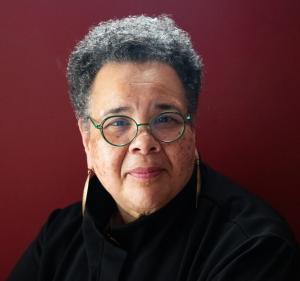
The learning curve was steep. Even after six years, I am still learning. In 2019, I went from twenty-plus years as a faculty person who flourished in the graduate school classroom to directing the Wabash Center. Before my faculty membership, I was on the staff of a large church, I worked as a community organizer and professional gardener. Intermittently, I worked as a consultant. While on faculty, I enriched my scholarly portfolio by managing small, medium and large grant projects. Even with all my previous experience, this first attempt at being in the C-suite is a huge challenge. Executive leadership is a new role, a new language, a new responsibility. I can report—without hesitation—that executive leadership is not for the faint of heart. In this digital age, with the ripening of AI, with major advancements in all sectors of the global marketplace, executive leaders have got to ask significant questions that prompt new kinds of discussions with new discussion partners. The changed and changing world demands new approaches. New questions design new approaches. Recently, I hosted a group who attended SOCAP 25. The annual conference meets to discuss the critical relationship between capital, culture, and imagination in institutional transformation. There is an emphasis upon global problem solving and ways to develop new approaches for healing, restoration, more equity, and collective care. The conference was attended by venture capitalists, AI experts, philanthropic agencies, international education projects, medical technology leaders, and Wabash Center participants. The conference began with the proclamation that leaders must be concerned about engaging in the problems that are worth our resources (e.g., capital, time, talents, spirit, etc.). I was reminded that so many college, university and seminary leaders report spending time primarily “putting out fires.” By their report, too often their time is spent “dealing with minutia.” Tasked to navigate meager resources for outdated obligations, outmoded work patterns inside recalcitrant structures. The conversation at the conference reified what I already know to be true - we need the new! We must ask ourselves new questions, have new conversations with new conversation partners! Our future will depend upon our leaders’ abilities to imagine what has never been then construct that reality. What if a key to impactful educational leadership, finding new solutions, new imaginations, new ways of building is by asking new questions? And what if colleagues in other fields are also asking and answering those questions – what new partnerships might be forged? During the three-day conference I took note of and collected the questions the wide variety of speakers said were their north star. In obvious and not so obvious ways, all the presenters divulged the question that their companies and enterprises were pursuing a hopeful future. Sometimes other people’s questions can assist us with our own leadership obligations. Here are the main questions I harvested: What is executive leadership into the future? What are the unmapped and startling roles and responsibilities? What is the preparation and training? What is the prerequisite? What durable skills must leaders possess? Given that most leadership careers will have multiple iterations in the workplace, what experiences prepare people for the many iterations?What are the meta-skills needed for effective leadership?How does one hone the mindsets of: (a) agency, (b) creativity, (c) building (creating), (d) flexibility and adaptability, and (e) managing complexity? What does it mean to manage personal emotional intelligence and nurture emotional intelligence in your team?What AI technologies will need to be added to your repertoire? What AI coaching do you need? What AI do you need to be aware of without learning in-depth? What technologies develop creativity and foster wonder? What about the ancient technologies of story, song, kinships, and relationships?Given that most leaders possess multiple skills advantageous to employers, what does it take to imagine yourself in a variety of kinds of jobs and how will you communicate your skills, knowledge base, and assets to many kinds of employers?What does it mean that we do not know how adults learn? (There is much study of children and adolescents’ ways of learning with little scholarship on how adults learn.) How do you learn? How do you learn to learn better, faster, with more agility? What does it mean to have keen awareness of the ways one learns? Who teaches adults how to learn? What if leaders’ primary task is to ensure new learning by their team? What if success is not transactional, but deeply communal? To which community’s success is your future tied (locally, regionally, nationally, internationally, religiously, spiritually, politically?)As we lead into the future – what do we leave behind and what do we take with us?What will it take to push past our own discomfort, entitlement and fear? What “moon shot,” i.e. bold gesture, will your company take toward the future?In these questions I hear some reassurances. As an executive leader, I have been asking and engaging in some of these questions. Likewise, the list has new questions for me. There are questions on the list that I did not know to ask or pursue. I am glad to have these new questions, and I hope they spark new insights, needed possibilities, and previously unconsidered potentials for and beyond the Wabash Center. For ReflectionReflect upon your habit and practice of asking questions in search of new approaches. Who is your conversation partner for the meta-questions? As you attempt a large-scale shift in the approach of education in your context, to what kind of reality are you trying to shift and shape? What other industry is shaping the same or similar reality? From the above list – select the question that feels “foreign” or “uncomfortable” and take a deep dive into answering it for your context. For presidents, provosts, deans, department heads, and project managers – what would it mean for you to locate and participate in a conversation with experts in fields you are unacquainted with but interested in? How might that experience and exposure to the wider world provide you with new insights, perspectives, and possibilities?