Resources
You know the feeling.You have watched your students survive it. You have survived it yourself, many times. It is that shift from knowing to not knowing; from confidence to uncertainty; from expert to novice.Learning so often begins with a jolt of disorientation. It is uncomfortable. It can be exhausting. Over time, with patience and willingness, that discomfort usually gives way to new learning, relearning, even transformation.If you have ever wondered whether your body is part of the learning process, think back to how your body responds when you face something truly new: the queasiness, the sense of being under attack, the way fear can freeze you in place. For many of us, our bodies announce the loss of old truths long before our minds catch up. Disenfranchisement, feeling misplaced, confusion—these are not just ideas. They live in our muscles and our breathing.The disorientation of learning can be severe.I have come to believe that this disorientation is a signal. It tells us that we are entering a space of possibility, wonder, and generativity. That uneasy feeling is a sign that we are exactly where we are supposed to be. Pay attention to the breakthroughs when they come—because they do come.The most sensitive teachers stay in touch with what it feels like to be a learner.Some students greet new learning—or the loss of old knowing—with resistance, refusal, distrust, anger, or deep skepticism. Sympathetic teachers remember what it is like to move from being a competent, confident adult with swagger to feeling like an uncertain beginner, without the vocabulary to join the conversation. Learning can be emotional and unsettling. It can feel grief-stricken, like a small death of who we thought we were.I hold deep respect for adults who decide to learn new things. Those who dare to pursue degrees, learn new software, or tackle baking bread from scratch are risk-takers. I admire risk-takers, dreamers, disruptors.Stepping into classrooms, reading substantial books, participating in weighty discussions, exploring new worldviews, and encountering unfamiliar cultural knowledges—complete with assignments, deadlines, and grades—places learners in terrain marked by misunderstanding, uncertainty, surrender. These are not small shifts. They are life-altering, identity-reforming changes.Many students begin their studies assuming that coursework will affirm what they already know. Instead, they discover that genuine learning asks us to move from knowing to unknowing to new knowing. Few adults are prepared for this destabilizing journey.Deep study challenges what we assumed was settled and agreed upon. That cognitive dissonance is both disruptive and life-giving. Learning can be powerful.We need teachers who recognize how difficult learning is and who sympathize with their students, even as they gently invite them to lean into the formation of a reordered identity.Think about learning to ride a bicycle or surf a wave or drive a car. Fear was high and ability was low. What helped you push through was knowing that others had learned before you. You wobbled. You fell. You practiced—again and again—just to gain a small measure of proficiency. You strengthened your determination. And when the new skills finally took root, your confidence returned. Your swagger came back.Over the years, I learned to notice when my students’ swagger disappeared and disorientation set in. I watched their breathing in class. By mid-semester, their breath usually slowed; their bodies relaxed. I listened to how they used new vocabulary and interacted with unfamiliar concepts. By mid-semester, many of them were incorporating new words into their conversations—sometimes tentatively, sometimes playfully.I became a cheerleader for their attempts, even the unsuccessful ones. I designed assignments that did not assume students already knew what they had come to my class to learn. I created learning activities that acknowledged struggle and disorientation, then coaxed students toward deeper, richer, more flexible knowing. I learned to honor and even celebrate confusion as part of the process.The best teachers cultivate a desire to learn and build spaces for community. New learning is best done not in isolation but together.Do not be alone when confusion gives way to reorientation. Surround yourself—and your students—with people who will not be embarrassed or shamed, who will not humiliate others for not already knowing. The heart is too tender in the midst of learning to bear ridicule or blame.Classrooms need clear rules of engagement that foster community, make room for mistakes, and celebrate the courage it takes to learn.Making space for students to imagine new ways of living through engagement with new knowledges is both daunting and exhilarating. It is risky work. And it is worth it.Happy New Year!
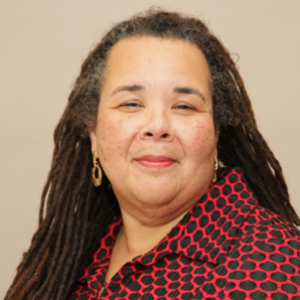
Nancy Lynne Westfield Associate Professor of Religious Education Drew Theological School Please indulge this low-grade rant. I believe the notion of “safe space” in adult classrooms is un-interrogated and oversubscribed. The question is … Safe for whom? Well-intentioned teachers, in wanting students to attempt deep conversation, wrongly presume adult students..