How is your medicine utilized in your teaching?
I’m no medical doctor, but I figure that any medicine that imposes on the body and does not work with the body will ultimately cause more harm than good. Our bodies are brilliant, and they point toward life. If they wanted to kill us, well, we’d be dead. But our bodies are keeping us alive in ways we can and cannot name.
I think this is the same with teaching. Our students come to us with worlds of brilliance. Their ideas are keeping those worlds alive in ways they can and cannot name. My job as an educator is not to impose on them. My job is to help them be aware of that brilliance and share it with others. This may mean reintroducing educational nutrients they may be deficient in. Or removing toxic ideologies that cause harm and hinder learning.
It’s weird, though. Sometimes I think I’ve been trained to be radiation, and that my students’ curiosity and self-worth are some kind of cancer that I must kill. Or, I’m trained to be insulin that’s priced out of the market. You need this, but can’t afford it. Or maybe I’ve been trained to be something like Ozempic; meant to teach and treat the heart, but utilized as a way to look good for others.
In many ways, we are training our students to be aides in the healing process of others. Whether that is by being a spiritual guide, or working at a nonprofit that helps bring in resources, or creating art that brings healing. And as comforting as that may be, we all (us and students included) are working to be healing in the midst of needing our own. I often think of how this process connects with our teaching. Allow me to share a couple of metaphors that help me.
Tell me what ails you: Doctors may know a lot, but they don’t know everything. I have never met a doctor who could look at me and instantly tell me what is wrong (although, as a plus-sized Black woman, I’ve had more than enough doctors try). Doctors hold both a wealth of knowledge and access to more resources that aid that knowledge. Despite this, part of the diagnosis must include what the patient can articulate about what ails them. It is in the conversation between doctor and patient that a diagnosis is determined. I think this is also similar to teaching. As educators, we have a wealth of knowledge and access to resources. But it is when we can cultivate a learning environment where students can articulate their educational needs, histories, and discoveries that together we can create the kinds of learning environments where students can grow.
There is no such thing as a magic pill, although I wish there were. Too often, pop culture medicine influencers, businesses, and the like are trying to find the one thing that will cure all that ails us. But no matter how powerful a supplement or pill is, there is no one thing that cures us. Our healing requires (and deserves) an ecosystem of help. Yes, it may include traditional forms of medicine. But it also includes natural remedies like exercise, play, meditation, less stress, eradication of systems of oppression, and laughter. Similarly, teaching requires more than just readings, lectures, papers, and tests. It requires us to understand how our pedagogical tools are part of an educational ecosystem that includes our students’ lives, communities, play, funding, and yes, the eradication of systems of oppression, and laughter.
You know, I think I want to be an herb. Found in nature, praised by the weirdos who know what’s up. Hated by the institutions because I’m hard to sell. Treatment with me takes too long, mostly because I’m not poison. Poison is efficient. I want to teach the way herbs heal. Drink this. Yes, it tastes funny. No, you don’t know what it is doing. But it is helping you be more of who you were meant to be. It’s not conventional, but learning isn’t either.
What about you? If your teaching were medicine, what would it be?
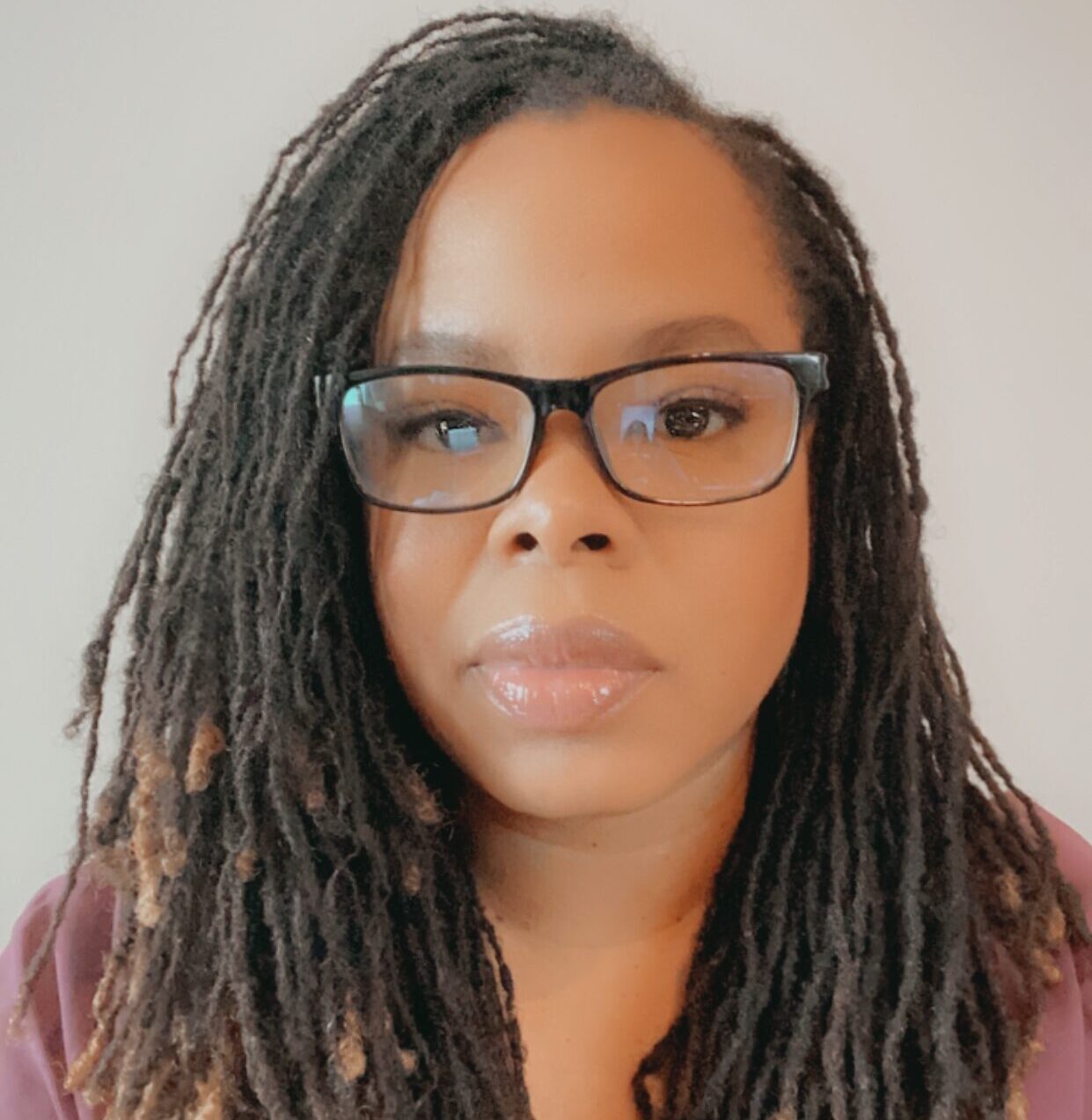
About Tamisha A. Tyler
Tamisha A. Tyler (she/her/hers) is a Visiting Assistant Professor of Theology and Culture, and Theopoetics at Bethany Theological Seminary in Richmond, Indiana. Her research interests include Theopoetics, Theology and the arts, Afrofuturism, Black popular culture, and Science Fiction. She is part of the Level Ground artist collective in Los Angeles, CA and her work can be seen in Feminism in Religion’s blog, and Fuller Magazine. Her latest project explores religion in the literary world of Octavia Butler. When not working, she enjoys good food and good friends, karaoke, and travel. Dr. Tyler currently resides in Pasadena CA.