Home » Resources » Scholarship on Teaching » The Learning Self: Understanding the Potential for Transformation
Scholarship
March 29, 2017
The Learning Self: Understanding the Potential for Transformation
- Author
- Tennant, Mark
- Publisher
- Jossey-Bass, San Francisco, CA
- ISBN
- 9780470393369
- Table of Contents
-
Preface
About the Author
ch. 1 Introduction
ch. 2 The Authentic or Real Self
ch. 3 The Autonomous Self
ch. 4 The Repressed Self
ch. 5 The Socially Constructed Self
ch. 6 The Storied Self
ch. 7 Knowing Oneself
ch. 8 Controlling Oneself
ch. 9 Caring for Oneself
ch. 10 (Re)creating Oneself
References
Index
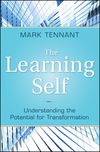
This new book from the award-winning author of Psychology and Adult Learning puts the spotlight on the kind of learning that brings about significant personal change. Tennant explores the techniques, processes, and practices educators can use to promote learning that leads to change and examines assumptions about self and identity, how we are formed, and our capacity for change.
Throughout the book, Tennant posits that individuals can be agents in their own self-formation and change by understanding and acting on the circumstances and forces that surround and shape them. Educators, he argues, must be open to different theoretical ideas and practices while simultaneously valuing these practices and viewing them with a critical eye.
The book aims to:
• promote, among educators and others with an educational dimension to their work, a more critical approach to their learning designs and practices;
• equip individuals with a framework for understanding and being agents of their own self-formation and change.
Throughout the book, Tennant posits that individuals can be agents in their own self-formation and change by understanding and acting on the circumstances and forces that surround and shape them. Educators, he argues, must be open to different theoretical ideas and practices while simultaneously valuing these practices and viewing them with a critical eye.
The book aims to:
• promote, among educators and others with an educational dimension to their work, a more critical approach to their learning designs and practices;
• equip individuals with a framework for understanding and being agents of their own self-formation and change.