Teaching Is a Long Becoming
Nancy Lynne Westfield, Ph.D., The Wabash Center for Teaching and Learning in Theology and Religion
Teaching always begins inside time, never outside of it. Our metric of time is typically semesters. Our own learning as teachers, as well as our students’ learning of the subject matter, unfolds unevenly throughout those semesters. Classrooms reveal what cannot be rushed: trust, the formation of community, courage, compassion. In our impatience, we might try to hurry. We rush our own teaching. We attempt to hasten our students’ learning and they bear the cost of this hurry. Our students deserve teaching shaped by who we are becoming, not just by what we know.
Knowledge does not rush toward us; she waits to be welcomed and courted. She is fickle, demanding, and unpredictable. Deep learning—engagement with new knowledge—asks that we sit with confusion, love the question, and linger with one another, sometimes for a long time. That which matters most resists efficiency, cannot be downloaded, and belongs as much to our hearts and imaginations as to our minds. Knowing emerges through struggle, care, and communal accountability. Insights arise from misunderstanding, silence, discomfort, and a willingness to think new thoughts about old things. Insights are sparse. It takes time to learn to teach in ways that allow students to still themselves while their questions mature and their insights settle. Teaching as relational, improvisational, and unfinished is the more difficult pedagogy.
Good teaching is not a skill we acquire, but a self we grow into—and that takes time. Sometimes it takes a lifetime.
In the early years of teaching, we arrive eager, hopeful, afraid, novices in the enterprise. If we stay attentive, by mid-career we discover that teaching requires missteps, revisions, and reckonings. We learn to reject myths of mastery and instant competence. If we are lucky, the certainty of our early years gives way to humility and compassion. We come to understand that mistakes—even the big ones—are not detours but essential curriculum for improved teaching. If we are brave, and if we stay present to our craft, we allow ourselves to be reshaped, reformed, and profoundly changed, even as we are tasked with shaping others. By late career, we might become decent teachers. Teaching is a long becoming.
Deep learning refuses hurry. Here lies the distraction of teaching by semesters: learning never appears on schedule. Transformation often arrives after evaluation periods close, after grades are recorded, after the final exam. Good teaching—slow teaching—requires faith in delayed understanding. We must reckon with the truth that good pedagogy attends to trajectories, not prescribed outcomes.
Better teachers know that teaching is an act of collective endurance.
In learning to teach slowly, perhaps we must refuse the lie that we are behind or late. The illusion of urgency keeps us absorbed and agitated. Slow is not late. Remember that survival itself is a long lesson. Just as important, refuse despair when progress is not visible. We must cultivate within ourselves a slow hope. Most of all, stay with the work long enough to be changed.
Reflection
- What would it mean to reduce the habits and practices that rush your teaching and your students’ learning? For example, what role does impatience play in your preparation and classroom demeanor?
- What habits or practices might you need to unlearn—or relearn—to grow your awareness of becoming a teacher over time?
- How might you take account of and celebrate the growth and maturity you have already accomplished as a teacher?
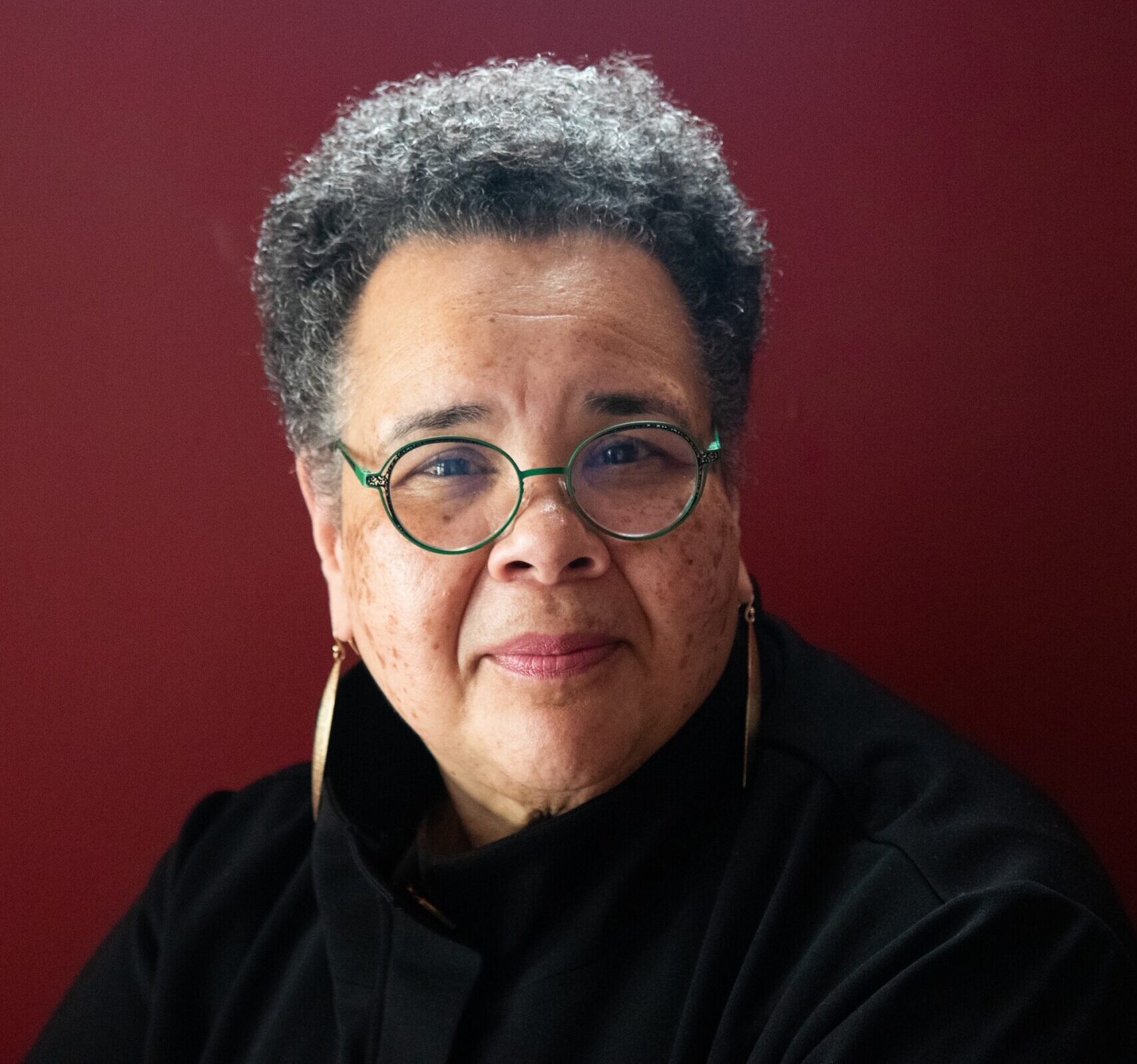
About Nancy Lynne Westfield, Ph.D.
Nancy Lynne Westfield, Ph.D. is a womanist. She grew up in Philadelphia, Pennsylvania. Her father, Lloyd Raymond Westfield, born in Cleveland, Tennessee, was a school psychologist and reading specialist for the Philadelphia Public School District. Her mother, Nancy Bullock Westfield, also born in Cleveland, Tennessee, was a volunteer activist who fought for equal education for minoritized children. Father and Mother were also gifted musicians, known throughout the city of Philadelphia in the 50s, 60s and 70s. Dr. Westfield earned her Bachelor of Science degree in Agriculture from Murray State University, Masters of Arts in Christian Education from Scarritt Graduate School, second Masters in Theological Studies from Drew University Theological School, and Doctorate in Philosophy from Union Institute. Currently, she is Director of the Wabash Center for Teaching and Learning in Religion and Theology. Before becoming the Director in 2020, she was Professor of Religious Education at Drew University Theological School since 1999. She is also an ordained Deacon in the United Methodist Church. Nancy’s first book was a children’s book entitled All Quite Beautiful: Living in a Multicultural Society. Her second book was a publishing of her doctoral dissertation entitled Dear Sisters: A Womanist Practice of Hospitality. Her books written in collaboration include: Being Black/Teaching Black: Politics and Pedagogy in Religious Studies and Black Church Studies: An Introduction. Known for her insightful, creative and experiential teaching methods, she is a sought-after teacher, facilitator of workshops and retreats, keynote speaker at conferences, and consultant for seminaries, non-profits and local churches.