How I Spend My Days: A Life Drawn in Ink
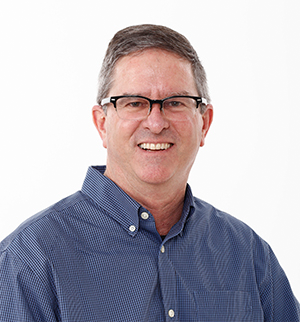
Since my last post, life has changed in ways I never imagined: a divorce, a move from Indiana to California, and the start of an entirely new rhythm. I’m still drawing every day, but my focus has widened. I write, I cook, I apply for jobs, I manage household logistics. The life I imagined during my sabbatical—long, uninterrupted studio days—has given way to something messier and, in its own way, more honest.
 |
Mornings usually start with writing. I work on essays for my two ongoing blogs: Aspie Art Journey, where I write about life as an artist with Asperger’s and how that lens shapes my perspective on the world; and Dating App Diaries, which chronicles the equally unpredictable world of human connection. Both projects grew out of the same instinct that drives my drawings: to observe closely, reflect honestly, and keep creating even when life doesn’t line up neatly.
When the writing slows, I move on to practical things—job applications, phone calls, the endless details of caregiving, and keeping a household running. It’s not glamorous, but it’s part of the work. I’ve started to see these moments—cooking for my parents, cleaning, organizing supplies—as an extension of art-making. They’re grounded, rhythmic, physical. The same kind of attention that steadies my line work can also steady the rest of my life.
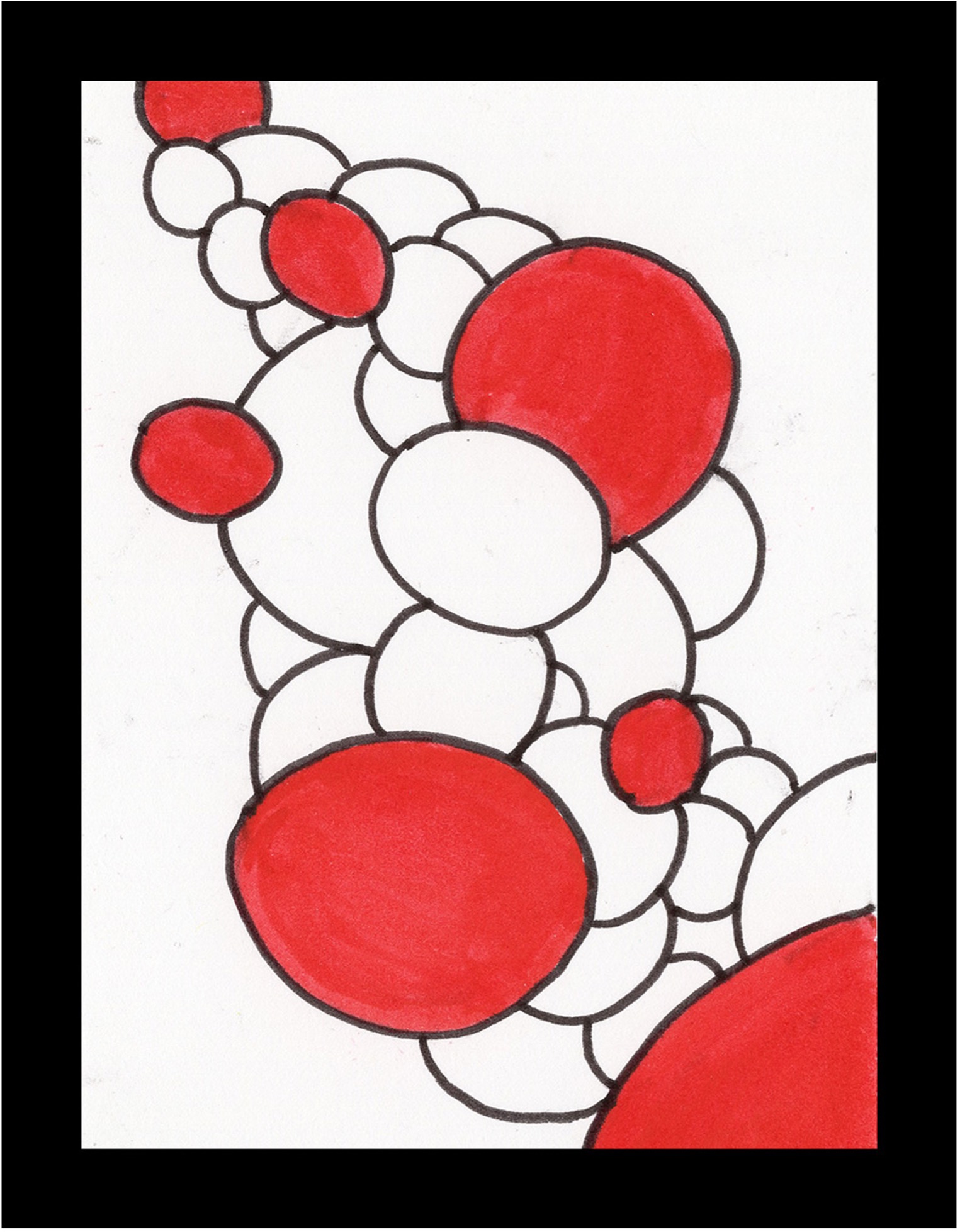 |
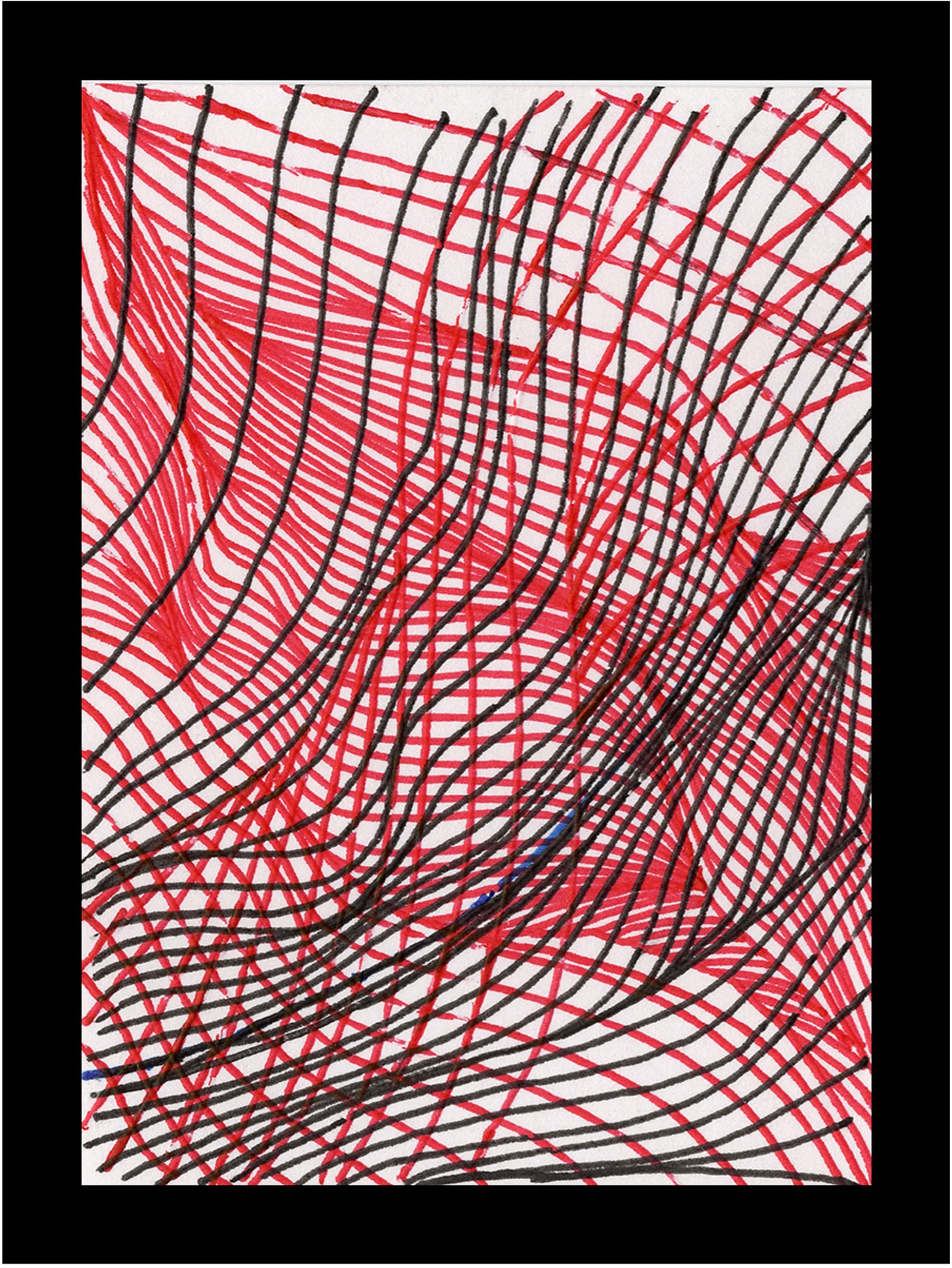
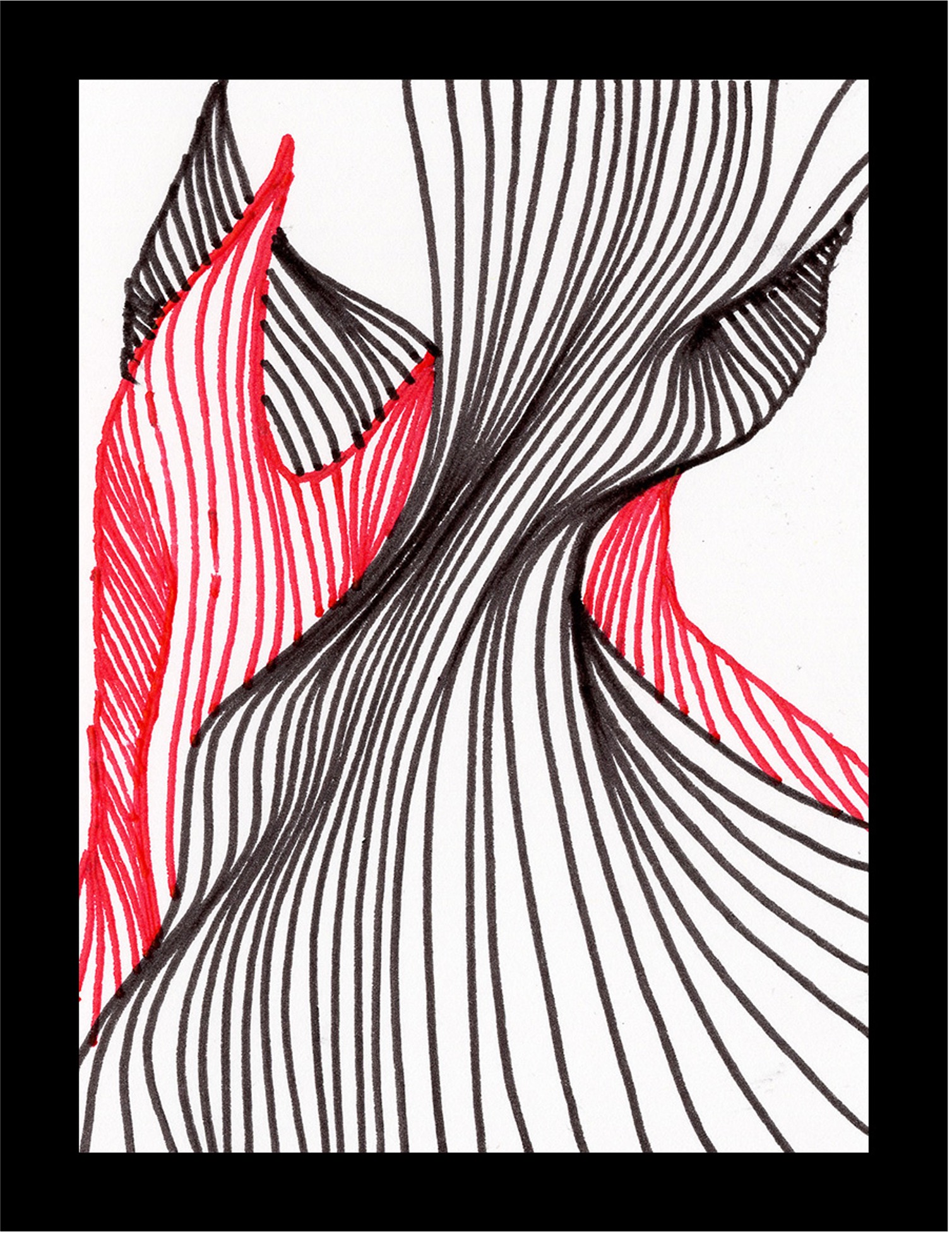
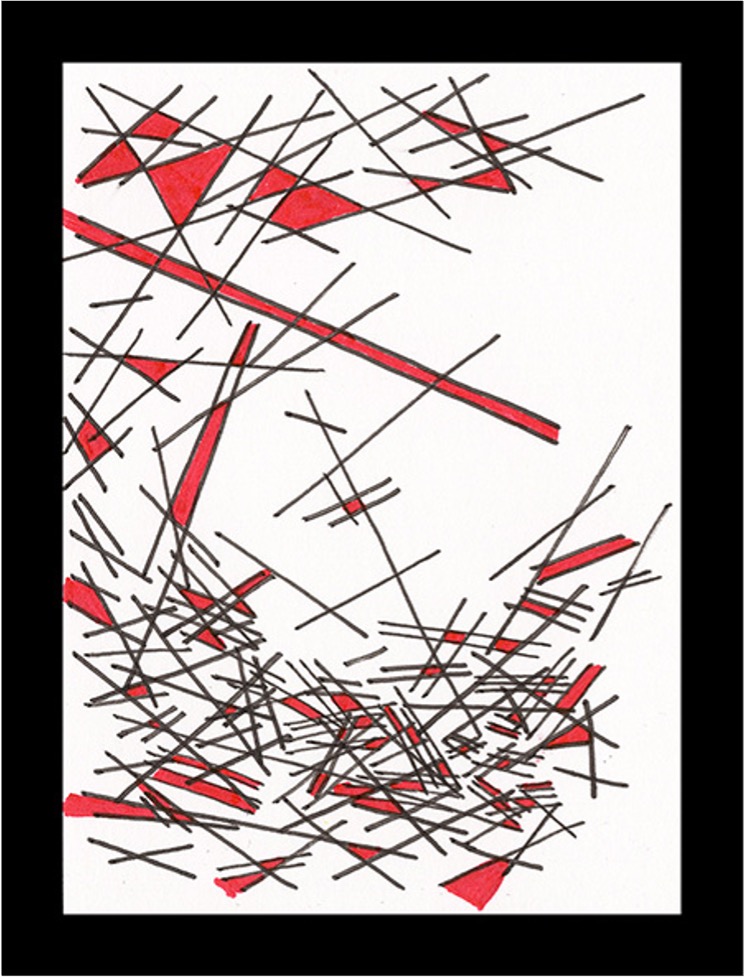
Late afternoons are for drawing, even if only for an hour or so. My large-format days are on hold for now; most of my recent work consists of small 2½ × 3½-inch ink drawings. The pens I used for years finally clogged, so I’m experimenting with new colors and tools. I enjoy the challenge of small-scale pieces—they require precision and focus without the demands of long hours. They also fit perfectly with a new project I’m planning: a Patreon that will feature these drawings as part of a monthly subscription. Alongside them, I’m sketching designs for a new 4×6 linocut print series. Both ideas bring me back to the tactile side of creativity—the ink, the carving, the test prints, the final prints, and the repetition of making something by hand.
 |
Evenings are when I reconnect with the spirit behind all this: podcasts about functional medicine, the intersections of Buddhist meditation and neuropsychology, or Spanish language lessons. I also read, yet rarely finish a single book before starting others. Sometimes I draw to music; sometimes I just look at what I made that day and think about how it fits into the larger story of my life. That’s when my mind drifts to Lines on the Spectrum, my illustrated memoir, or to the online course I’m developing, “Art as Spiritual Practice.” The course explores the same process I go through daily: using creativity to stay present, grounded, and aware. It’s designed primarily for non-artists, hobbyists, and anyone who feels a pull toward new, transformative experiences, even if they’ve never called themselves creative.
 |
Anyone can become more creative despite the oft-repeated refrain, “I’m not an artist; I have no talent.” The course combines practical exercises with a rigorous examination of terms such as artist and spiritual, a concept that is hotly debated among scholars of religion. The course is a hybrid, combining experiential and reflective elements. Participants practice art-making to encounter transformation firsthand, while also engaging the critical study of language, meaning, and presence.
I now see that what I loved most about teaching—the chance to help others notice, pause, and see differently—still guides my days. I just do it now with ink, words, and color instead of “lectures” and syllabi. Art remains my way of thinking about meaning and presence, except now I practice it one small act of attention at a time, line by line, word by word.
About Jeffrey M. Brackett
Jeff Brackett is a former professor of religious studies who now works full-time as an artist and writer. His current projects include Aspie Art Journey, Dating App Diaries, an illustrated memoir titled Lines on the Spectrum, and a forthcoming online course called Art as Spiritual Practice.